
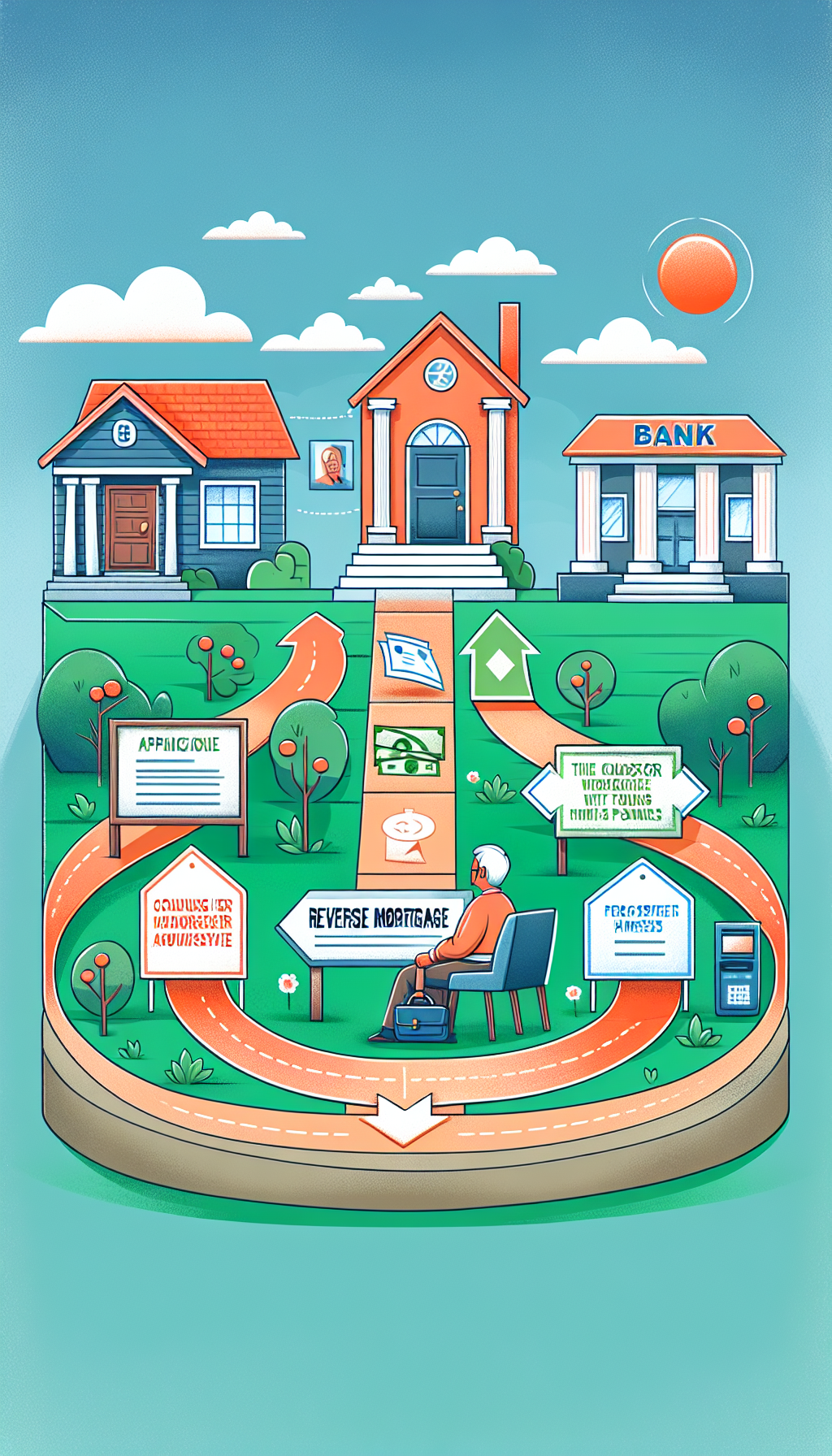
Understanding Reverse Mortgages
A reverse mortgage is a financial product designed primarily for older homeowners, allowing them to convert a portion of their home equity into cash without having to sell their home. Unlike a traditional mortgage, where the borrower makes monthly payments to the lender, in a reverse mortgage, the lender pays the homeowner. This arrangement can provide additional income during retirement, helping to cover living expenses, healthcare costs, or other financial needs.
Eligibility Requirements
To qualify for a reverse mortgage, homeowners must typically be at least 62 years old. They must also own their home outright or have a low mortgage balance that can be paid off with the proceeds from the reverse mortgage. Additionally, the home must be the borrower’s primary residence, and homeowners must demonstrate the ability to maintain the property and pay property taxes, homeowners insurance, and any homeowners association fees. These requirements ensure that the borrower is financially capable of handling ongoing homeownership responsibilities.
How Reverse Mortgages Work
The process of obtaining a reverse mortgage begins with an application, similar to that of a traditional mortgage. The homeowner must also undergo counseling with a HUD-approved housing counselor to ensure that they understand the terms and implications of the loan. Once approved, the lender will assess the home’s value, which significantly affects the amount of equity that can be converted into cash.
The homeowner can choose how to receive their funds: as a lump sum, monthly payments, or a line of credit. The loan amount is based on several factors, including the homeowner’s age, the home’s appraised value, and current interest rates. Importantly, homeowners retain the title to their property and are not required to make monthly mortgage payments, although they must continue to pay property-related expenses.
Repayment Terms
Repayment of a reverse mortgage occurs when the homeowner sells the home, moves out, or passes away. At that point, the loan balance, which includes the amount borrowed plus accrued interest and fees, becomes due. If the loan balance exceeds the home’s value, the homeowner or their heirs will not be responsible for the difference, thanks to the non-recourse feature of reverse mortgages. This means that the lender can only claim the home, not other assets of the borrower or their estate.
Advantages of Reverse Mortgages
One of the primary advantages of a reverse mortgage is that it provides access to cash without requiring monthly repayments, which can be particularly beneficial for retirees on fixed incomes. It can help cover essential expenses, medical bills, or even home renovations. Moreover, since the homeowner retains the title to the property, they can continue to live in their home for as long as they meet the loan obligations.
Another advantage is the potential for increased financial flexibility. Homeowners can use the funds in various ways, such as paying off existing debts, investing in other assets, or simply enjoying a better quality of life during retirement.
Considerations and Risks
While reverse mortgages can be beneficial, they are not without risks. One of the main concerns is that they can reduce the amount of equity available to heirs, which may impact estate planning. Additionally, homeowners must stay current on property taxes and insurance; failure to do so can lead to foreclosure.
Moreover, the costs associated with reverse mortgages can be significant, including origination fees, mortgage insurance premiums, and closing costs. It is crucial for potential borrowers to fully understand these costs and how they will affect their financial situation in the long run.
Conclusion
A reverse mortgage can be a useful financial tool for seniors looking to access their home equity without the burden of monthly payments. However, it’s essential to thoroughly research and understand the implications, costs, and obligations involved. Consulting with a financial advisor or HUD-approved counselor can provide valuable insights and help homeowners make informed decisions. As with any financial product, weighing the pros and cons will enable individuals to determine if a reverse mortgage is the right choice for their retirement planning.