
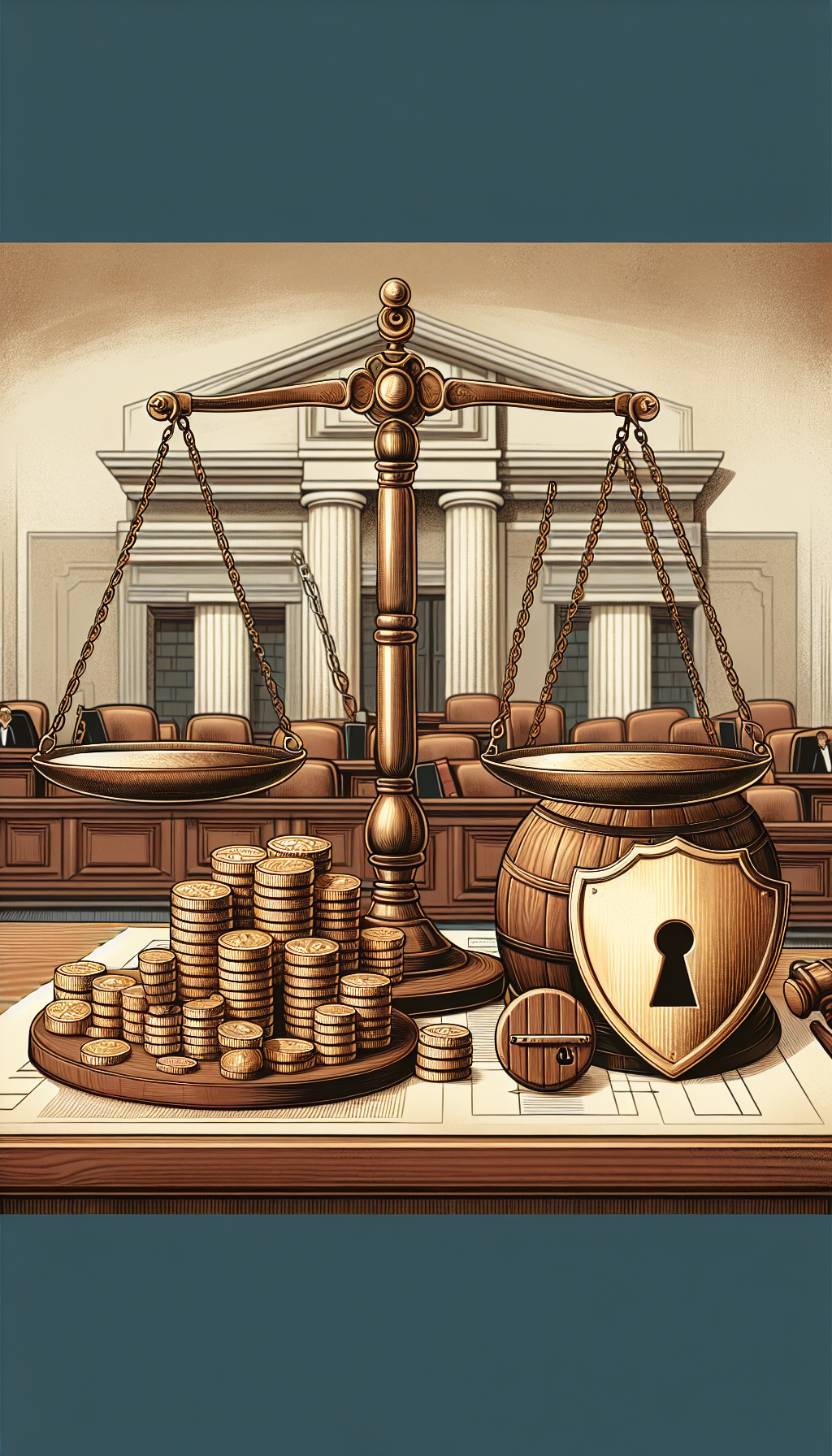
Understanding Reverse Mortgages
Reverse mortgages are financial products designed primarily for homeowners aged 62 and older, allowing them to convert a portion of their home equity into cash. Unlike traditional mortgages, where a homeowner makes monthly payments to a lender, a reverse mortgage allows homeowners to receive payments from the lender. The loan is repaid only when the homeowner sells the house, moves out, or passes away. This unique financial tool can offer significant benefits, but it also comes with complexities and risks that necessitate a clear understanding of the regulations and protections in place.
Regulatory Framework
The reverse mortgage industry is governed by various federal and state regulations, primarily to protect consumers and ensure that lenders operate fairly. The Federal Housing Administration (FHA) plays a crucial role by insuring Home Equity Conversion Mortgages (HECMs), the most common type of reverse mortgage. To qualify for HECMs, borrowers must meet specific criteria, including age, homeownership, and financial assessment. The FHA’s involvement provides a safeguard for both lenders and borrowers, promoting responsible lending practices.
Additionally, the Consumer Financial Protection Bureau (CFPB) oversees the reverse mortgage market, ensuring that borrowers receive clear and accurate information about their loans. The CFPB mandates that lenders provide comprehensive disclosures, including the costs, risks, and implications of taking out a reverse mortgage. This regulatory oversight is essential in helping potential borrowers make informed decisions.
Consumer Protections
Consumer protections in the reverse mortgage sector are designed to mitigate risks associated with these loans. One of the most significant protections is the requirement for mandatory counseling. Before a borrower can proceed with a reverse mortgage application, they must undergo counseling with a HUD-approved counselor. This session helps borrowers understand their options, the loan process, and the potential impact on their financial situation and heirs.
Another critical protection is the “non-recourse” feature of reverse mortgages. This means that borrowers or their heirs will never owe more than the home’s value at the time the loan is repaid, even if the loan balance exceeds that amount. This provision safeguards borrowers from losing their homes due to falling property values or rising loan balances.
Potential Risks and Challenges
Despite the regulatory framework and consumer protections, reverse mortgages are not without their risks. One of the primary concerns is the potential for borrowers to outlive their loan proceeds. As borrowers access equity in their homes, they may deplete their funds over time, leaving them financially vulnerable later in life. Moreover, failure to meet the obligations of the loan, such as paying property taxes, homeowners insurance, and maintaining the home, can lead to foreclosure.
Another challenge is the misconception surrounding the impact of reverse mortgages on heirs. Many potential borrowers worry that their children will inherit a burden of debt. While the non-recourse feature alleviates some of these concerns, heirs may still face challenges if they wish to keep the home. Often, they may need to refinance the reverse mortgage or sell the home to pay off the loan balance.
Conclusion
Reverse mortgages can be valuable financial tools for seniors seeking to access their home equity, but understanding the regulations and protections in place is crucial. While the regulatory framework, including FHA insurance and CFPB oversight, helps ensure a level of safety for borrowers, potential risks remain. It is essential for homeowners to conduct thorough research, seek professional advice, and engage in counseling to make informed decisions about reverse mortgages. By doing so, they can maximize the benefits while minimizing the risks associated with these complex financial products.