
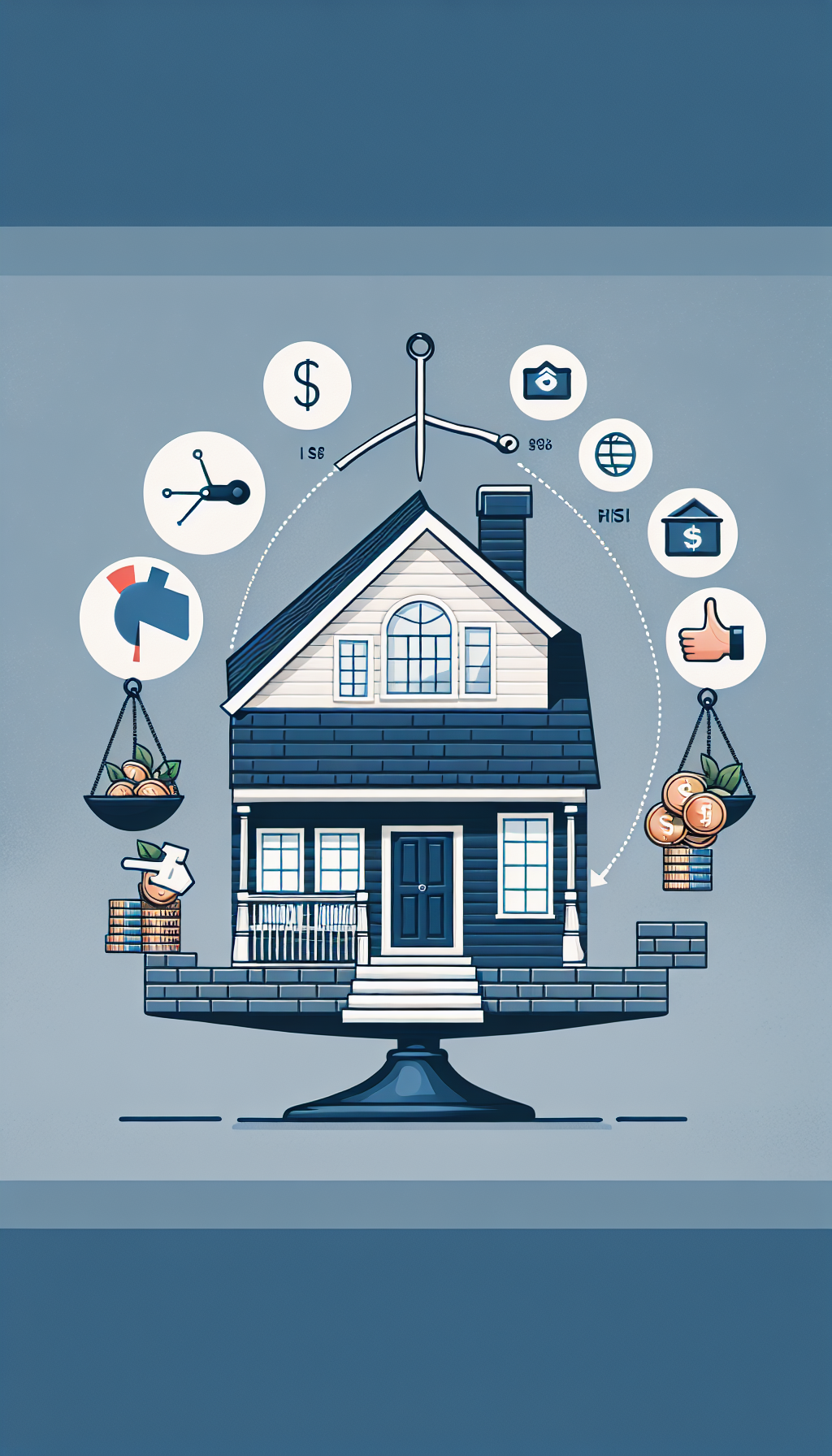
Assessing Your Home Equity: Is a Reverse Mortgage Worth It?
Understanding Home Equity
Home equity is the portion of your home’s value that you own outright. It is calculated by taking the current market value of your home and subtracting any remaining mortgage balance. As homeowners make mortgage payments and as property values appreciate, their equity tends to grow. This equity can be a valuable financial resource, especially for retirees looking to supplement their income. One option to access this equity is through a reverse mortgage.
What is a Reverse Mortgage?
A reverse mortgage is a financial product that allows homeowners, typically aged 62 and older, to convert part of their home equity into cash. Instead of making monthly mortgage payments, homeowners receive payments from the lender, either as a lump sum, monthly installments, or a line of credit. The loan is repaid when the borrower sells the home, moves out, or passes away. While this can provide much-needed funds for retirees, it’s essential to understand the implications and costs associated with reverse mortgages.
Evaluating the Benefits
One of the primary benefits of a reverse mortgage is the ability to tap into home equity without the need to sell the home. This can be particularly useful for retirees who may have fixed incomes and require additional funds for healthcare, home repairs, or daily living expenses. Additionally, because homeowners are not required to make monthly payments, they can preserve their cash flow for other essential needs. Furthermore, the funds received from a reverse mortgage are generally tax-free, adding to their appeal for many retirees.
Understanding the Costs
While reverse mortgages can provide financial benefits, they also come with significant costs that need to be considered. These costs can include origination fees, closing costs, and mortgage insurance premiums. The total cost may accumulate over time, as interest on the loan increases the amount owed. Homeowners should also be aware that since the loan is repaid when they sell the home or pass away, it can lead to reduced inheritance for heirs. It’s crucial for homeowners to weigh these costs against the benefits to determine if a reverse mortgage is the right choice for their financial situation.
Assessing Your Financial Needs
Before deciding on a reverse mortgage, it is vital to assess your overall financial situation and needs. Consider your current expenses, income sources, and any future financial goals. If your primary goal is to stay in your home and maintain a certain standard of living during retirement, a reverse mortgage may be an appropriate solution. However, if you have other options for accessing funds, such as selling the home or downsizing, these alternatives should also be evaluated.
Consulting with Professionals
Given the complexities associated with reverse mortgages, consulting with financial advisors or housing counselors is advisable. They can provide insights into the implications of taking out a reverse mortgage and help homeowners make informed decisions based on their unique circumstances. Additionally, understanding the terms of the reverse mortgage and the responsibilities that come with it is essential to avoid potential pitfalls.
Conclusion: Making an Informed Decision
Assessing your home equity and determining whether a reverse mortgage is worth it involves careful consideration of your financial needs, the benefits and costs of the product, and available alternatives. While a reverse mortgage can provide financial relief for many retirees, it is crucial to approach this decision with caution. By understanding the implications and seeking professional guidance, homeowners can make informed choices that align with their long-term financial goals.