
Understanding Reverse Mortgages
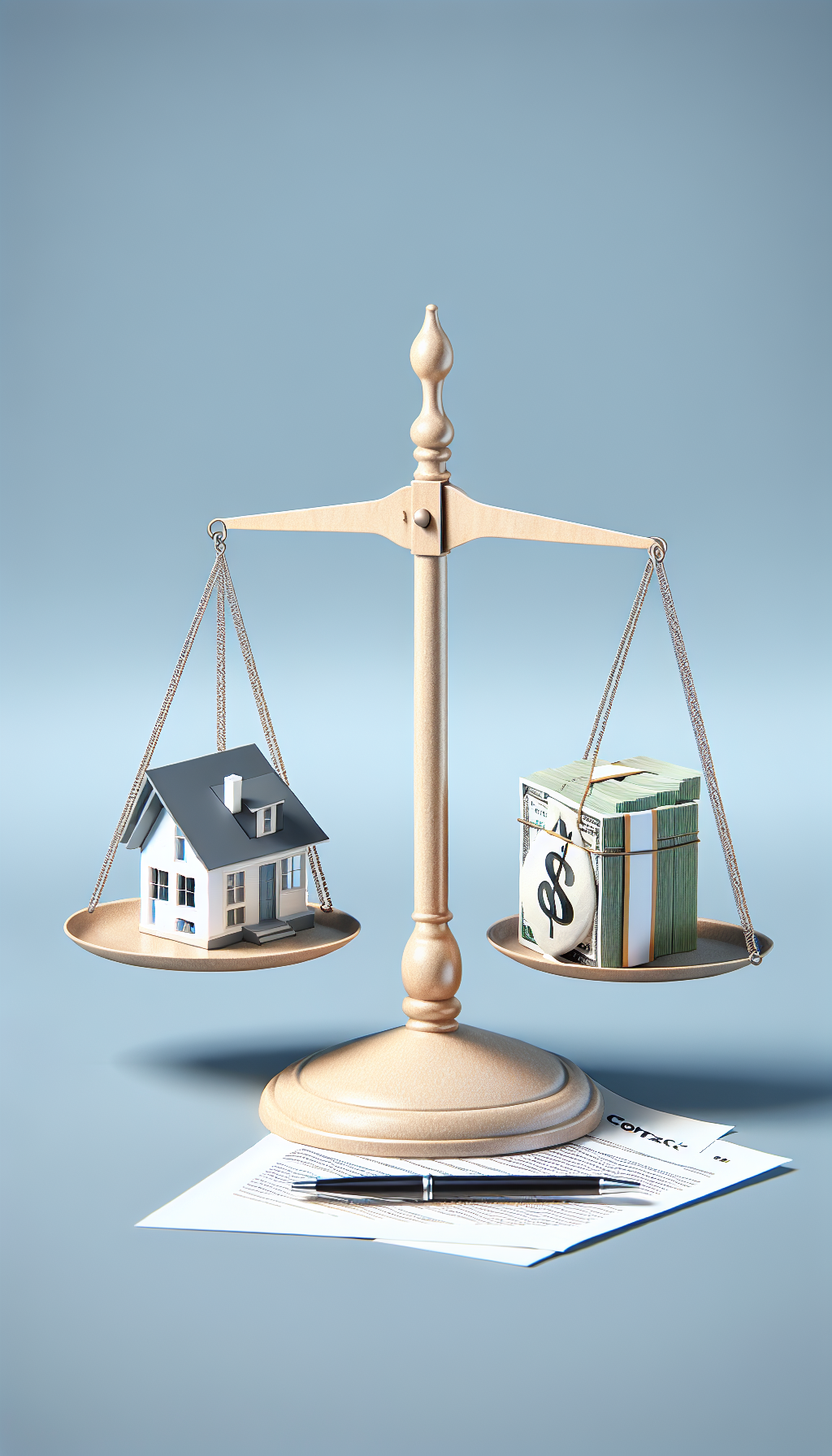
A reverse mortgage is a financial product designed primarily for homeowners aged 62 and older, allowing them to convert part of their home equity into cash. Unlike a traditional mortgage, where you make monthly payments to a lender, a reverse mortgage pays you, and the loan is repaid only when you sell the home, move out, or pass away. This unique structure can provide significant financial relief to seniors who may be on a fixed income or looking to fund retirement expenses.
Accessing Cash Through a Reverse Mortgage
One of the primary benefits of a reverse mortgage is the ability to access cash without the need for monthly repayments. Homeowners can choose how to receive these funds, which can be in the form of a lump sum, monthly payments, or a line of credit. The amount of cash available depends on several factors, including the homeowner’s age, the appraised value of the home, and current interest rates.
For those looking to supplement their income, cover medical expenses, or fund home renovations, a reverse mortgage can be an appealing option. It allows seniors to tap into their home equity while still residing in their home, providing a necessary financial cushion.
Cash Disbursement Options
When obtaining a reverse mortgage, borrowers have multiple options for disbursing their cash. The most common methods include:
1. **Lump Sum Payment**: Homeowners can choose to receive the entire amount of available cash upfront. This option is beneficial for individuals who have immediate expenses or plans, such as paying off debt or making significant home improvements.
2. **Monthly Payments**: This option allows homeowners to receive a fixed amount each month for a specified period or for as long as they live in the home. This can provide a steady income stream, which might be advantageous for budgeting monthly expenses.
3. **Line of Credit**: A reverse mortgage line of credit gives homeowners the flexibility to withdraw funds as needed. This option can be particularly useful for managing unexpected costs, as it allows for greater control over cash flow.
Considerations for Accessing Cash
While accessing cash through a reverse mortgage can be beneficial, there are several important considerations to keep in mind. First, borrowers must continue to pay property taxes, homeowner’s insurance, and maintenance costs to avoid defaulting on the loan. Failure to do so can lead to foreclosure.
Additionally, it’s crucial to understand that the funds received from a reverse mortgage may affect eligibility for certain government benefits, such as Medicaid. Homeowners should consult with a financial advisor or a housing counselor to ensure they fully understand the implications of taking out a reverse mortgage.
The Impact on Inheritance
Another significant factor to consider when accessing cash through a reverse mortgage is its impact on inheritance. Since the loan is repaid upon selling the home or the homeowner’s death, the estate may receive less than the home’s full value. Heirs will need to either repay the loan to retain ownership of the home or sell the property to cover the mortgage balance. This can be a sensitive issue for families to discuss, and it’s essential to weigh the benefits of immediate cash against potential long-term effects on estate planning.
Conclusion
In summary, obtaining cash through a reverse mortgage can provide financial flexibility for seniors, allowing them to enjoy their retirement years without the burden of monthly mortgage payments. However, it is essential to carefully consider the various disbursement options and the potential impact on inheritance and eligibility for government programs. By understanding these factors and seeking professional advice, homeowners can make informed decisions about whether a reverse mortgage is the right choice for their financial situation.