
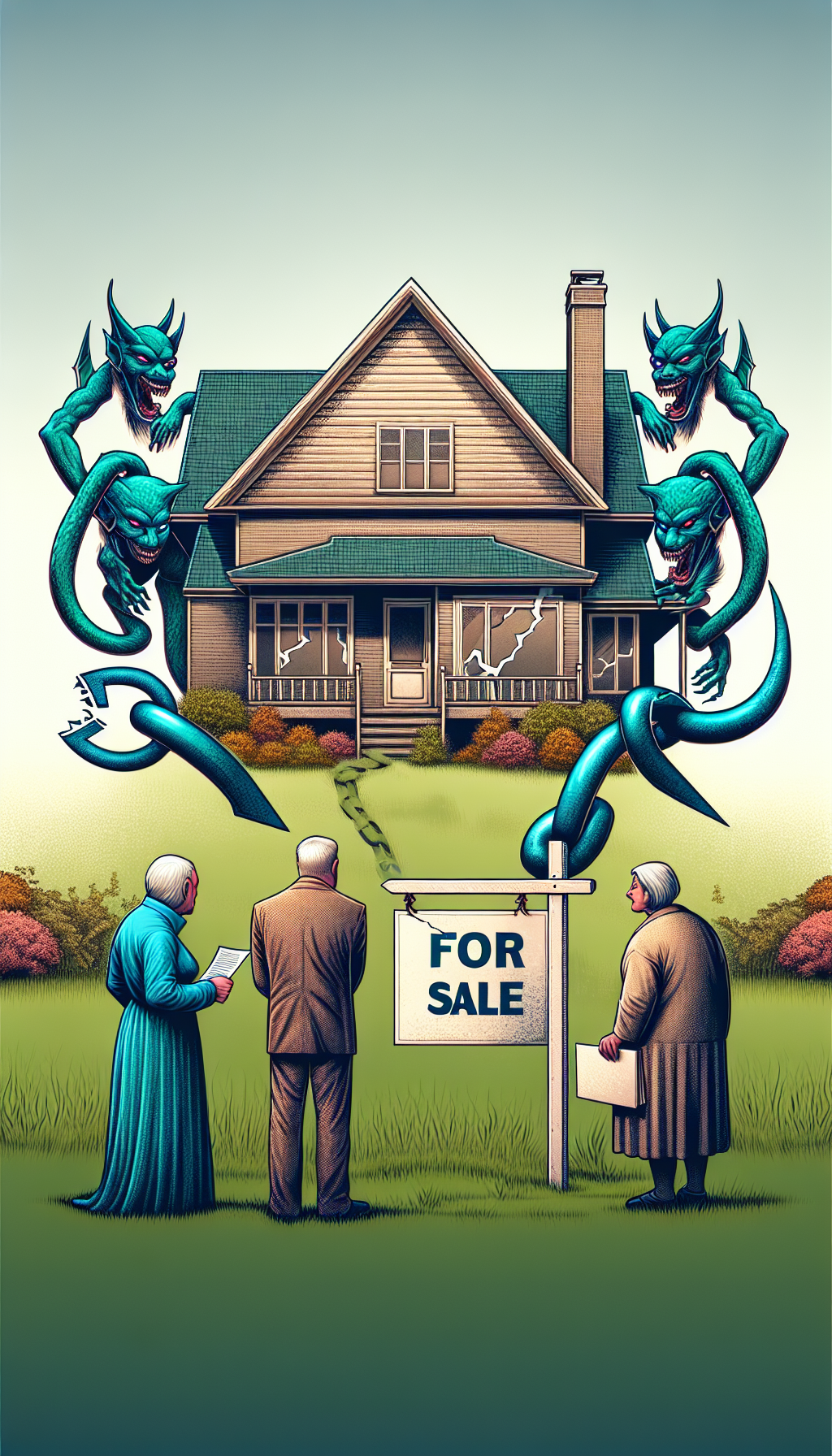
Understanding Reverse Mortgages
Reverse mortgages are financial products designed to help seniors access the equity in their homes. They allow homeowners aged 62 and older to convert part of their home equity into cash, which can be used for various purposes such as paying medical bills, home renovations, or supplementing retirement income. However, despite their growing popularity, reverse mortgages are often surrounded by misconceptions. Understanding these myths is crucial for making informed financial decisions.
Myth 1: The Bank Owns Your Home
One of the most pervasive myths about reverse mortgages is that the bank takes ownership of the home. In reality, homeowners retain ownership of their property. With a reverse mortgage, the lender provides funds based on the home’s equity, but the homeowner remains responsible for the property, including maintenance, property taxes, and homeowners insurance. The loan is repaid when the homeowner sells the home, moves out, or passes away, at which point the loan amount, plus any accrued interest, is deducted from the sale proceeds.
Myth 2: You Will Owe More Than Your Home is Worth
Another common misconception is that reverse mortgage borrowers could end up owing more than their home’s value. This concern stems from the fact that reverse mortgages accrue interest over time. However, most reverse mortgages are insured by the Federal Housing Administration (FHA) through the Home Equity Conversion Mortgage (HECM) program. This insurance guarantees that homeowners will never owe more than their home’s value, even if the loan balance exceeds it. This feature protects borrowers and their heirs from financial loss.
Myth 3: You Must Repay the Loan Monthly
Many people believe that reverse mortgage borrowers are required to make monthly payments to repay the loan. This is not the case. Reverse mortgages are designed to be repaid when the homeowner sells the home, moves out, or passes away. As long as the borrower continues to live in the home and meets the obligations of the loan, such as paying property taxes and homeowners insurance, they do not need to make monthly payments. This flexibility can provide much-needed financial relief during retirement.
Myth 4: Reverse Mortgages Are Only for Financially Desperate Seniors
There is a stereotype that reverse mortgages are only for seniors who are in dire financial situations. While reverse mortgages can indeed help those experiencing financial hardship, they are also a viable option for financially stable seniors looking to enhance their retirement experience. Many borrowers use reverse mortgages to fund travel, pursue hobbies, or make home improvements. It’s a financial tool that can be tailored to meet various needs and goals.
Myth 5: You Can’t Move or Sell Your Home with a Reverse Mortgage
Some people believe that taking out a reverse mortgage means they are stuck in their current home for life. This is a misconception. Homeowners with reverse mortgages retain the right to sell or move from their homes. If they choose to sell, the loan is paid off with the proceeds, and any remaining equity is distributed to the homeowner. This flexibility allows seniors to downsize or relocate if their circumstances change, providing peace of mind and financial security.
Conclusion
Reverse mortgages can be a valuable financial tool for seniors, but it’s essential to dispel the myths surrounding them. Understanding how reverse mortgages work and the realities of repayment can help homeowners make informed decisions about their financial futures. By educating themselves about these common misconceptions, seniors can better navigate their options and utilize their home equity effectively. As with any financial decision, it’s advisable to consult with a financial advisor to ensure that a reverse mortgage aligns with one’s overall financial strategy.