
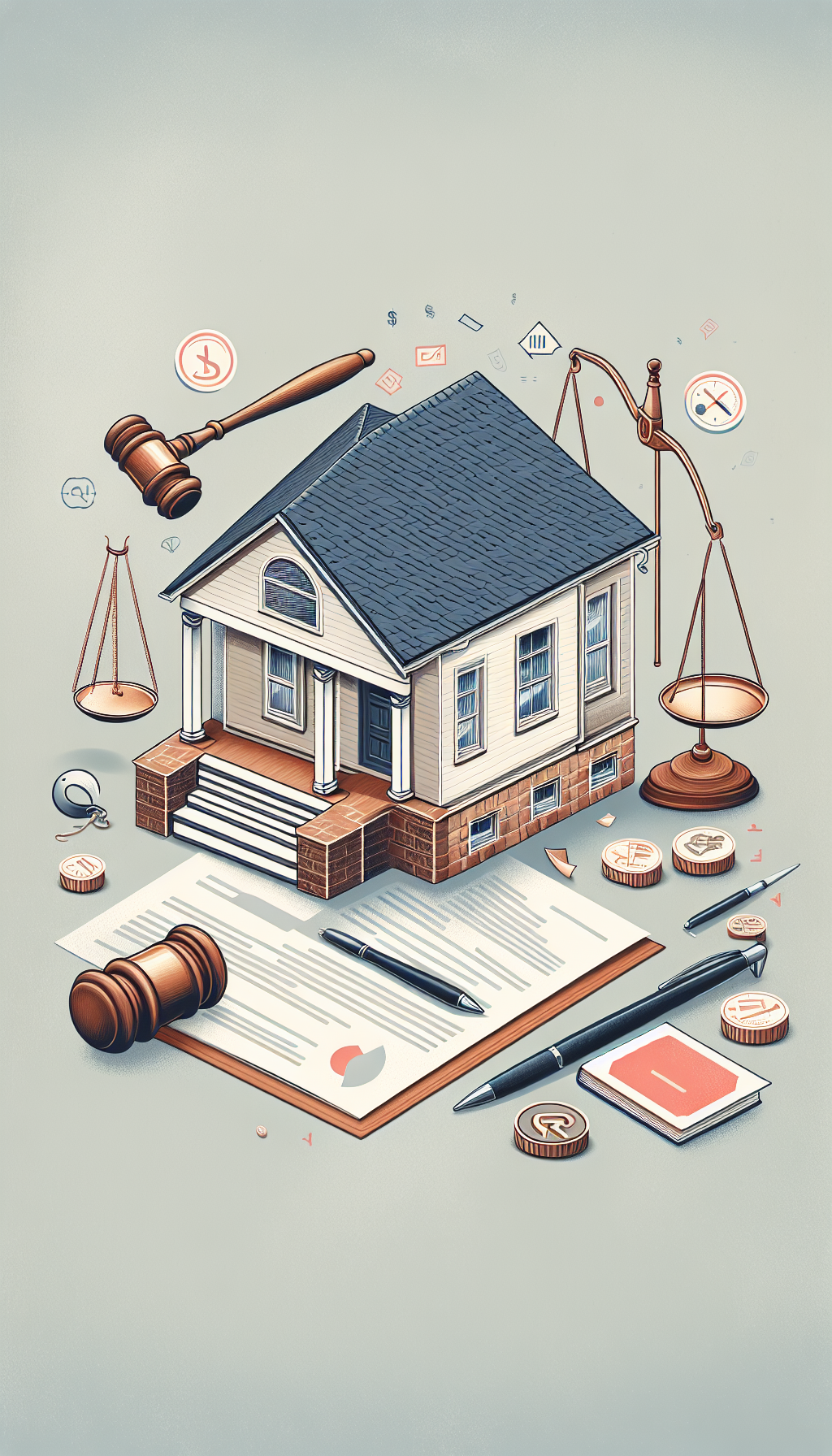
Understanding Reverse Mortgages
Reverse mortgages are financial products designed primarily for older homeowners who wish to convert a portion of their home equity into cash. This type of loan allows seniors, typically aged 62 and older, to borrow against the value of their home without the obligation to make monthly mortgage payments. Instead, the loan balance increases over time, and repayment is deferred until the homeowner sells the house, moves out, or passes away. While reverse mortgages can provide significant financial relief, particularly for retirees on a fixed income, they come with complex legalities that potential borrowers must navigate.
The Legal Framework of Reverse Mortgages
The legalities surrounding reverse mortgages are governed by federal laws, state regulations, and the policies of individual lenders. The most common type of reverse mortgage is the Home Equity Conversion Mortgage (HECM), which is insured by the Federal Housing Administration (FHA). To be eligible for an HECM, borrowers must meet specific requirements, including age, home equity, and creditworthiness. It is crucial for prospective borrowers to understand these legal requirements, as they can differ from one state to another and can affect the terms of the agreement.
Consumer Protections and Disclosures
Consumer protection is a significant aspect of reverse mortgage agreements. The Truth in Lending Act (TILA) requires lenders to provide clear disclosures about the terms of the loan, including the costs, fees, and repayment obligations. Additionally, the Real Estate Settlement Procedures Act (RESPA) mandates that borrowers receive information about settlement costs and their rights during the mortgage process. These regulations are designed to protect consumers from predatory lending practices and ensure they have a clear understanding of what they are entering into.
Impact on Heirs and Estate Planning
One of the most critical legal considerations for homeowners considering a reverse mortgage is its impact on heirs and estate planning. Because the loan is repaid through the sale of the home, heirs may face challenges if they wish to keep the property after the homeowner passes away. They will need to either repay the loan in full or sell the home to satisfy the debt. This aspect of reverse mortgages can complicate estate planning, making it essential for homeowners to discuss their options with legal and financial advisors before committing to a reverse mortgage.
Potential Risks and Legal Issues
While reverse mortgages can provide financial relief, they also come with risks that can lead to legal issues. Borrowers may face foreclosure if they fail to meet specific obligations, such as maintaining the home, paying property taxes, or keeping homeowner’s insurance current. Additionally, if the home’s value decreases significantly, the remaining equity may be insufficient to cover the loan balance, leading to financial strain for the borrower or their heirs. Understanding these risks is critical for homeowners considering a reverse mortgage and reinforces the importance of consulting with legal professionals who specialize in elder law and real estate.
Conclusion
Exploring the legalities of reverse mortgage agreements is essential for homeowners contemplating this financial option. By understanding the legal framework, consumer protections, and the potential impact on heirs, borrowers can make informed decisions that align with their financial goals and family dynamics. Engaging with qualified legal and financial advisors can provide valuable insights, ensuring that homeowners navigate the complexities of reverse mortgages effectively. As the aging population continues to grow, the importance of understanding these legal intricacies will only become more pronounced.