
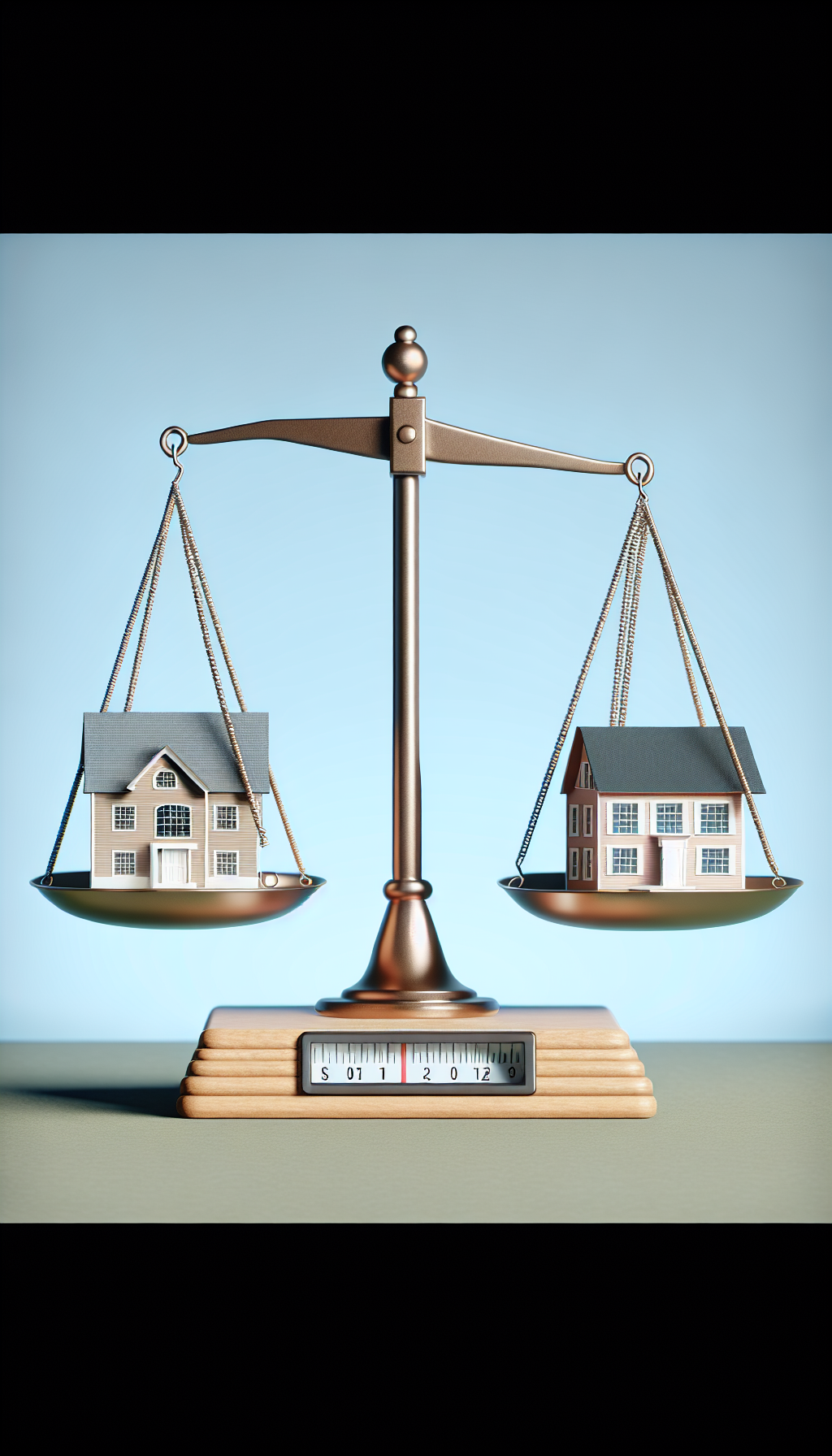
Understanding Reverse Mortgages
Reverse mortgages are financial products designed primarily for homeowners aged 62 and older, allowing them to convert a portion of their home equity into cash. Unlike traditional mortgages where the borrower makes monthly payments, with a reverse mortgage, the lender pays the homeowner. The loan is repaid when the borrower sells the home, moves out, or passes away. This financial tool can provide additional income during retirement, but it is essential to understand the different types of interest rates associated with reverse mortgages—fixed and adjustable.
Fixed-Rate Reverse Mortgages
Fixed-rate reverse mortgages offer a stable interest rate that remains constant throughout the life of the loan. This means that homeowners can predict their costs with certainty, which can be particularly advantageous in financial planning. Typically, fixed-rate reverse mortgages require borrowers to take out a lump sum payment, which can be beneficial for those who need a significant amount of cash upfront, such as paying off existing debts or making home improvements.
However, the trade-off for the security of a fixed rate is that it may not offer as much borrowing capacity compared to adjustable-rate options. The total amount a homeowner can borrow is determined by several factors, including the age of the youngest borrower, the home’s value, and current interest rates. For those who value predictability and are planning for specific expenses, a fixed-rate reverse mortgage may be the ideal choice.
Adjustable-Rate Reverse Mortgages
Adjustable-rate reverse mortgages, on the other hand, come with an interest rate that can fluctuate over time based on market conditions. These loans typically allow borrowers to access their funds through various payment options, such as monthly draws or a line of credit, which can be particularly appealing for those who want flexibility in managing their cash flow.
One significant advantage of adjustable-rate reverse mortgages is the potential for a higher borrowing limit. Since the initial interest rate is often lower than that of fixed-rate loans, borrowers can access more of their home equity. Additionally, because borrowers can withdraw funds as needed, they may find it easier to manage their finances over time, especially if their expenses vary from month to month.
Nevertheless, the uncertainty of adjustable rates can be a drawback. If market interest rates rise, the cost of borrowing may increase, which could impact the overall equity left in the home. Homeowners must carefully consider their financial situation and risk tolerance when deciding between fixed and adjustable rates.
Factors to Consider When Choosing
When deciding between fixed and adjustable rates for a reverse mortgage, several factors come into play. Homeowners should consider their financial goals, how they plan to use the funds, and their comfort level with potential fluctuations in interest rates.
For those who prefer stability and have specific financial requirements, a fixed-rate might be more aligned with their needs. Conversely, homeowners who anticipate varying financial needs and wish to maximize their borrowing capacity may find adjustable rates more appealing.
It’s also crucial to factor in the current interest rate environment. If rates are low, a fixed-rate mortgage may be more attractive. However, if the market suggests potential increases, locking in a fixed rate could provide long-term savings.
Consulting with Professionals
Given the complexities associated with reverse mortgages, consulting with financial advisors or mortgage professionals is essential. They can provide personalized advice based on individual circumstances, helping homeowners navigate the nuances of fixed and adjustable rates.
Additionally, understanding the long-term implications of taking out a reverse mortgage is vital. Homeowners should be aware of how these loans can affect their estate and the inheritance they leave behind, as well as the potential impact on their eligibility for government assistance programs.
Conclusion
Choosing between fixed and adjustable rates in reverse mortgages is a significant decision that requires careful consideration. Homeowners should evaluate their financial goals, risk tolerance, and current market conditions before proceeding. By understanding the fundamental differences between these two options and seeking professional guidance, seniors can make informed choices that enhance their financial well-being during retirement.