
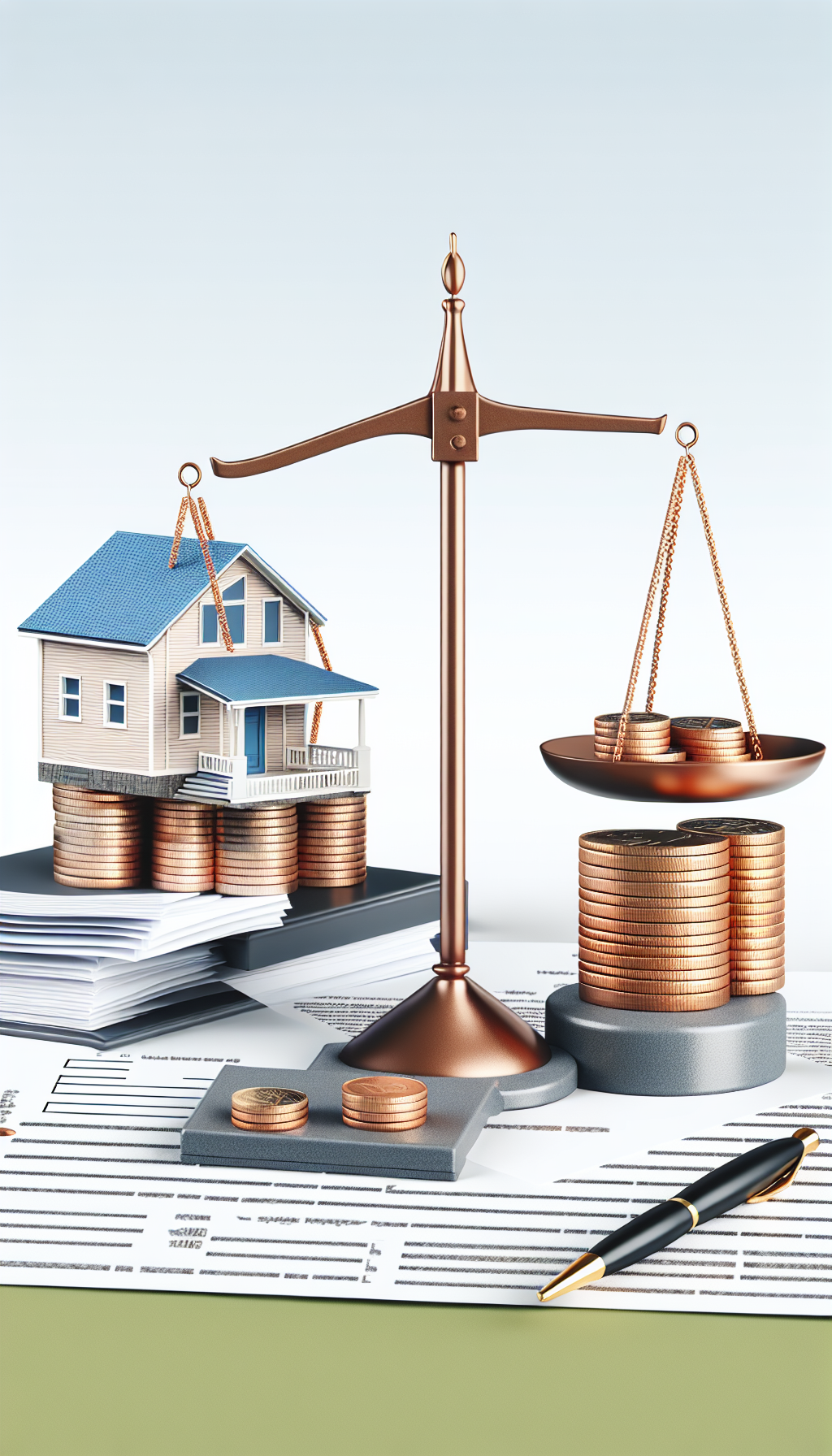
Understanding Fixed Interest Rates in Reverse Mortgages
Reverse mortgages are financial products that allow homeowners, particularly seniors, to convert a portion of their home equity into cash without having to sell their home. One key component of reverse mortgages is the interest rate structure, which can significantly influence the overall cost and benefits of the loan. Fixed interest rates are one of the options available, and understanding how they work is crucial for potential borrowers.
What is a Fixed Interest Rate?
A fixed interest rate is a type of interest rate that remains constant throughout the life of the loan. In the context of reverse mortgages, this means that once the interest rate is established at the beginning of the loan, it will not change, regardless of fluctuations in the market or changes in the economic environment. This predictability can provide borrowers with a sense of security, knowing exactly how much interest will accumulate over time.
How Fixed Interest Rates Affect Reverse Mortgages
The choice of a fixed interest rate in a reverse mortgage can significantly impact the total amount owed when the loan matures. Since reverse mortgages do not require monthly payments, the interest accrues over time and is added to the loan balance. With a fixed interest rate, borrowers can anticipate the growth of their loan balance, allowing for better financial planning.
Furthermore, fixed interest rates can provide stability in financial planning for retirees. Given that many seniors are on fixed incomes, knowing the exact amount of interest that will accumulate can help them manage their finances more effectively.
Advantages of Fixed Interest Rates
One of the primary advantages of a fixed interest rate in reverse mortgages is the predictability it offers. Borrowers can calculate the total amount they will owe at different points in the future based on the fixed rate, which aids in making informed decisions about their financial futures. Additionally, fixed rates can be beneficial in a rising interest rate environment, as the borrower locks in a lower rate that will not increase over time.
Another advantage is that fixed interest rates can be easier to understand for borrowers. The simplicity of a single, unchanging rate can make it easier for homeowners to grasp the long-term implications of their reverse mortgage, as opposed to variable rates that can fluctuate and complicate financial planning.
Considerations When Choosing Fixed Interest Rates
While fixed interest rates offer many benefits, they are not without drawbacks. Generally, fixed rates tend to be higher than variable rates at the outset, which means that borrowers may start with a higher loan balance. This can be a crucial consideration for those looking to maximize their available funds, as the higher initial costs may reduce the overall amount they can borrow.
Additionally, borrowers should consider their long-term plans for the home. If they intend to sell the home or move within a few years, a fixed interest rate may not be the best choice, as the higher initial costs could outweigh the benefits of a stable rate.
Conclusion
Fixed interest rates in reverse mortgages provide borrowers with a stable and predictable option for accessing home equity. By understanding how these rates work, homeowners can make informed decisions that align with their financial goals and needs. As with any financial product, it is essential for potential borrowers to weigh the advantages and disadvantages carefully and consider their unique circumstances before committing to a reverse mortgage. With the right knowledge, seniors can harness the benefits of reverse mortgages to enhance their financial security in retirement.