
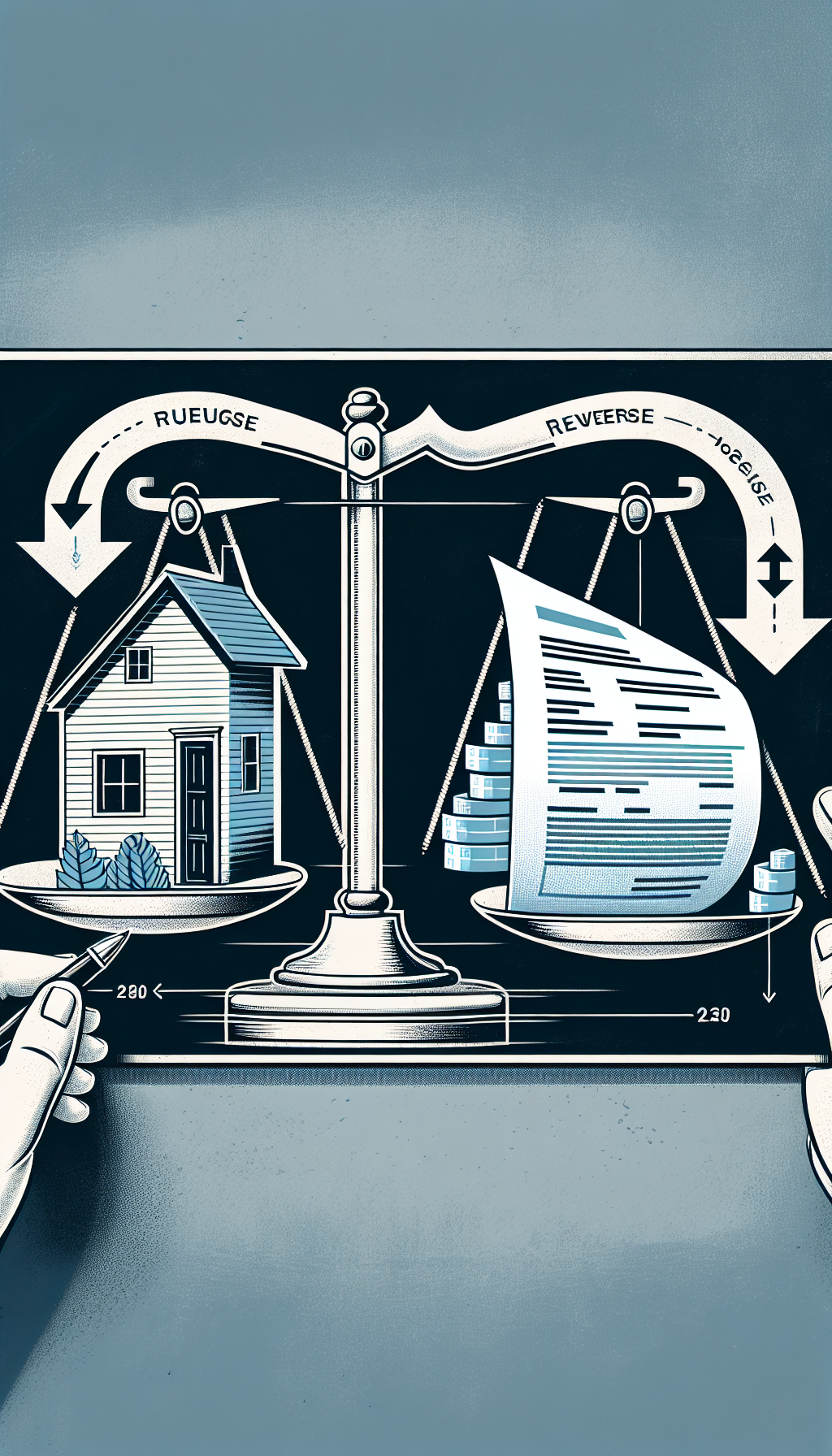
Understanding Reverse Mortgages
A reverse mortgage is a financial product that allows homeowners, typically aged 62 and older, to convert a portion of their home equity into cash. Unlike traditional mortgages, where homeowners make monthly payments to the lender, reverse mortgages provide funds to the borrower, who does not have to repay the loan until they sell the home, move out, or pass away. This option can be particularly attractive for retirees looking to supplement their income, pay for healthcare, or cover other expenses. However, the repayment structure of reverse mortgages is closely tied to the property’s value.
The Link Between Property Value and Loan Amount
The amount of money a homeowner can receive through a reverse mortgage is determined by several factors, including the age of the youngest borrower, current interest rates, and, crucially, the appraised value of the home. The higher the property value, the larger the potential loan amount. This means that homeowners in areas with rising real estate markets may benefit significantly from a reverse mortgage compared to those in stagnant or declining markets.
As property values appreciate, borrowers can access more equity, which can provide greater financial flexibility. Conversely, if property values decline, the available equity diminishes, potentially reducing the loan amount a homeowner can receive. This fluctuation in property value can have a significant impact on the homeowner’s financial planning and future repayment obligations.
Repayment Triggers and Property Value
One of the unique aspects of reverse mortgages is that they do not require monthly payments. However, repayment is triggered under certain conditions, primarily when the homeowner sells the property, moves out, or passes away. At this point, the total loan amount, including accrued interest and fees, must be repaid.
If the property value has increased since the time the reverse mortgage was taken out, the homeowner or their heirs may benefit from selling the home at a higher price, potentially covering the repayment of the loan while also leaving room for profit. On the other hand, if the property value has decreased, the heirs might find themselves in a situation where the sale of the home does not cover the outstanding loan balance. Fortunately, reverse mortgages are non-recourse loans, meaning that borrowers or their heirs will never owe more than the home’s value at the time of sale, protecting them from being financially liable for any shortfall.
Impact on Heirs and Estate Planning
The effects of property value on reverse mortgage repayment extend beyond the immediate borrower to their heirs. When a reverse mortgage is in place, it can affect how heirs plan for their inheritance. If the property value is high, heirs might choose to sell the home to pay off the reverse mortgage and keep any remaining equity. However, if the value is low, they might opt to retain the property and pay off the loan independently, which could be a more significant financial burden.
Additionally, understanding the dynamics of property value can help families make informed decisions regarding estate planning. For instance, if a home appreciates significantly, heirs may want to consider strategies for handling the reverse mortgage repayment effectively, ensuring they retain as much value as possible.
Conclusion
In conclusion, property value plays a crucial role in the structure and repayment of reverse mortgages. Homeowners need to be aware of how fluctuations in their property’s market value can impact their financial situation, particularly as they approach the time when repayment may be required. Understanding these dynamics can aid in making informed decisions about reverse mortgages, ensuring that both the current homeowner and their heirs are well-prepared for the future. As with any financial decision, it’s advisable to consult with a financial advisor to navigate the complexities of reverse mortgages and their implications on property value.