
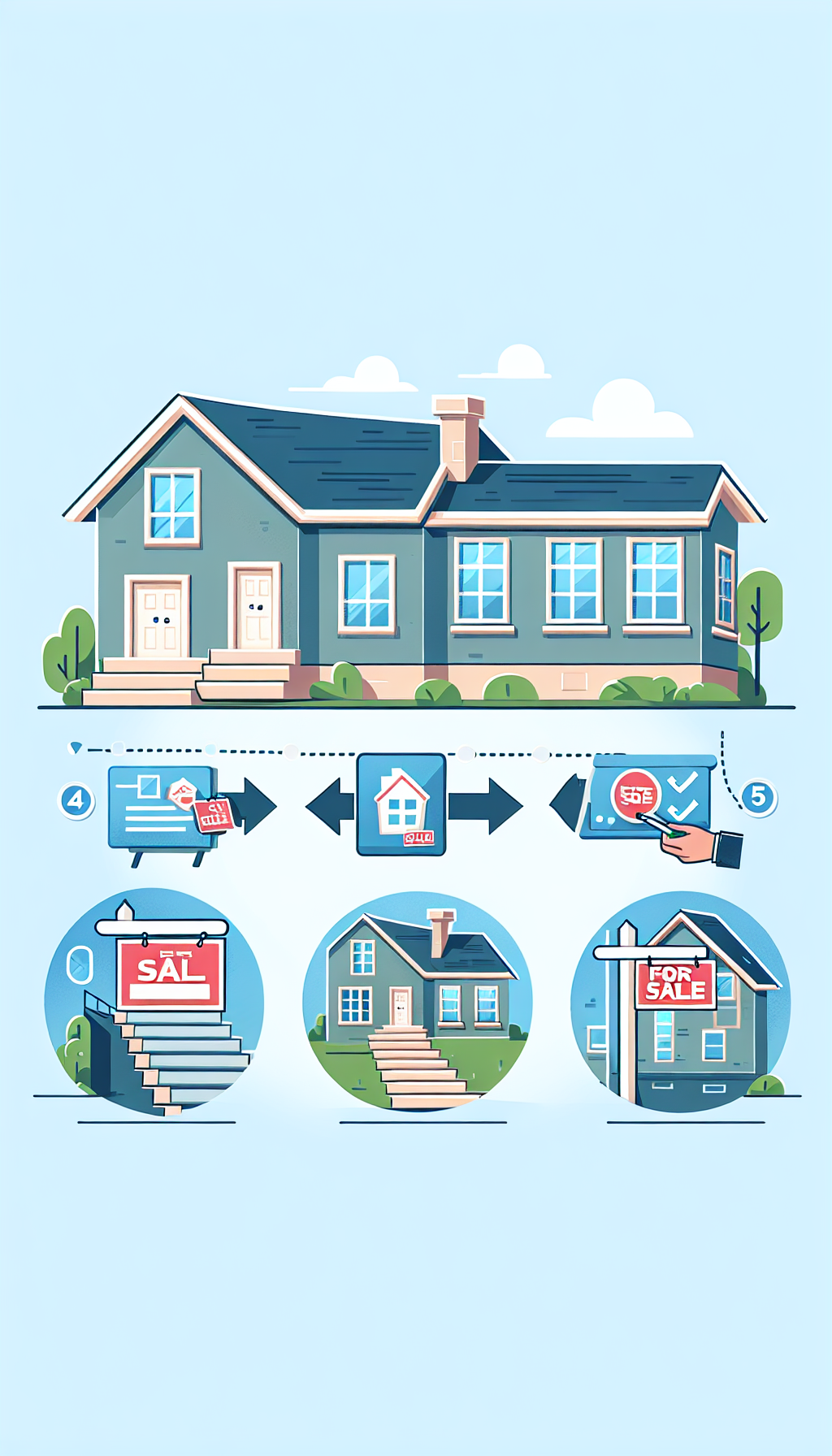
Understanding Reverse Mortgages
A reverse mortgage is a financial product that allows homeowners, typically aged 62 or older, to convert part of their home equity into cash. This can be particularly beneficial for retirees who may need additional income. However, when it comes time to sell a house with a reverse mortgage, there are specific steps and considerations to keep in mind. Understanding how a reverse mortgage works is crucial before proceeding with a sale.
The loan is repaid when the homeowner sells the house, moves out, or passes away. This means that if you’re planning to sell your house, you will need to pay off the reverse mortgage balance from the sale proceeds before you can pocket any remaining equity.
Gather Necessary Documentation
Before you list your home for sale, it’s important to gather all necessary documentation related to your reverse mortgage. This includes your original loan agreement, any statements showing the current balance, and details about any other liens on the property. Having this information readily available will facilitate a smoother sale process.
You may also want to consult your reverse mortgage lender to understand any specific requirements they might have regarding the sale. They can provide you with the current payoff amount, which is crucial for setting a competitive selling price.
Consult with Real Estate Professionals
Engaging a real estate agent who has experience with reverse mortgages can be invaluable. They can help you navigate the complexities of selling a home with a reverse mortgage and can assist with pricing your property correctly based on the current market conditions.
Additionally, a real estate agent can help you market your home effectively, ensuring that you attract potential buyers. They may also have a network of contacts, which can expedite the selling process.
Set a Competitive Selling Price
Pricing your home correctly is essential for a successful sale. Your real estate agent can conduct a comparative market analysis (CMA) to help determine a competitive price based on similar homes in your area.
Keep in mind that the sale price needs to cover your reverse mortgage balance, as well as any closing costs and fees associated with the sale. This means that you may need to adjust your expectations based on the current market and the outstanding loan amount.
Prepare Your Home for Sale
Making your home attractive to potential buyers can significantly impact the selling process. Consider making minor repairs, decluttering, and staging your home to enhance its appeal. First impressions are crucial, so ensure the exterior of the house is well-maintained and inviting.
Additionally, it may be beneficial to conduct a professional appraisal or inspection to identify any potential issues that could arise during the selling process. Addressing these concerns beforehand can make the sale smoother and prevent delays.
Market Your Home Effectively
Once your home is ready for sale, it’s time to market it effectively. Your real estate agent should employ a mix of traditional and digital marketing strategies, including listing the property on multiple platforms, social media promotion, and open houses.
High-quality photos and a well-written description can attract more potential buyers. Highlighting features that make your home unique and desirable can also increase interest and lead to a quicker sale.
Negotiate Offers and Close the Sale
When offers start coming in, your agent will help you evaluate each one. Consider not just the price, but also the buyer’s financial qualifications and any contingencies they may have.
Once you accept an offer, the closing process begins. During closing, the reverse mortgage will need to be paid off from the sale proceeds. Ensure you have all necessary documentation ready for the closing agent, including the payoff statement from your reverse mortgage lender.
Consider Tax Implications
Selling a house with a reverse mortgage can have tax implications, particularly regarding capital gains. It’s advisable to consult with a tax professional to understand how the sale may affect your tax situation. They can provide guidance on potential exemptions or deductions you may qualify for.
Final Steps After the Sale
After the sale is complete and the reverse mortgage has been paid off, it’s important to keep records of the transaction for your financial records. If there were any remaining proceeds after paying off the mortgage, consider how you will manage these funds moving forward.
In conclusion, selling a house with a reverse mortgage involves careful planning and consideration. By following these steps, you can navigate the process efficiently and ensure a successful sale. Always consult with professionals as needed to ensure that you are making informed decisions throughout the process.