
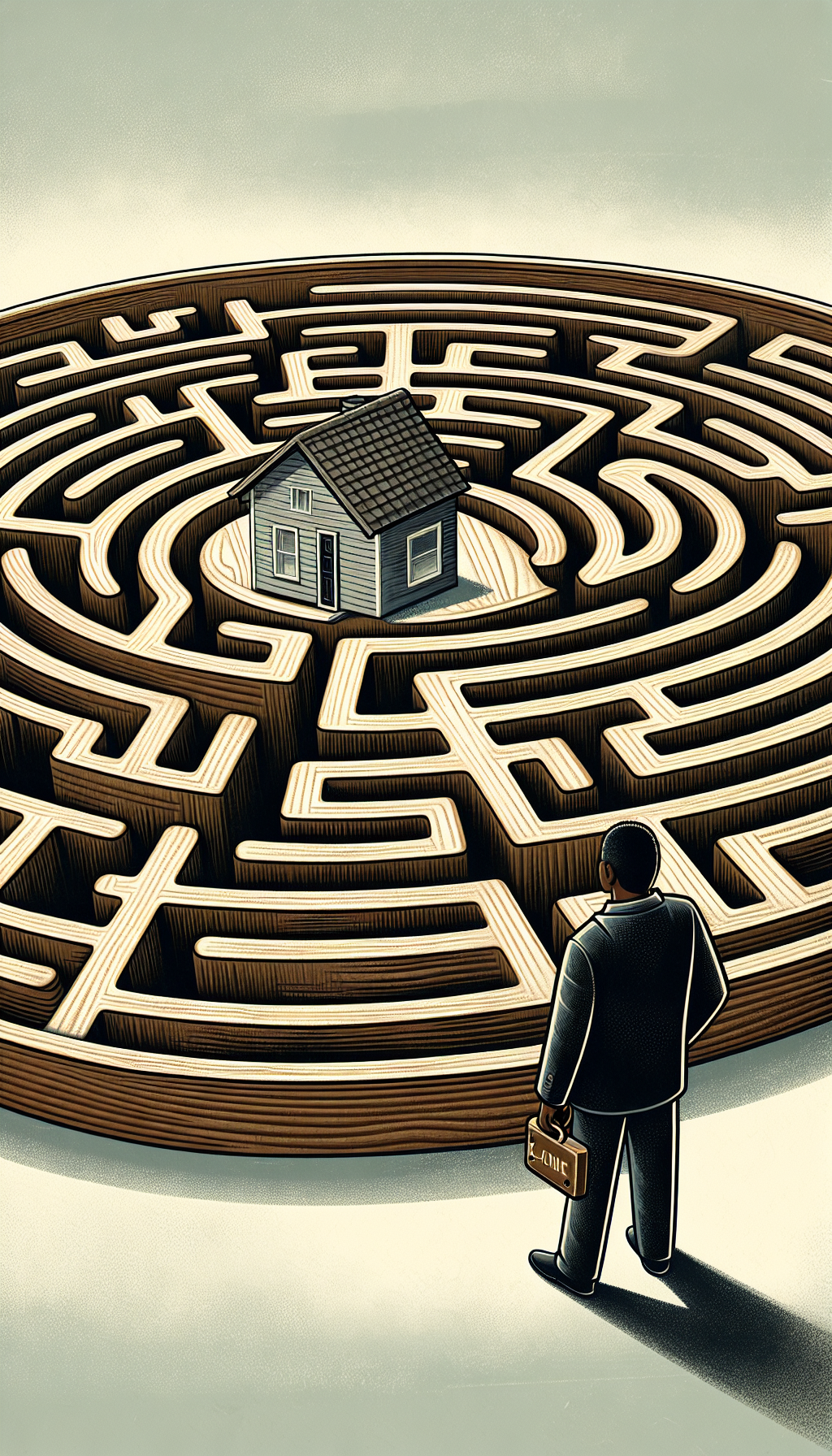
Understanding Reverse Mortgages
Reverse mortgages offer homeowners aged 62 and older a way to convert a portion of their home equity into cash. This financial product allows seniors to receive funds while still living in their homes, providing an alternative source of income during retirement. However, as appealing as reverse mortgages may seem, they come with complexities, particularly when it comes to payback. Understanding the fundamental aspects of reverse mortgages is essential for navigating the challenges that arise during the repayment phase.
The Payback Process Explained
Unlike traditional mortgages, where homeowners make monthly payments to their lenders, reverse mortgage borrowers receive payments. However, the loan is ultimately due when the homeowner sells the home, moves out, or passes away. At that point, the loan balance, which includes the amount borrowed plus interest and fees, must be paid off. Any remaining equity belongs to the homeowner or their heirs. It’s crucial for borrowers to understand this process, as it can significantly impact financial planning and estate considerations.
Challenges of Payback for Heirs
One of the primary challenges of reverse mortgage payback is how it affects heirs. When a homeowner passes away, the reverse mortgage becomes due, and the heirs must decide whether to sell the home to repay the loan or pay off the mortgage to keep the property. Many heirs may not be aware of their responsibilities until it is too late, leading to potential financial strain. Additionally, if the home’s market value has decreased, the heirs might find themselves in a difficult position, especially if they wish to retain the property.
Market Value Considerations
The fluctuating real estate market can significantly impact the payback process. If property values have increased, heirs may have the option to sell the home for a profit, allowing them to pay off the reverse mortgage and retain some equity. Conversely, if the market has declined, the home may not sell for enough to cover the loan balance, leading to potential financial loss. Homeowners should stay informed about their property’s value and consider seeking a professional appraisal before taking out a reverse mortgage.
Interest Accumulation and Fees
Another challenge in reverse mortgage payback is the accumulation of interest and fees over time. Unlike traditional mortgages, where borrowers pay interest gradually, reverse mortgage interest compounds, leading to a larger loan balance. Homeowners should be aware that the longer they live in the home, the more they will owe when the loan becomes due. Understanding how interest accumulates can help borrowers make informed decisions about their financial futures and explore options to minimize their debt.
Exploring Alternatives to Reverse Mortgages
For some seniors, reverse mortgages may not be the best option. Exploring alternatives can provide additional financial security without the complexities of payback. Options such as home equity loans or lines of credit, downsizing to a smaller home, or seeking assistance from government programs may be more suitable. It’s essential for homeowners to fully assess their financial situation and consider seeking advice from a financial advisor to explore all available options.
Conclusion: Preparing for the Future
Navigating the challenges of reverse mortgage payback requires careful planning and awareness. Homeowners should educate themselves about the terms of their reverse mortgage, potential market fluctuations, and the implications for their heirs. By taking proactive steps and considering alternatives, seniors can better prepare for the future and ensure their financial well-being. Open communication with family members about these issues can also help alleviate potential conflicts down the line, allowing for a smoother transition when the time comes to repay the loan.