
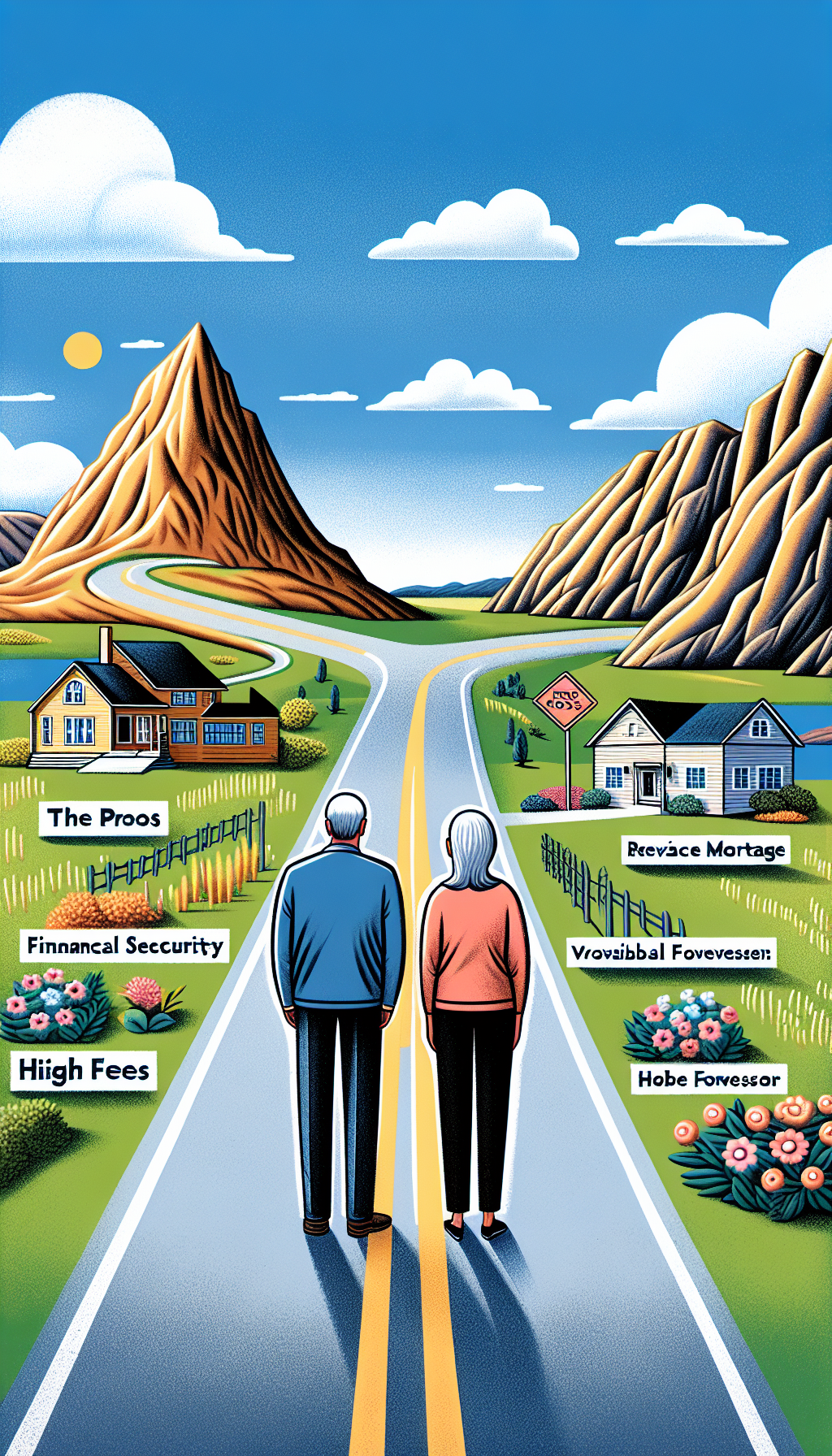
Understanding Reverse Mortgages
A reverse mortgage is a financial product designed primarily for older homeowners, allowing them to convert a portion of their home equity into cash. Unlike traditional mortgages where homeowners make monthly payments to the lender, a reverse mortgage provides funds to the homeowner, who typically does not have to repay the loan until they sell the home, move out, or pass away. This unique arrangement can be an attractive option for seniors looking for additional income, but it’s essential to grasp both the advantages and disadvantages before making a decision.
Pros of Reverse Mortgages
One of the most significant advantages of a reverse mortgage is the financial flexibility it offers. Seniors can access cash to cover living expenses, medical bills, or home renovations without the burden of monthly mortgage payments. This can be especially beneficial for retirees on fixed incomes, providing them with the means to maintain their quality of life.
Another appealing aspect is that the funds received from a reverse mortgage are typically tax-free. Homeowners can use the money for various purposes, such as paying off existing debts, funding travel, or helping family members. Additionally, reverse mortgages can help seniors remain in their homes longer, allowing them to age in place while tapping into their home equity.
Moreover, reverse mortgages can be structured in several ways, including lump-sum payments, monthly disbursements, or a line of credit, giving homeowners the flexibility to choose the best option for their financial situation.
Cons of Reverse Mortgages
Despite the advantages, reverse mortgages come with several drawbacks that potential borrowers should consider. One major concern is the high upfront costs associated with these loans. Borrowers may face substantial fees for origination, closing, and insurance, which can significantly reduce the amount of equity available.
Another downside is that while homeowners are not required to make monthly payments, interest on the loan accrues over time. This can lead to a substantial reduction in home equity, which could impact the amount left for heirs. In some cases, if the homeowner does not maintain the property or pay property taxes and homeowners insurance, the loan can be called due, putting them at risk of foreclosure.
Additionally, the requirements for obtaining a reverse mortgage can be stringent. Borrowers must be at least 62 years old, own their home outright or have a low mortgage balance, and must demonstrate the ability to cover ongoing costs related to home ownership. This can limit access for some potential borrowers.
Key Considerations Before Applying
Before applying for a reverse mortgage, it’s crucial to evaluate your long-term financial needs and goals. Consider how much equity you have in your home, your current financial situation, and your plans for the future. Consulting with a financial advisor or a reverse mortgage specialist can provide valuable insights and help you make an informed decision.
It’s also important to understand the various types of reverse mortgages available. The most common is the Home Equity Conversion Mortgage (HECM), which is federally insured and has specific guidelines. There are also proprietary reverse mortgages offered by private lenders, which may have different terms and conditions.
Finally, consider the impact of a reverse mortgage on your estate and heirs. Open communication with family members about your plans can help manage expectations and ensure everyone is on the same page regarding the future of the family home.
Conclusion
Navigating the reverse mortgage landscape requires careful consideration of both the pros and cons. While it offers a viable solution for many seniors seeking additional financial resources, it’s essential to be fully informed about the implications. By weighing the benefits against the potential downsides and seeking professional advice, homeowners can make a choice that aligns with their financial goals and ensures their long-term well-being.