
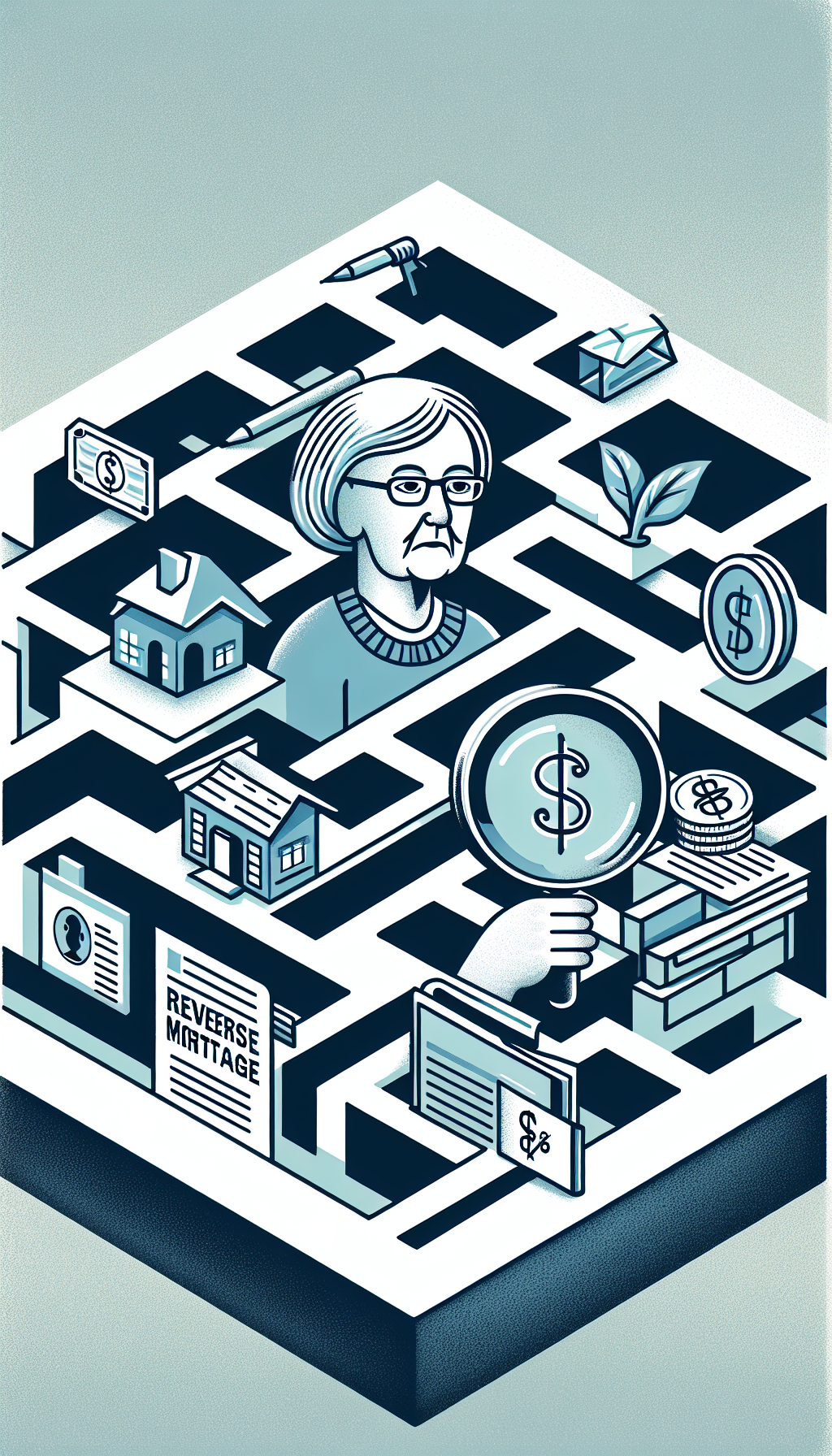
Understanding Reverse Mortgages
Reverse mortgages offer a unique financial solution for seniors who want to tap into their home equity while continuing to live in their homes. Unlike traditional mortgages, where homeowners make monthly payments to a lender, reverse mortgages allow seniors to receive payments based on the equity they have built up in their homes. This can provide a vital source of income during retirement, helping to cover living expenses, healthcare costs, or even home renovations.
Before diving into the reverse mortgage process, it’s essential for seniors to fully understand how these loans work. A reverse mortgage is a loan against the value of a home, and it must be repaid when the homeowner sells the home, moves out, or passes away. The amount borrowed plus interest and fees is deducted from the home’s equity, which means that the homeowner or their heirs may receive less when the home is sold.
Evaluating Your Eligibility
To qualify for a reverse mortgage, seniors must meet certain eligibility criteria. First and foremost, the homeowner must be at least 62 years old. Additionally, the home must be their primary residence, and it must be fully owned or have a low enough balance on any existing mortgage to be paid off with the reverse mortgage proceeds.
Seniors must also demonstrate the ability to maintain the property and cover its costs, such as property taxes, homeowners insurance, and maintenance expenses. Lenders may require potential borrowers to undergo a financial assessment to ensure they can afford these ongoing costs.
Choosing the Right Type of Reverse Mortgage
There are several types of reverse mortgages available, each with its own features and benefits. The most common is the Home Equity Conversion Mortgage (HECM), which is insured by the Federal Housing Administration (FHA). HECMs offer flexible payment options, allowing seniors to choose between receiving a lump sum, monthly payments, or a line of credit.
Other options include proprietary reverse mortgages, which are offered by private lenders and may be suitable for homeowners with higher-value properties, and single-purpose reverse mortgages, which are designed for specific uses, such as home repairs or property taxes. Seniors should carefully consider their financial needs and goals when choosing the type of reverse mortgage that best fits their situation.
Finding a Reputable Lender
Navigating the reverse mortgage process requires finding a reputable lender who can guide seniors through the complexities of the loan. It is crucial to research potential lenders, checking their credentials, customer reviews, and experience with reverse mortgages.
Seniors should also look for lenders who are approved by the FHA, as these lenders adhere to federal regulations and guidelines. Additionally, it can be beneficial to seek recommendations from trusted financial advisors, family members, or friends who have experience with reverse mortgages.
Understanding the Application Process
Once a senior has selected a lender, the application process for a reverse mortgage begins. This typically involves submitting various documents, including proof of income, bank statements, and information about the home. The lender will also conduct an appraisal to determine the current value of the property.
After the application is submitted, the lender will review the information and may request additional documentation. It’s essential for seniors to stay organized and responsive during this phase to ensure a smooth process. Once approved, the lender will provide a loan estimate that outlines the terms and costs associated with the reverse mortgage.
Preparing for Closing
The closing process for a reverse mortgage is similar to that of a traditional mortgage. Seniors will review and sign a variety of documents that detail the terms of the loan. It’s vital to read through all paperwork carefully and ask questions about anything that is unclear.
Seniors will also need to pay closing costs, which can include origination fees, appraisal costs, and other administrative fees. Some of these costs can be rolled into the loan, but it’s essential to understand how they will impact the overall equity in the home.
Managing Your Reverse Mortgage
After closing on a reverse mortgage, seniors must manage the loan responsibly. While there are no monthly payments required, homeowners are still responsible for maintaining the property, paying property taxes, and keeping homeowners insurance active. Failing to meet these obligations can result in the loan being called due.
Seniors should regularly assess their financial situation and consider how the reverse mortgage fits into their overall retirement plan. It may also be helpful to consult with a financial advisor periodically to ensure that their financial decisions align with their long-term goals.
Making Informed Decisions
Navigating the reverse mortgage process can feel daunting for seniors, but with the right information and support, it can be a beneficial financial tool. By understanding the ins and outs of reverse mortgages, evaluating eligibility, choosing the right type, finding a reputable lender, and managing the loan responsibly, seniors can make informed decisions that enhance their financial well-being during retirement.