
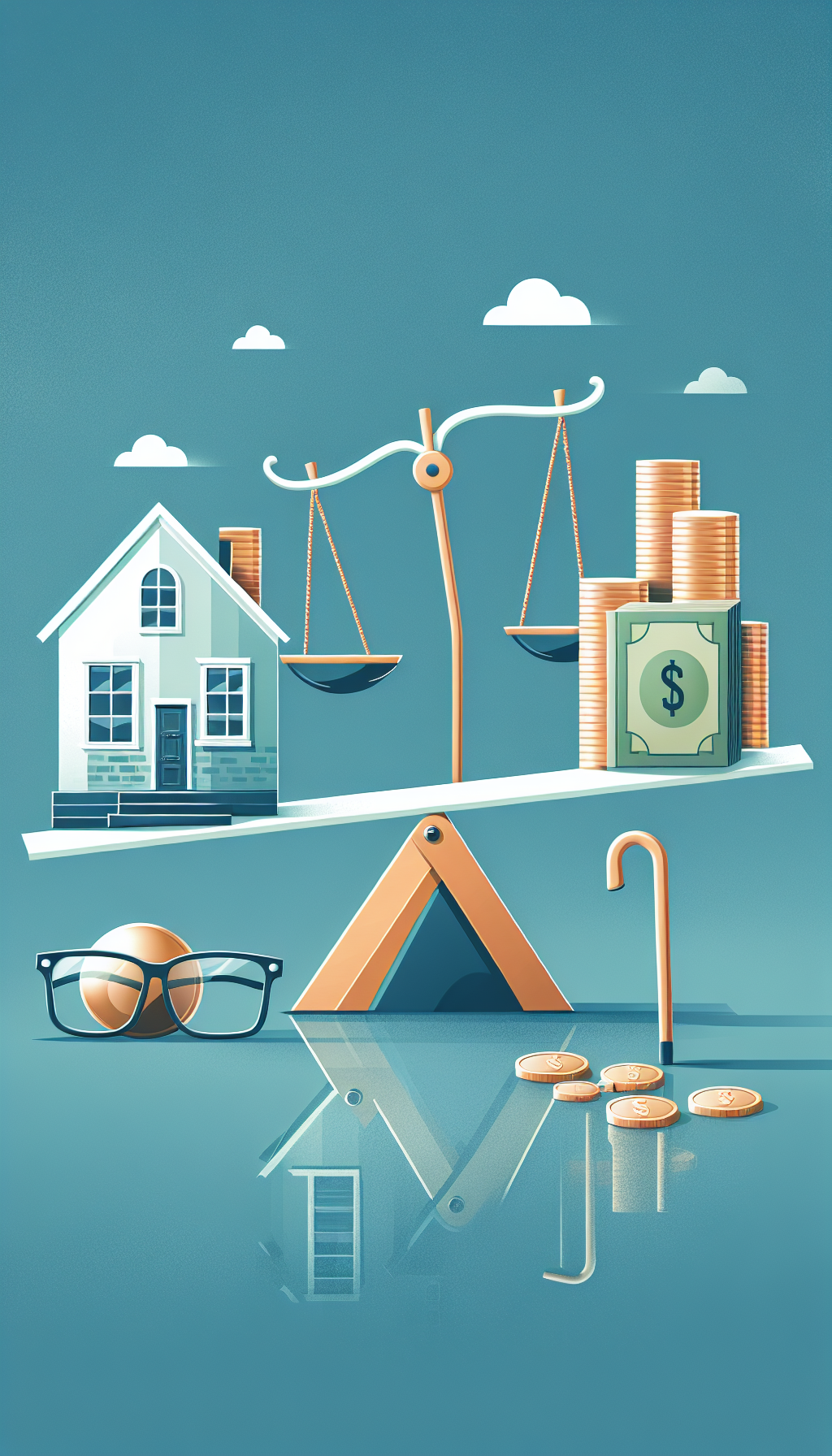
Understanding Reverse Mortgages
A reverse mortgage is a financial product designed primarily for homeowners aged 62 and older, allowing them to convert a portion of their home equity into cash. Unlike traditional mortgages, where homeowners make monthly payments to the lender, a reverse mortgage pays the homeowner. The loan is repaid only when the homeowner sells the house, moves out, or passes away. While reverse mortgages can provide financial relief for seniors, they come with both advantages and disadvantages that must be carefully weighed.
Benefits of Reverse Mortgages
One of the primary benefits of reverse mortgages is the ability to access cash without having to sell the home or take on additional monthly payments. This can be particularly helpful for seniors who may be on a fixed income and need funds to cover living expenses, medical bills, or home improvements. The money received from a reverse mortgage can be used for any purpose, offering flexibility to the homeowner.
Another advantage is that reverse mortgages can enhance financial security. By tapping into home equity, seniors can supplement their retirement savings, potentially allowing them to maintain their standard of living or pay for unexpected expenses. This can be especially beneficial in cases where traditional retirement savings may not be sufficient.
Additionally, homeowners retain the title to their home, allowing them to live in it as long as they choose, provided they continue to meet the terms of the loan, such as maintaining the property and paying property taxes and insurance. This feature can be an essential consideration for seniors who want to age in place.
Drawbacks of Reverse Mortgages
Despite the benefits, reverse mortgages also have significant drawbacks. One of the primary concerns is the costs associated with obtaining a reverse mortgage. These can include origination fees, closing costs, and mortgage insurance premiums, which can eat into the equity that the homeowner is trying to access. It’s crucial for seniors to understand these costs and how they will affect their overall financial situation.
Another potential downside is that, over time, the amount owed on a reverse mortgage can grow significantly due to interest accumulation. This can lead to a situation where homeowners find themselves with little to no equity left in their homes, which can be particularly concerning for those who wish to leave their property to heirs. Once the homeowner passes away or moves out, the loan must be repaid, often requiring the sale of the home.
Furthermore, reverse mortgages can complicate estate planning. Because the loan must be settled when the homeowner dies, heirs may face challenges if they wish to keep the home. They will need to either pay off the loan or sell the property to settle the debt, which may not align with their intentions for the inheritance.
Is It a Good Option for Seniors?
Determining whether a reverse mortgage is a good option for seniors depends on individual financial situations and goals. It can be a valuable tool for those who need immediate access to cash and prefer to stay in their homes. However, careful consideration of the associated costs, long-term implications, and potential impact on heirs is essential.
Seniors should consult with a financial advisor or reverse mortgage counselor to fully understand the implications of this financial product. By weighing the pros and cons and considering personal circumstances, seniors can make an informed decision about whether a reverse mortgage aligns with their financial needs and retirement goals.