
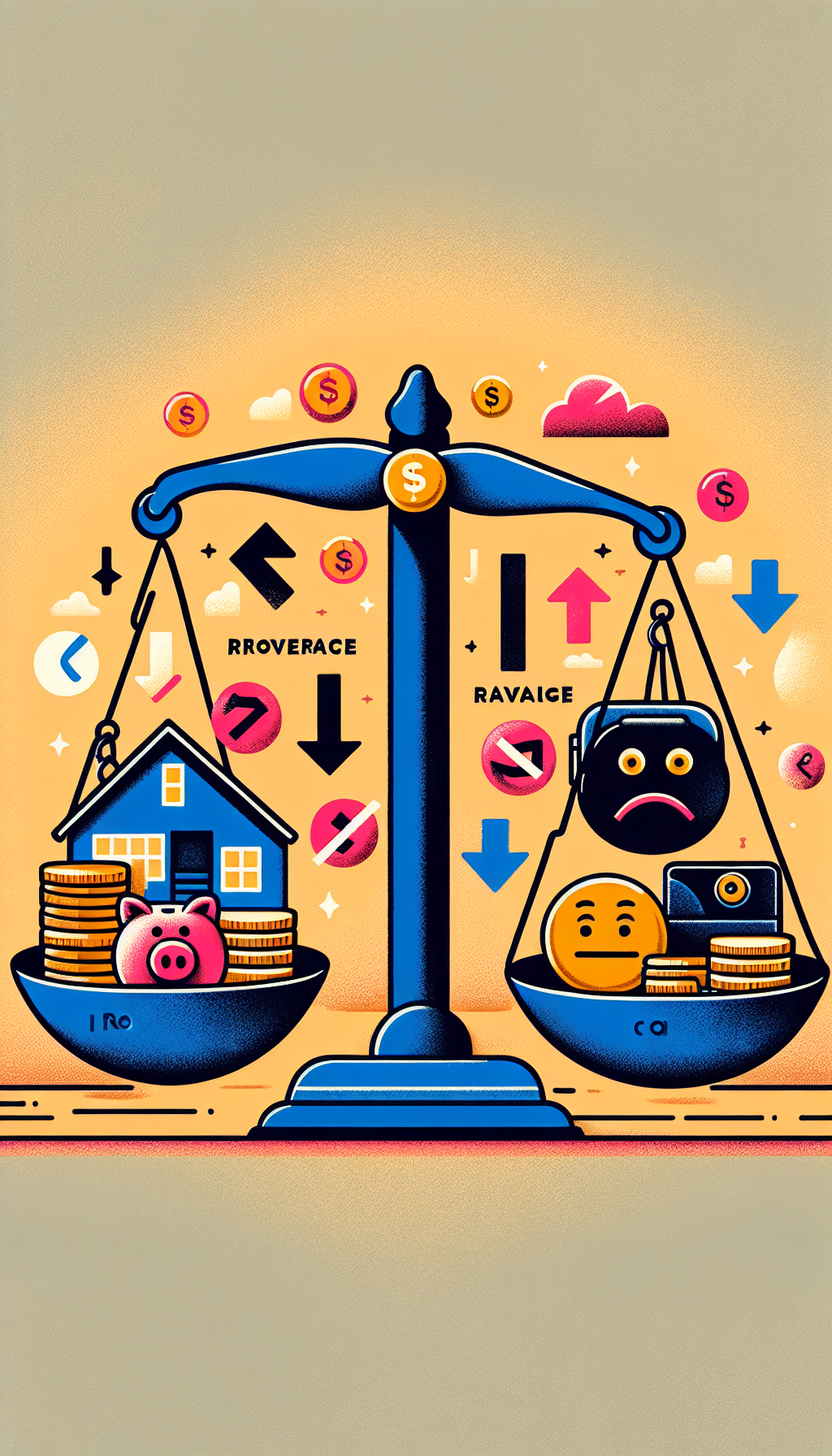
Understanding Reverse Mortgage Lines of Credit
A reverse mortgage line of credit (HECM for Home Equity Conversion Mortgage) is a financial product designed primarily for seniors aged 62 and older. It allows homeowners to convert a portion of their home equity into cash while retaining ownership of their property. Unlike traditional home equity loans, borrowers are not required to make monthly payments; instead, the loan is repaid when the homeowner moves out, sells the home, or passes away. This can provide a financial buffer for retirees seeking to supplement their income, cover healthcare costs, or fund other expenses in their later years.
Pros of Reverse Mortgage Lines of Credit
One of the most significant advantages of a reverse mortgage line of credit is the flexibility it offers. Borrowers can access funds as needed, rather than receiving a lump sum. This can be particularly beneficial for managing unexpected expenses, such as medical bills or home repairs.
Additionally, the funds obtained from a reverse mortgage line of credit are typically tax-free, providing a financial advantage for retirees who may be concerned about their tax liabilities. Borrowers can use the money for various purposes, including paying off existing debts, covering living expenses, or making home improvements.
Another key benefit is that the line of credit grows over time. The amount available to borrow increases as the home appreciates in value, and the borrower does not have to make payments on the loan while living in the home. This can be a powerful tool for financial planning, as it allows seniors to maintain their lifestyle without the burden of monthly mortgage payments.
Cons of Reverse Mortgage Lines of Credit
Despite the benefits, reverse mortgage lines of credit come with several drawbacks. One major concern is the cost associated with obtaining one. Closing costs, mortgage insurance premiums, and service fees can add up quickly, potentially eating into the equity that homeowners are trying to access.
Another downside is that, while the line of credit can provide financial relief, it also reduces the amount of equity in the home. This can affect the inheritance left to heirs, as the loan must be repaid when the homeowner passes away or sells the home. Therefore, families should consider the long-term implications of this financial decision.
Furthermore, borrowers are still responsible for maintaining their property, paying property taxes, and keeping homeowner’s insurance up to date. Failure to meet these obligations can lead to foreclosure, even though the borrower does not make monthly mortgage payments. This requirement can be a source of stress for seniors who may be on a fixed income.
Who Should Consider a Reverse Mortgage Line of Credit?
A reverse mortgage line of credit may be suitable for seniors who have significant home equity and are looking for ways to enhance their cash flow during retirement. It can also be beneficial for those who wish to age in place without the financial burden of monthly mortgage payments. However, it is crucial for potential borrowers to fully understand the implications of such a decision, including the costs involved and the impact on their estate.
Consulting with a financial advisor or a housing counselor can provide valuable insights and help seniors make informed choices. Analyzing personal financial situations and discussing long-term goals can aid in determining whether a reverse mortgage line of credit aligns with their needs.
Conclusion
A reverse mortgage line of credit can be a powerful financial tool for seniors looking to leverage their home equity. The flexibility and potential tax benefits are appealing, but potential borrowers must weigh these advantages against the costs and long-term implications. Understanding both the pros and cons is essential for making an informed decision that aligns with one’s financial goals and retirement plans. Ultimately, this financial product may be a good fit for some, while others may find it unsuitable for their circumstances.