
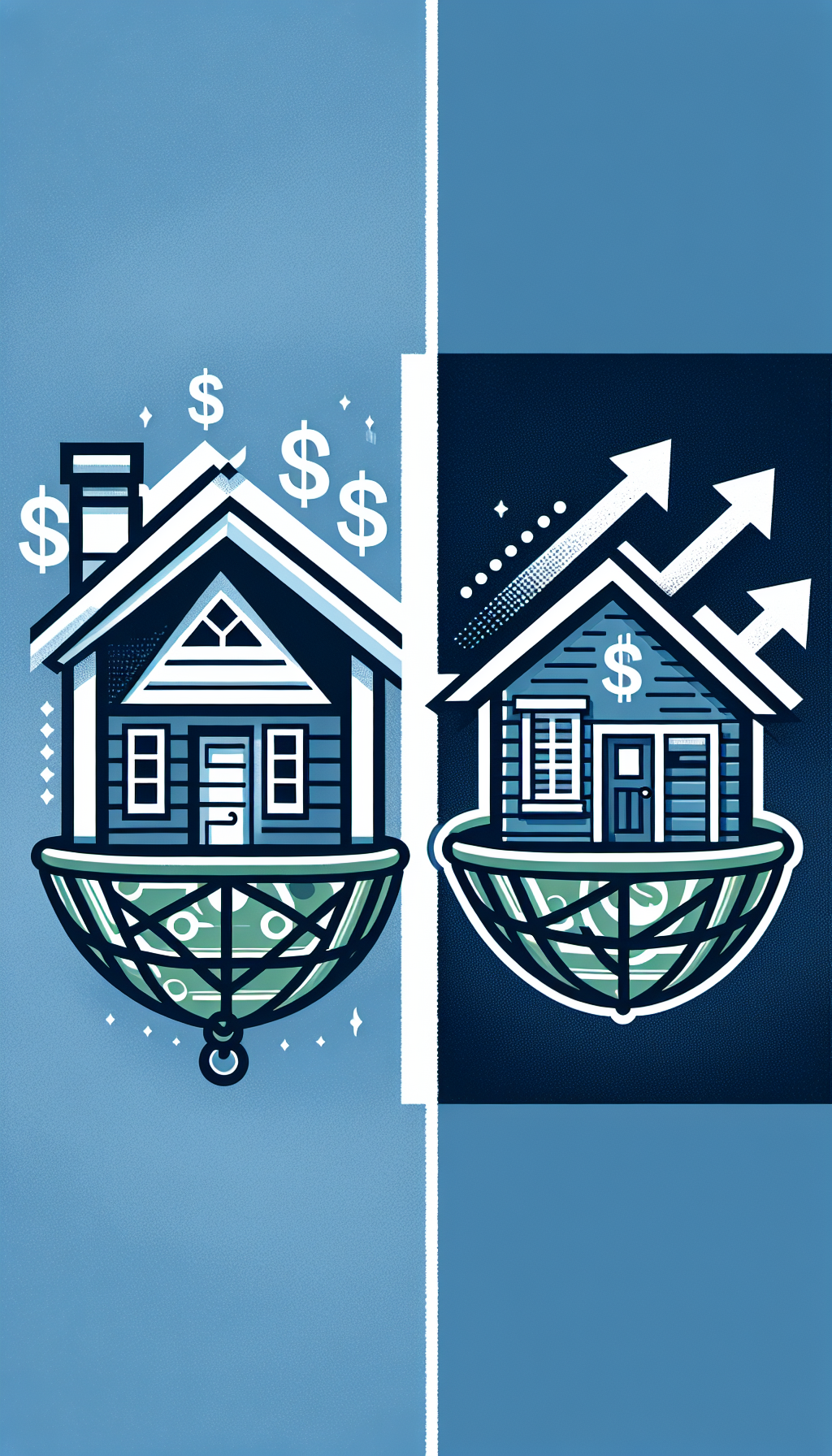
Understanding Reverse Mortgage Lines of Credit
A reverse mortgage line of credit (HECM) is a financial product primarily designed for homeowners aged 62 and older. This type of loan allows seniors to convert a portion of their home equity into cash without having to sell their home or make monthly mortgage payments. Instead of the borrower making payments to the lender, the lender pays the borrower, which can be particularly beneficial for retirees looking to supplement their income or manage unexpected expenses.
The key feature of a reverse mortgage line of credit is that it provides flexibility. Borrowers can draw on the line of credit as needed, much like a credit card, allowing them to access funds for various purposes, such as home renovations, medical expenses, or daily living costs. Additionally, the line of credit grows over time, meaning that the available credit limit increases as the homeowner continues to live in the home.
Exploring Traditional Loans
Traditional loans, such as home equity loans or conventional mortgages, function quite differently from reverse mortgage lines of credit. These loans typically require regular monthly payments and are available to a wider range of borrowers, regardless of age. Traditional loans often require income verification, a good credit score, and a stable employment history.
Home equity loans allow homeowners to borrow against the equity in their homes, providing a lump sum that must be repaid with interest over a fixed term. On the other hand, conventional mortgages are used to purchase a home and involve a monthly repayment structure that includes both principal and interest.
The primary benefit of traditional loans is that they can be a source of financing for younger homeowners or those with a steady income. They also generally come with lower interest rates compared to reverse mortgages, making them a more affordable option for many borrowers.
Key Differences Between Reverse Mortgage Lines of Credit and Traditional Loans
One of the most significant differences between reverse mortgage lines of credit and traditional loans is the repayment structure. Reverse mortgages do not require repayment until the homeowner moves out of the home, passes away, or sells the property, whereas traditional loans require regular payments that can strain a borrower’s finances if they are on a fixed income.
Additionally, reverse mortgages are non-recourse loans, meaning that borrowers or their heirs will never owe more than the home’s value at the time of repayment. This feature provides a safety net for homeowners, ensuring that they will not be burdened with debt that exceeds their home’s worth. In contrast, traditional loans carry the risk of foreclosure if the borrower defaults on payments.
Another distinction is eligibility. While reverse mortgages are restricted to seniors, traditional loans are available to a broader audience, including younger borrowers who may have different financial needs and goals.
When to Consider Each Option
Deciding between a reverse mortgage line of credit and a traditional loan ultimately depends on individual circumstances and financial needs. Seniors who wish to access their home equity without incurring monthly payments may find a reverse mortgage line of credit appealing, particularly if they have limited income and need funds for living expenses or healthcare.
Conversely, younger homeowners with stable incomes may benefit more from traditional loans, which can provide funds for home improvements, debt consolidation, or other significant expenses while allowing for manageable repayment terms.
It’s crucial for potential borrowers to evaluate their financial situation, long-term goals, and the implications of each loan type. Consulting with a financial advisor or a housing counselor can help individuals make informed decisions that align with their needs and circumstances.
Conclusion
Both reverse mortgage lines of credit and traditional loans offer valuable options for accessing home equity, but they serve different demographics and financial situations. Understanding the nuances between these products is essential for homeowners considering their financing options. By carefully weighing the benefits and drawbacks of each, borrowers can make informed choices that will support their financial well-being now and in the future.