
Understanding Reverse Mortgages
A reverse mortgage is a financial product designed primarily for homeowners aged 62 and older, allowing them to convert a portion of their home equity into cash. Unlike traditional mortgages, where homeowners make monthly payments to a lender, a reverse mortgage pays the homeowner. The loan is repaid only when the homeowner sells the house, moves out, or passes away. This arrangement can provide significant financial benefits for retirees who are looking to supplement their income, but it also comes with its own set of challenges and risks.
How Reverse Mortgages Work
To qualify for a reverse mortgage, homeowners must meet certain criteria, including being at least 62 years old, living in the home as their primary residence, and having sufficient equity in the property. The amount available to borrow depends on several factors, including the homeowner’s age, the home’s value, and current interest rates. Homeowners can choose to receive the funds as a lump sum, monthly payments, or a line of credit, providing flexibility in how they access their home equity.
Once the reverse mortgage is established, the homeowner does not have to make monthly mortgage payments. Instead, the loan balance increases over time as interest accrues on the amount borrowed. While this can be advantageous for cash flow, it also means that the homeowner’s equity decreases, which can impact their financial situation in the long run.
Pros of Reverse Mortgages
One of the most significant advantages of a reverse mortgage is the ability to access cash without having to sell the home. This can provide financial relief for retirees who may be living on a fixed income, allowing them to cover expenses such as healthcare, home renovations, or daily living costs. Additionally, because homeowners do not have to make monthly payments, they can maintain their cash flow and use their income for other purposes.
Another benefit is that the funds received from a reverse mortgage are typically tax-free, as they are considered loan proceeds rather than income. This can help retirees manage their finances more effectively without incurring additional tax liabilities. Furthermore, reverse mortgages are non-recourse loans, meaning that borrowers will never owe more than the home’s value at the time of repayment, even if the loan balance exceeds that amount.
Cons of Reverse Mortgages
Despite the benefits, reverse mortgages come with several drawbacks that potential borrowers should consider. One major concern is the fees and costs associated with these loans, which can be substantial. Closing costs, origination fees, and mortgage insurance premiums can add up, potentially reducing the overall amount of equity available to the homeowner.
Additionally, because the loan balance grows over time, homeowners may find themselves with significantly less equity in their homes as time goes on. This can affect their ability to leave an inheritance to their heirs or influence their options if they wish to sell the home in the future. It’s also important to remember that homeowners are still responsible for property taxes, homeowners insurance, and maintenance costs, which can be a financial burden if their income is already limited.
Conclusion: Making an Informed Decision
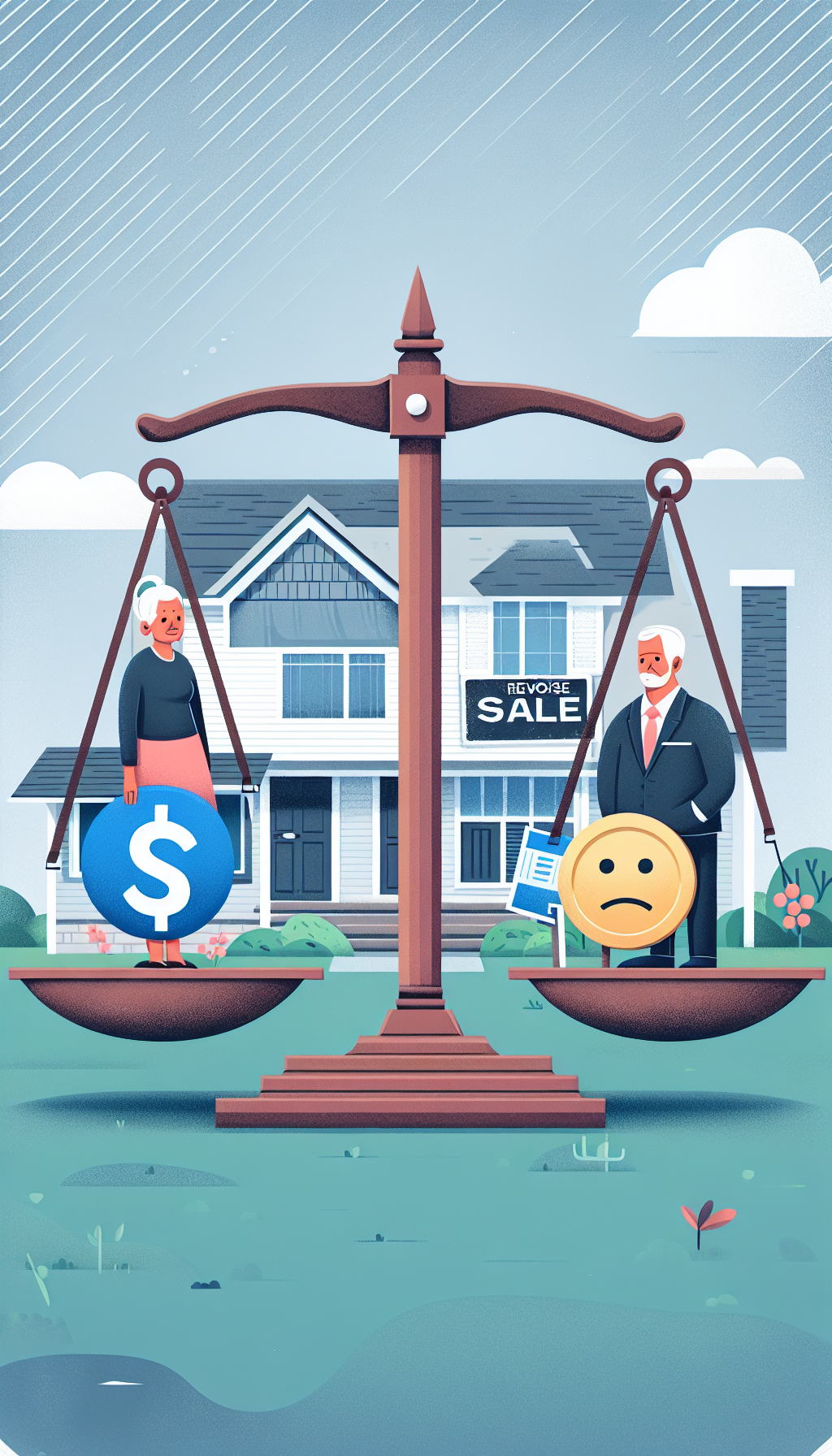
Reverse mortgages can be a useful financial tool for seniors looking to access their home equity and improve their cash flow. However, it’s essential to weigh the pros and cons carefully before proceeding. Homeowners should consider their long-term financial goals, consult with financial advisors, and explore alternative options. Understanding the implications of a reverse mortgage can help seniors make informed decisions that align with their needs and circumstances.