
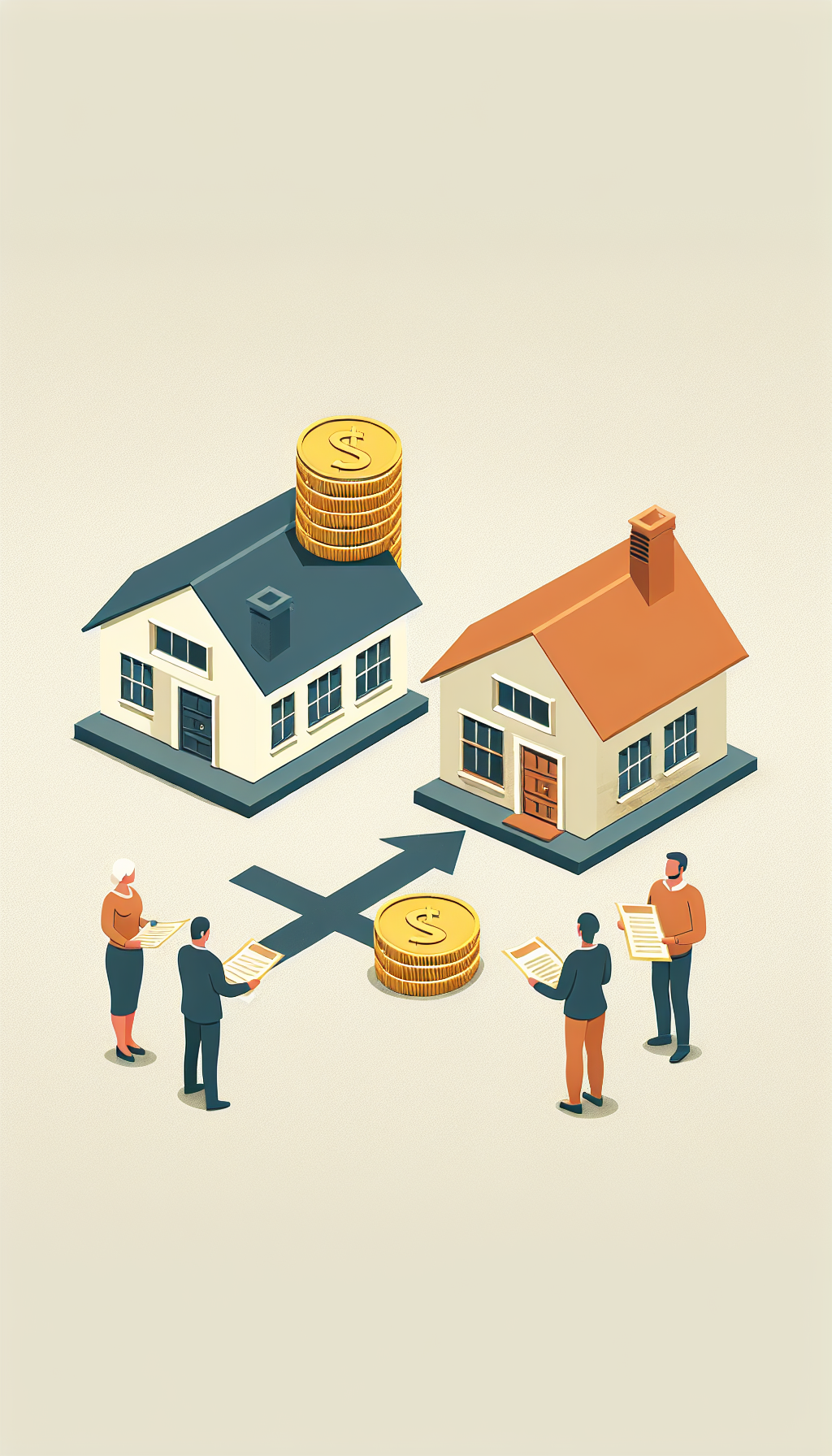
Understanding Reverse Mortgages
A reverse mortgage is a financial product designed primarily for homeowners aged 62 and older, allowing them to convert a portion of their home equity into cash. Unlike a traditional mortgage, where homeowners make monthly payments to the lender, a reverse mortgage enables homeowners to receive payments from the lender. This arrangement can provide significant financial relief, especially for retirees on fixed incomes. The amount of money a homeowner can access depends on several factors, including their age, the home’s value, and current interest rates.
How Reverse Mortgages Work
In a reverse mortgage, the homeowner borrows against the equity in their home, and the loan is repaid only when the homeowner sells the home, moves out, or passes away. The process begins with the homeowner applying for the loan, which typically requires an appraisal, a financial assessment, and counseling from a HUD-approved counselor. Once approved, homeowners can choose how to receive their funds: as a lump sum, monthly payments, or a line of credit.
The loan amount grows over time, as interest accrues on the unpaid balance. It’s important to note that the homeowner is still responsible for property taxes, homeowners insurance, and maintenance costs. Failure to meet these obligations can result in foreclosure.
Benefits of Reverse Mortgages
Reverse mortgages offer several advantages, particularly for seniors looking to enhance their financial stability in retirement. One of the primary benefits is the ability to access cash without the need to sell the home. This can be particularly beneficial for those who wish to remain in their homes while supplementing their retirement income.
Additionally, reverse mortgage funds can be used for various purposes, including paying off existing mortgages, covering healthcare expenses, or funding home renovations. The flexibility in how the funds can be used adds to the appeal of this financial product, allowing seniors to meet their specific needs.
Who Can Benefit from Reverse Mortgages?
Reverse mortgages can be particularly advantageous for retirees who have significant equity in their homes but may not have sufficient cash flow to cover living expenses. It can serve as a financial tool for those seeking to improve their quality of life during retirement.
Moreover, individuals who wish to age in place can benefit from reverse mortgages by using the funds to make necessary home modifications, ensuring their living environment remains safe and comfortable. Additionally, for those who have high medical expenses or unexpected costs, reverse mortgages can provide a financial cushion.
However, it is crucial for potential borrowers to assess their financial situation carefully and consult with a financial advisor before proceeding with a reverse mortgage. This ensures they fully understand the implications and responsibilities associated with this type of loan.
Conclusion
Reverse mortgages can be a valuable financial option for seniors looking to leverage their home equity to improve their retirement lifestyle. By understanding how reverse mortgages work, their benefits, and who can benefit from them, homeowners can make informed decisions about their financial futures. As with any financial product, thorough research and professional guidance are essential to ensure that reverse mortgages align with individual financial goals and circumstances.