
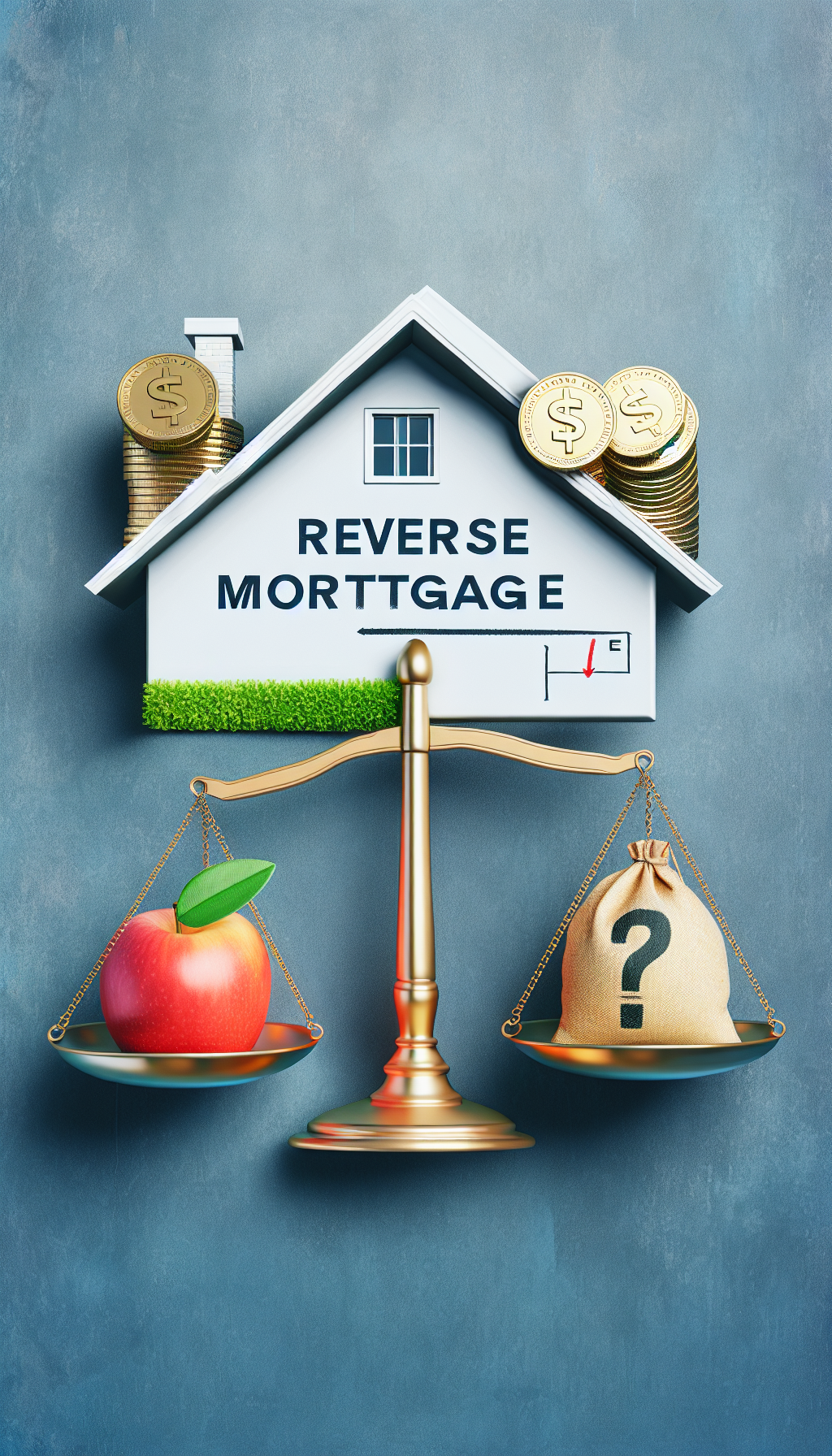
Understanding Reverse Mortgages
Reverse mortgages are financial products that allow homeowners, typically aged 62 and older, to convert part of their home equity into cash. Unlike traditional mortgages, where borrowers make monthly payments to lenders, with a reverse mortgage, the lender pays the homeowner. The loan is repaid only when the homeowner sells the home, moves out, or passes away. This arrangement can provide a valuable source of income for retirees looking to supplement their retirement savings, but it also comes with specific risks and considerations.
How Reverse Mortgages Work
In a reverse mortgage, homeowners borrow against the equity in their home. The amount they can borrow depends on several factors, including their age, the value of the home, and current interest rates. The funds can be disbursed in various forms: as a lump sum, monthly payments, or a line of credit. Importantly, the homeowner retains ownership of the home and is not required to make monthly mortgage payments. However, they must continue to pay property taxes, homeowners insurance, and maintain the home.
Benefits of Reverse Mortgages
One of the primary benefits of reverse mortgages is that they provide retirees with access to cash without requiring them to sell their home. This can be particularly advantageous for those who wish to remain in their homes while alleviating financial stress. The funds from a reverse mortgage can be used for various purposes, such as covering medical expenses, supplementing retirement income, or even funding home improvements.
Additionally, reverse mortgages can help homeowners avoid tapping into their retirement savings, allowing those funds to continue to grow. This can be a strategic financial decision, particularly in a fluctuating market where investments may not yield expected returns.
Considerations and Risks
Despite their benefits, reverse mortgages come with notable risks and considerations. One significant concern is that they can erode the equity in the home over time. As interest accrues on the loan, the amount owed can increase, potentially leaving less for heirs. Furthermore, if the homeowner does not meet the obligations of the loan—such as maintaining the property or paying taxes—lenders can foreclose on the home.
Another critical factor to consider is the costs associated with reverse mortgages. Borrowers often face high upfront fees, including origination fees, closing costs, and mortgage insurance premiums. These costs can reduce the overall benefit of the reverse mortgage and should be carefully evaluated.
Is a Reverse Mortgage a Viable Option for Home Buyers?
While reverse mortgages are primarily designed for retirees looking to access their home equity, they can also be considered by home buyers in specific situations. For example, the Home Equity Conversion Mortgage for Purchase (HECM for Purchase) program allows eligible seniors to buy a new primary residence using a reverse mortgage. This option can enable retirees to downsize or relocate while retaining the benefits of a reverse mortgage.
However, potential home buyers must approach this option with caution. It is essential to understand the long-term implications of using a reverse mortgage to purchase a home. Buyers should consider their future housing needs, the potential for increased debt, and the overall impact on their financial health.
Conclusion
Reverse mortgages can serve as a viable financial tool for certain homeowners and retirees, providing access to cash without the need to sell their homes. However, they are not without risks and should be approached with thorough understanding and caution. For home buyers, particularly seniors, a reverse mortgage can be an effective way to purchase a new home, but it is crucial to weigh the benefits against the potential drawbacks. Consulting with a financial advisor can help individuals make informed decisions that align with their long-term financial goals.