
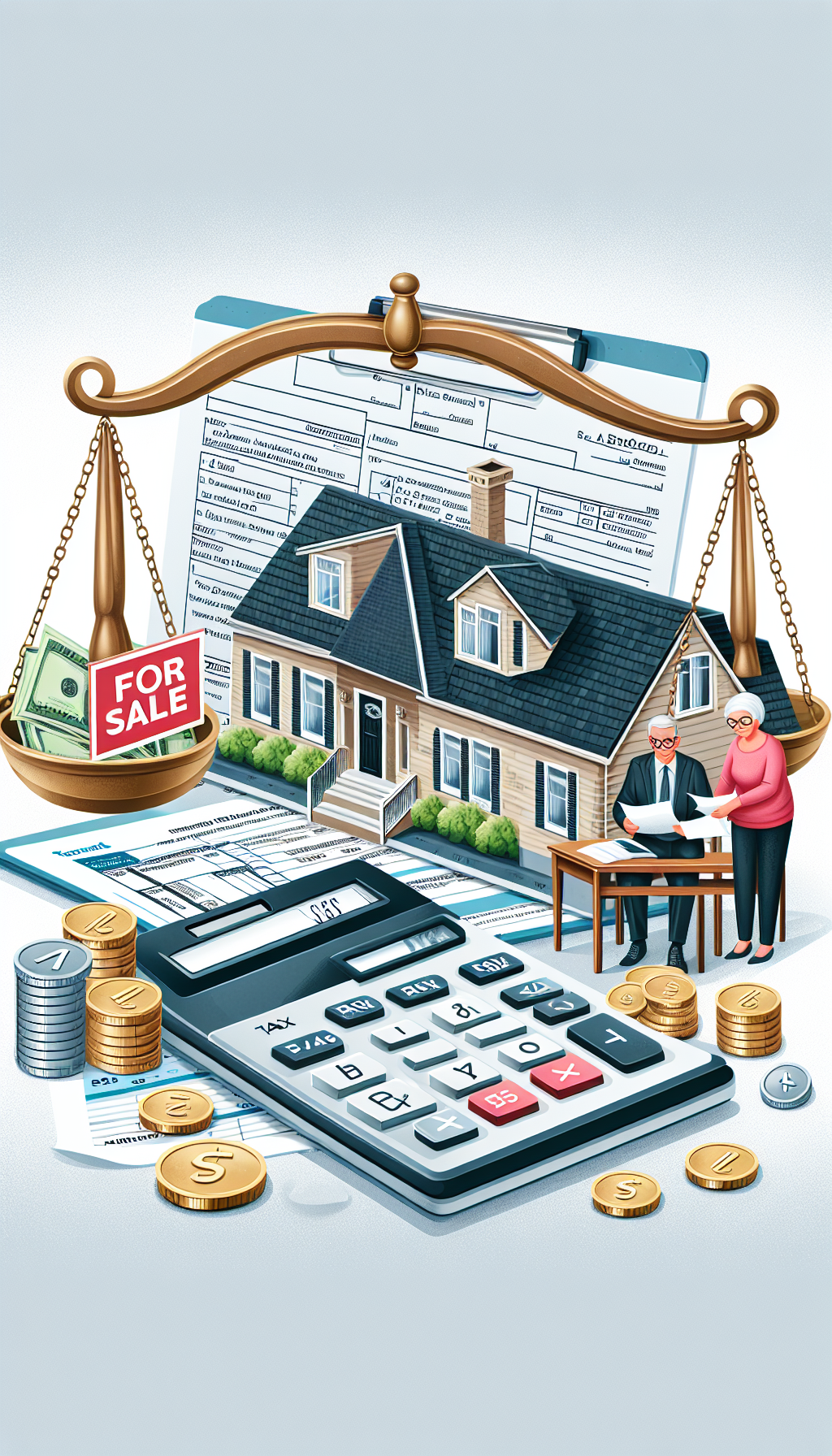
Understanding Reverse Mortgages
Reverse mortgages are financial products designed primarily for homeowners aged 62 or older, allowing them to convert part of their home equity into cash. Unlike traditional mortgages, where the borrower makes monthly payments to the lender, a reverse mortgage allows the lender to make payments to the homeowner. This financial tool is often used by retirees to supplement their income, cover healthcare costs, or fund other expenses without the need to sell their home. The loan is repaid when the homeowner sells the house, moves out, or passes away.
Types of Reverse Mortgages
There are three main types of reverse mortgages: Home Equity Conversion Mortgages (HECMs), proprietary reverse mortgages, and single-purpose reverse mortgages. HECMs are federally insured and the most common type, offering significant consumer protections. Proprietary reverse mortgages are private loans backed by individual lenders, often providing higher loan amounts for more expensive homes. Single-purpose reverse mortgages are offered by some state and local government agencies and non-profits, but their use is limited to specific purposes, such as home repairs or property taxes.
Tax Implications of Reverse Mortgages
One of the most significant advantages of reverse mortgages is that the proceeds are generally not considered taxable income. Homeowners can receive funds without incurring tax liabilities, allowing them to use the money for various expenses, such as medical bills, home renovations, or living expenses. However, while the funds themselves are tax-free, it is essential to understand that the interest on the reverse mortgage does accumulate over time and is not tax-deductible until it is paid.
Impact on Property Taxes
Homeowners with reverse mortgages remain responsible for paying property taxes, homeowners insurance, and maintaining the property. Failing to meet these obligations can lead to foreclosure. It is crucial for borrowers to budget for these ongoing expenses to prevent any financial strain. Additionally, some states offer tax deferral programs for seniors, which may help alleviate the burden of property taxes.
Effects on Inheritance and Estate Planning
Reverse mortgages can have significant implications for estate planning and inheritance. When a homeowner passes away or moves out of the home, the reverse mortgage must be repaid, typically by selling the property. This repayment can reduce the inheritance left to heirs. It’s essential for homeowners considering a reverse mortgage to discuss their plans with family members and financial advisors to understand the potential impact on their estate.
Considerations Before Obtaining a Reverse Mortgage
Before obtaining a reverse mortgage, homeowners should carefully consider their financial situation, long-term goals, and the implications of the loan. It’s advisable to consult with a financial advisor or a HUD-approved housing counselor to ensure that a reverse mortgage aligns with individual needs and circumstances. Homeowners should also compare different types of reverse mortgages to find the best option for their financial situation.
Conclusion
Reverse mortgages can be a valuable financial tool for seniors looking to access their home equity without the burden of monthly payments. Understanding the tax implications and responsibilities associated with these loans is crucial for making informed decisions. By considering their financial goals and consulting with professionals, homeowners can navigate the complexities of reverse mortgages and ensure they make the best choice for their circumstances.