
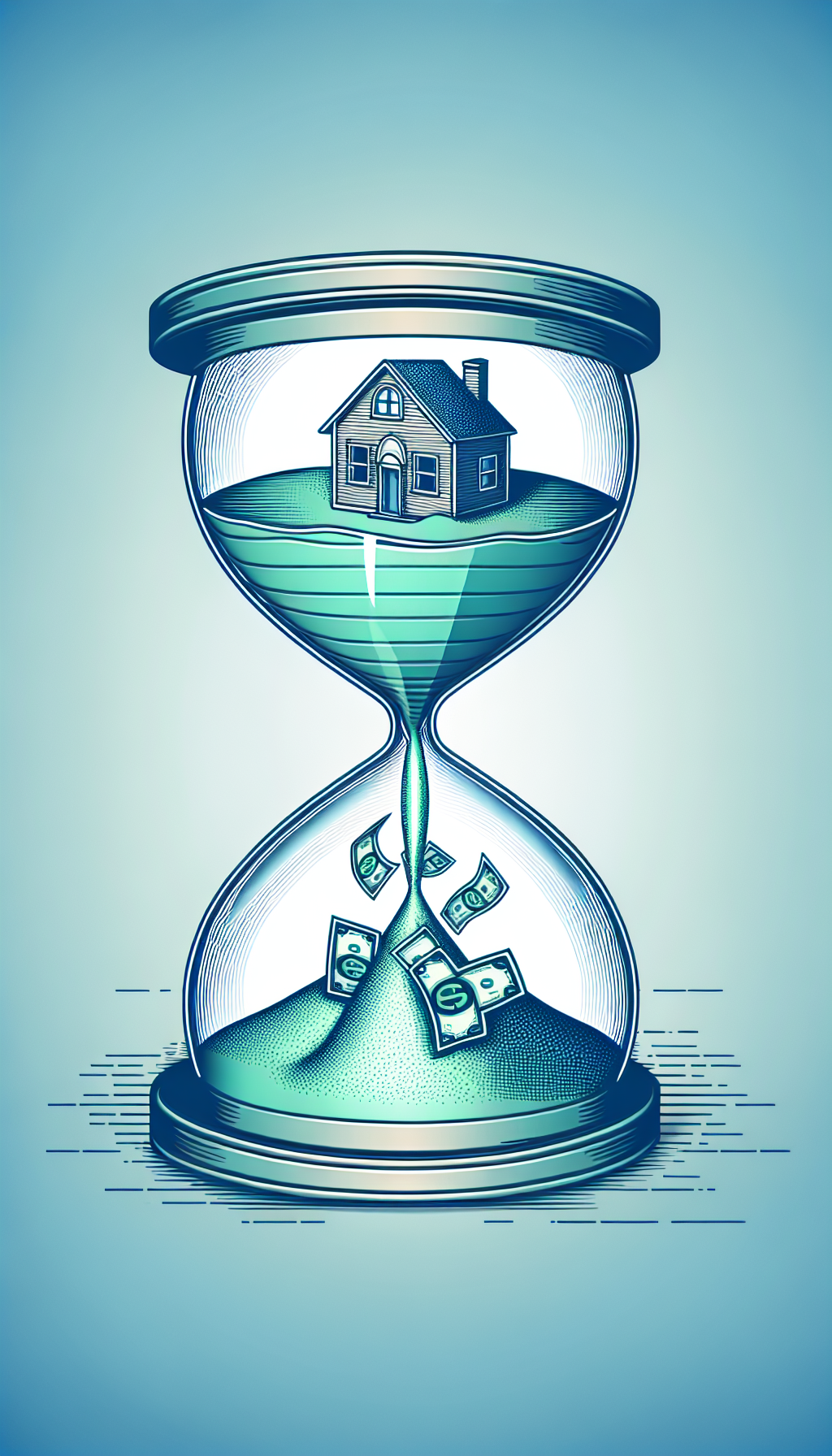
Understanding Reverse Mortgages
A reverse mortgage is a financial product designed primarily for homeowners aged 62 and older, allowing them to convert a portion of their home equity into cash without having to sell their home. Unlike a traditional mortgage where the borrower makes monthly payments to the lender, with a reverse mortgage, the lender pays the homeowner. The loan is typically repaid when the homeowner moves out of the house, sells it, or passes away. This type of mortgage can be an appealing option for retirees looking for additional income during their retirement years, but it’s essential to understand the duration and repayment aspects of reverse mortgages.
Duration of a Reverse Mortgage
The duration of a reverse mortgage generally lasts as long as the borrower continues to live in the home, maintains the property, and pays property taxes and homeowners insurance. This means that as long as the borrower is alive and meets these basic requirements, they can continue to access the funds available through the reverse mortgage. The loan does not require monthly repayments, allowing homeowners to tap into their home equity without the immediate financial burden of repayment.
However, the reverse mortgage will become due and payable when certain events occur. These events include the death of the last surviving borrower, the sale of the home, or if the borrower no longer occupies the home as their primary residence for a consecutive period of 12 months. Additionally, if the borrower fails to maintain the property or meet tax and insurance obligations, the lender has the right to call the loan due.
Repayment of a Reverse Mortgage
Repayment of a reverse mortgage typically occurs upon the triggering of one of the events mentioned above. When the loan becomes due, the borrower or their heirs must repay the amount owed to the lender. This can be done in several ways, including selling the home to cover the loan balance, refinancing the reverse mortgage into a traditional mortgage, or using other assets to pay off the debt.
One aspect of reverse mortgages that potential borrowers should understand is that the amount owed can grow significantly over time, as interest accrues on the loan balance. Since borrowers are not making monthly payments, the loan balance increases, which may affect the amount of equity remaining in the home when it is sold or inherited.
If the home is sold, any remaining equity after paying off the reverse mortgage can be distributed to the homeowner or their heirs. In the event that the home sells for less than the amount owed on the reverse mortgage, the Federal Housing Administration (FHA) insurance will cover the difference, protecting the borrower and their heirs from owing more than the home’s value.
Considerations Before Taking a Reverse Mortgage
Before deciding on a reverse mortgage, it’s crucial for homeowners to consider their long-term financial situation and goals. While reverse mortgages can provide immediate financial relief and support during retirement, they can also affect inheritance plans and the overall equity available in the home. Consulting with a financial advisor or a housing counselor can provide valuable insights and help homeowners make informed decisions.
Additionally, potential borrowers should be aware of the fees and costs associated with reverse mortgages, including origination fees, closing costs, and ongoing mortgage insurance premiums. Understanding these costs upfront can help homeowners assess the total financial impact of obtaining a reverse mortgage.
Conclusion
Reverse mortgages can be a beneficial financial tool for seniors looking to supplement their retirement income. Understanding the duration of the loan and the repayment process is essential for making informed choices. Homeowners should weigh the advantages and disadvantages, consider their future plans, and seek professional guidance to ensure that a reverse mortgage aligns with their financial goals. With careful consideration, a reverse mortgage can provide the necessary funds to enhance quality of life during retirement while maintaining the comfort of homeownership.