
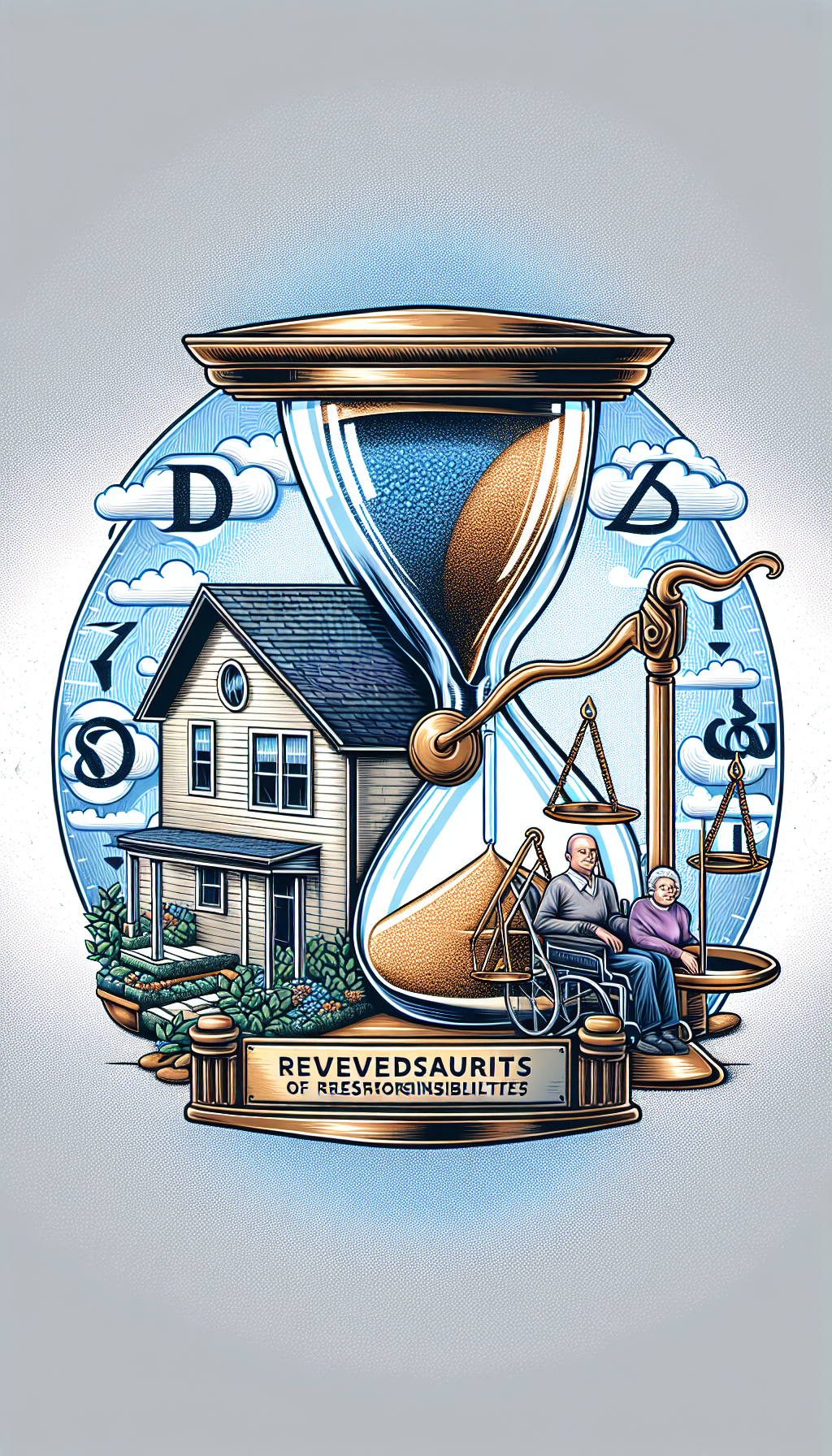
Understanding Reverse Mortgages
A reverse mortgage is a financial product designed primarily for older homeowners, allowing them to convert a portion of their home equity into cash. This can be particularly beneficial for retirees who may need additional income to support their lifestyle or cover unexpected expenses. Unlike traditional mortgages, where borrowers make monthly payments to the lender, in a reverse mortgage, the lender makes payments to the homeowner. The loan is repaid only when the homeowner sells the home, moves out, or passes away.
Duration of Benefits
The benefits of a reverse mortgage can last for a significant period, depending on the homeowner’s circumstances and the type of reverse mortgage obtained. Generally, the duration of benefits is tied to the lifespan of the homeowner. As long as the homeowner continues to live in the home and meets the necessary obligations, such as paying property taxes, homeowners insurance, and maintaining the property, the benefits can last indefinitely.
Homeowners have several options for receiving their reverse mortgage funds, including a lump sum, monthly payments, or a line of credit. The choice made can influence the duration of benefits. For instance, a line of credit can grow over time, providing a longer-lasting source of funds, while a lump sum may deplete more quickly.
Responsibilities of Homeowners
While reverse mortgages offer significant benefits, they also come with responsibilities that homeowners must understand and manage. One of the primary obligations is to continue living in the home as their primary residence. If the homeowner moves out for an extended period, the loan may become due.
Homeowners are also responsible for maintaining the property, which includes making necessary repairs and keeping the home in good condition. This responsibility extends to ensuring the home remains safe and habitable. Additionally, homeowners must stay current on property taxes and homeowners insurance. Failure to meet these obligations can lead to foreclosure, as the lender has the right to call the loan due if the homeowner defaults.
Impact on Heirs and Estate Planning
One of the crucial considerations surrounding reverse mortgages is their impact on heirs and estate planning. When the homeowner passes away, the reverse mortgage becomes due, and the heirs must either pay off the loan or sell the home to satisfy the debt. This can significantly affect the inheritance that heirs might expect.
It is essential for homeowners to communicate with their family about their reverse mortgage and its implications for estate planning. Clear discussions can help manage expectations and facilitate better decision-making regarding the home and its equity.
Conclusion
Reverse mortgages can provide valuable financial assistance for retirees, but they come with their own set of responsibilities and considerations. Understanding the duration of benefits and the obligations of homeownership is crucial for anyone considering this option. Homeowners should weigh their needs, discuss their plans with family members, and consider consulting a financial advisor to ensure they make informed decisions about their future and legacy. By doing so, they can maximize the advantages of a reverse mortgage while safeguarding their financial well-being and that of their heirs.