
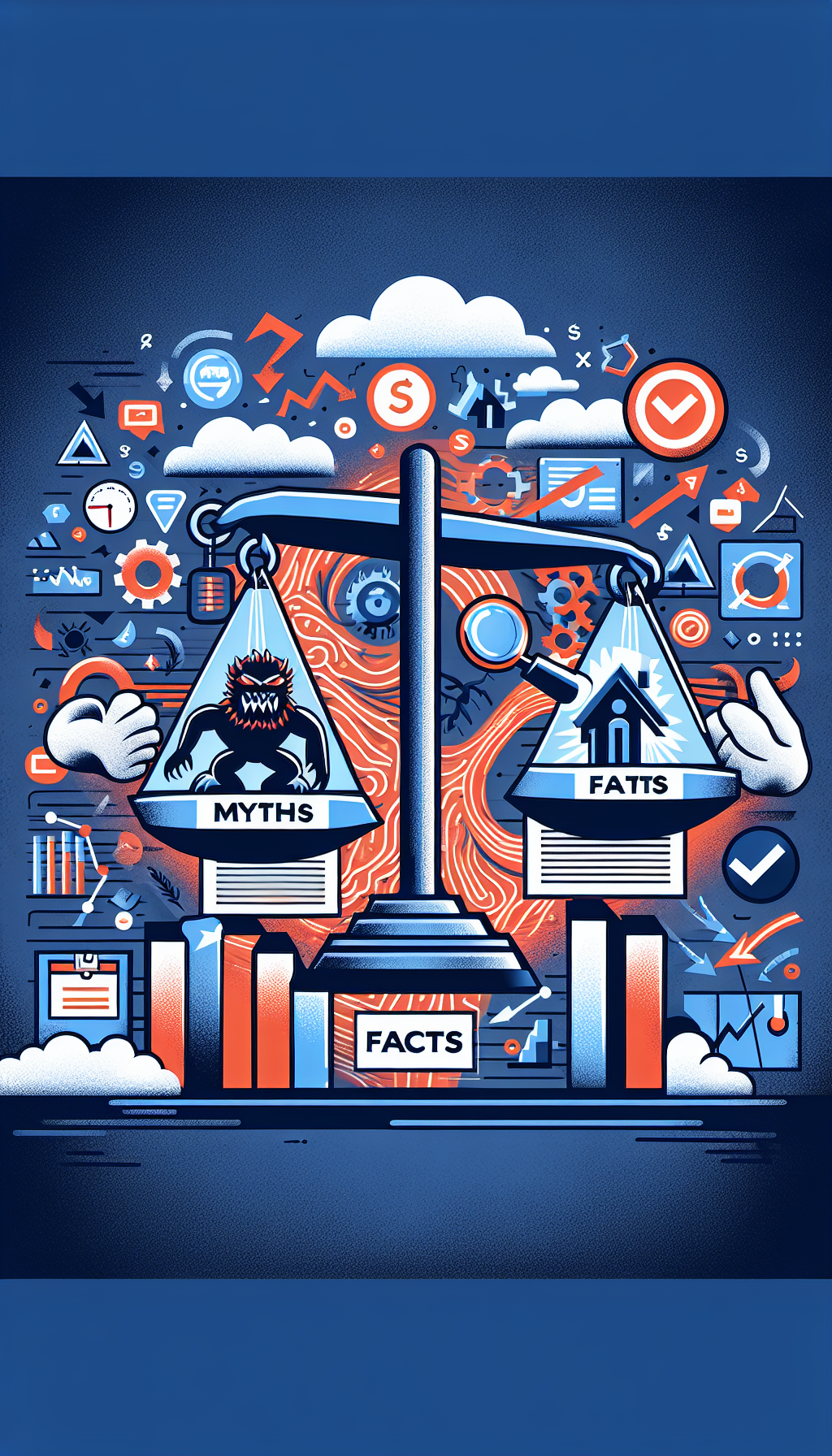
Understanding Reverse Mortgages
Reverse mortgages are financial products designed primarily for seniors looking to access the equity in their homes without having to sell them. With a reverse mortgage, homeowners can receive funds based on the value of their property while retaining ownership. This arrangement can provide a valuable source of income for retirees, but it is often surrounded by misconceptions, particularly regarding credit scores.
Myth: A Good Credit Score is Required for a Reverse Mortgage
One of the most pervasive myths about reverse mortgages is that applicants must have a good credit score to qualify. While traditional mortgages often require rigorous credit checks, reverse mortgages have different criteria. The Federal Housing Administration (FHA) oversees Home Equity Conversion Mortgages (HECMs), the most common type of reverse mortgage. While a good credit score may improve your chances of securing better terms, it is not an absolute requirement.
Instead, the primary focus is on the homeowner’s ability to maintain the property, pay property taxes, and cover homeowners insurance. Lenders may conduct a financial assessment to ensure that applicants can manage these responsibilities, but a high credit score is not a deal-breaker.
Myth: Poor Credit Will Automatically Disqualify You
Another common misconception is that having poor credit will automatically disqualify a homeowner from obtaining a reverse mortgage. While lenders do consider credit history as part of their assessment, it does not carry the same weight as it does in conventional loans.
For individuals with less-than-ideal credit, lenders may request additional documentation or may impose requirements such as setting aside funds for property taxes and insurance. This means that even those with poor credit may still have options, especially if they can demonstrate their ability to manage ongoing costs associated with homeownership.
Fact: Credit Scores Can Impact Loan Terms
While credit scores may not be the primary factor in qualifying for a reverse mortgage, they can influence the terms of the loan. Homeowners with higher credit scores may be offered better interest rates or more favorable loan conditions. Conversely, those with lower credit scores might face higher costs or additional safeguards, such as mandatory reserves for taxes and insurance.
Thus, while a poor credit score won’t necessarily disqualify you, it can impact how much you can borrow and the overall cost of the loan. It is always a good idea to review and improve your credit score before applying for a reverse mortgage to potentially secure better terms.
Fact: Financial Assessment is Key
A financial assessment is a critical component of the reverse mortgage process. This assessment evaluates the applicant’s financial situation, including income, debts, and overall financial health. The purpose is to ensure that homeowners can manage the costs of maintaining their home and meeting ongoing obligations, such as property taxes and insurance.
During this assessment, lenders may take into account the applicant’s credit history, but it is just one of many factors. A thorough understanding of the homeowner’s financial situation allows lenders to make informed decisions that protect both the borrower and the integrity of the reverse mortgage program.
Conclusion: Navigating Reverse Mortgages and Credit Scores
Reverse mortgages can be valuable tools for seniors seeking additional income, but understanding the role of credit scores is crucial. While they are not the primary determining factor for eligibility, they can influence loan terms and conditions.
Homeowners should focus on maintaining their financial health and preparing for the financial assessment process. By dispelling myths and understanding the facts, seniors can make informed decisions about whether a reverse mortgage is the right option for their financial situation. As with any financial product, consulting with a qualified advisor can also help clarify options and ensure that homeowners make the best choices for their futures.