
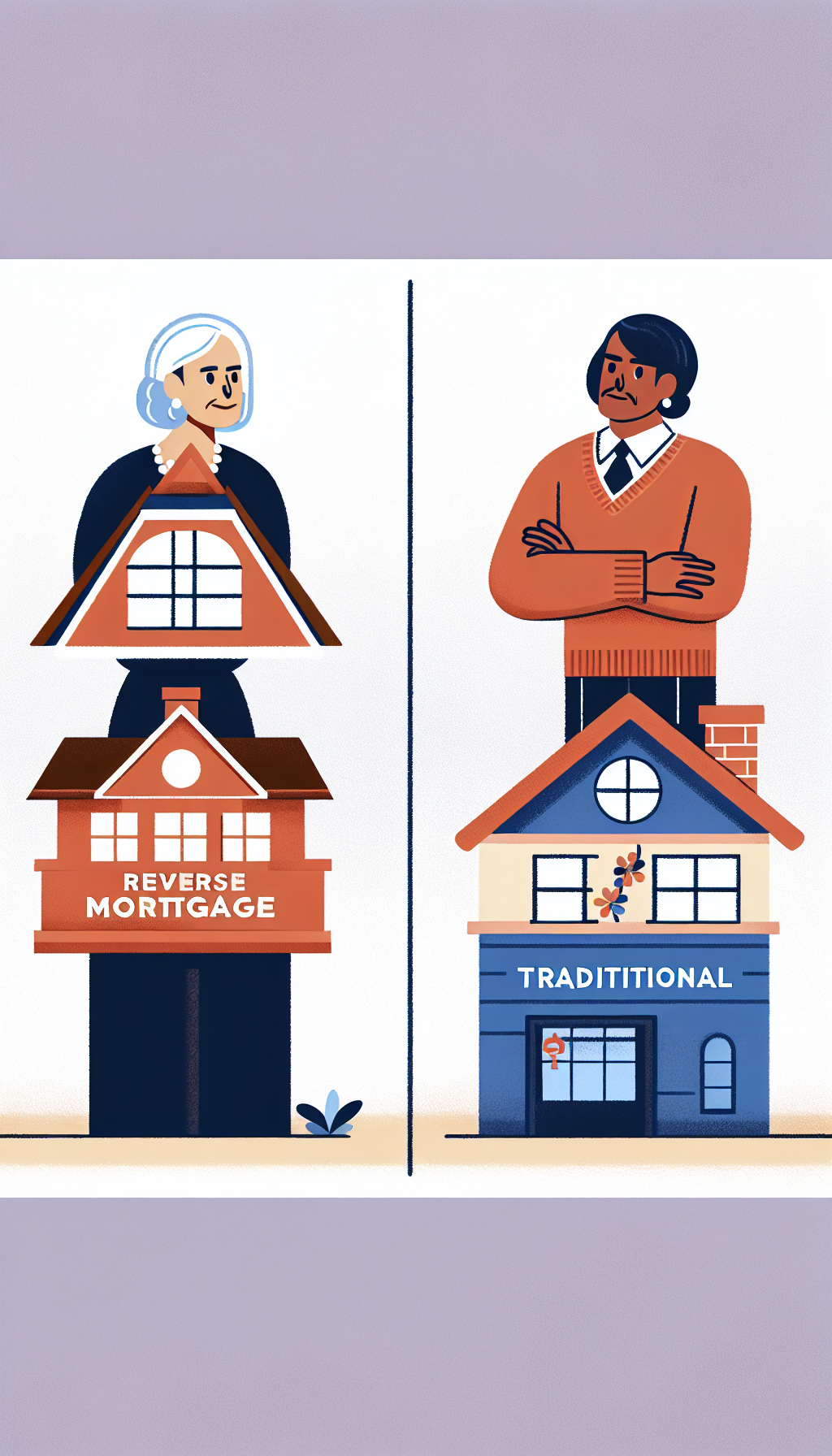
Understanding Reverse Mortgages
Reverse mortgages are financial products specifically designed for seniors, allowing them to convert a portion of their home equity into cash. Unlike traditional loans, where borrowers make monthly payments to the lender, a reverse mortgage pays the homeowner. The loan amount, plus interest and fees, is repaid when the homeowner sells the home, moves out, or passes away. This arrangement can provide seniors with a steady income stream, helping them to cover expenses without the burden of monthly mortgage payments.
To qualify for a reverse mortgage, borrowers must be at least 62 years old, and the home must be their primary residence. The amount of money available through a reverse mortgage depends on several factors, including the homeowner’s age, the home’s appraised value, and current interest rates. One of the significant benefits of a reverse mortgage is that it allows seniors to remain in their homes while accessing the funds they need for retirement or other expenses.
Exploring Traditional Loans
Traditional loans, such as conventional mortgages, require borrowers to make monthly payments that include both principal and interest. These loans are typically used for purchasing a home or refinancing an existing mortgage. Borrowers must demonstrate their ability to repay the loan, which often involves credit checks, income verification, and debt-to-income ratio assessments. Traditional loans can be beneficial for seniors looking to downsize or move into a new home, as they can provide the necessary funding for a purchase.
While traditional loans can offer lower interest rates and more predictable repayment terms, they also require a consistent income stream to support monthly payments. This can be a challenge for many seniors on fixed incomes. Additionally, failing to keep up with payments can lead to foreclosure, which can be a significant risk for older homeowners who may be facing financial difficulties.
Key Differences Between Reverse Mortgages and Traditional Loans
One of the most significant differences between reverse mortgages and traditional loans is the repayment structure. With reverse mortgages, borrowers are not required to make monthly payments, while traditional loans necessitate regular payments to avoid falling into default. This feature makes reverse mortgages appealing to seniors who may struggle to meet monthly financial obligations.
Another difference lies in the qualification process. Traditional loans often require rigorous credit checks and proof of income, while reverse mortgages focus more on the homeowner’s age and equity in the home. This difference can make reverse mortgages more accessible for seniors who may have limited income or poor credit history.
Furthermore, reverse mortgages can impact the homeowner’s estate and inheritance. Since the loan is repaid from the home’s value upon the homeowner’s death or sale, heirs may receive less or even nothing if the home sells for less than the outstanding loan balance. In contrast, with traditional loans, heirs typically retain ownership of the home, provided the mortgage is paid off.
Considerations for Seniors
Seniors considering either a reverse mortgage or a traditional loan should carefully evaluate their financial situation and long-term objectives. Reverse mortgages can provide financial relief and allow seniors to age in place, but they may also limit heirs’ inheritance. It’s essential for seniors to consult with financial advisors or housing counselors to understand the implications fully.
Additionally, understanding the fees associated with both types of loans is crucial. Reverse mortgages often come with higher upfront costs, including mortgage insurance premiums and closing costs. Traditional loans may have lower initial fees but could accrue more interest over time, depending on the loan term and interest rate.
Ultimately, the decision between a reverse mortgage and a traditional loan should be based on individual circumstances, including financial needs, future plans, and family considerations. By weighing the pros and cons of each option, seniors can make informed choices that align with their retirement goals and financial health.