
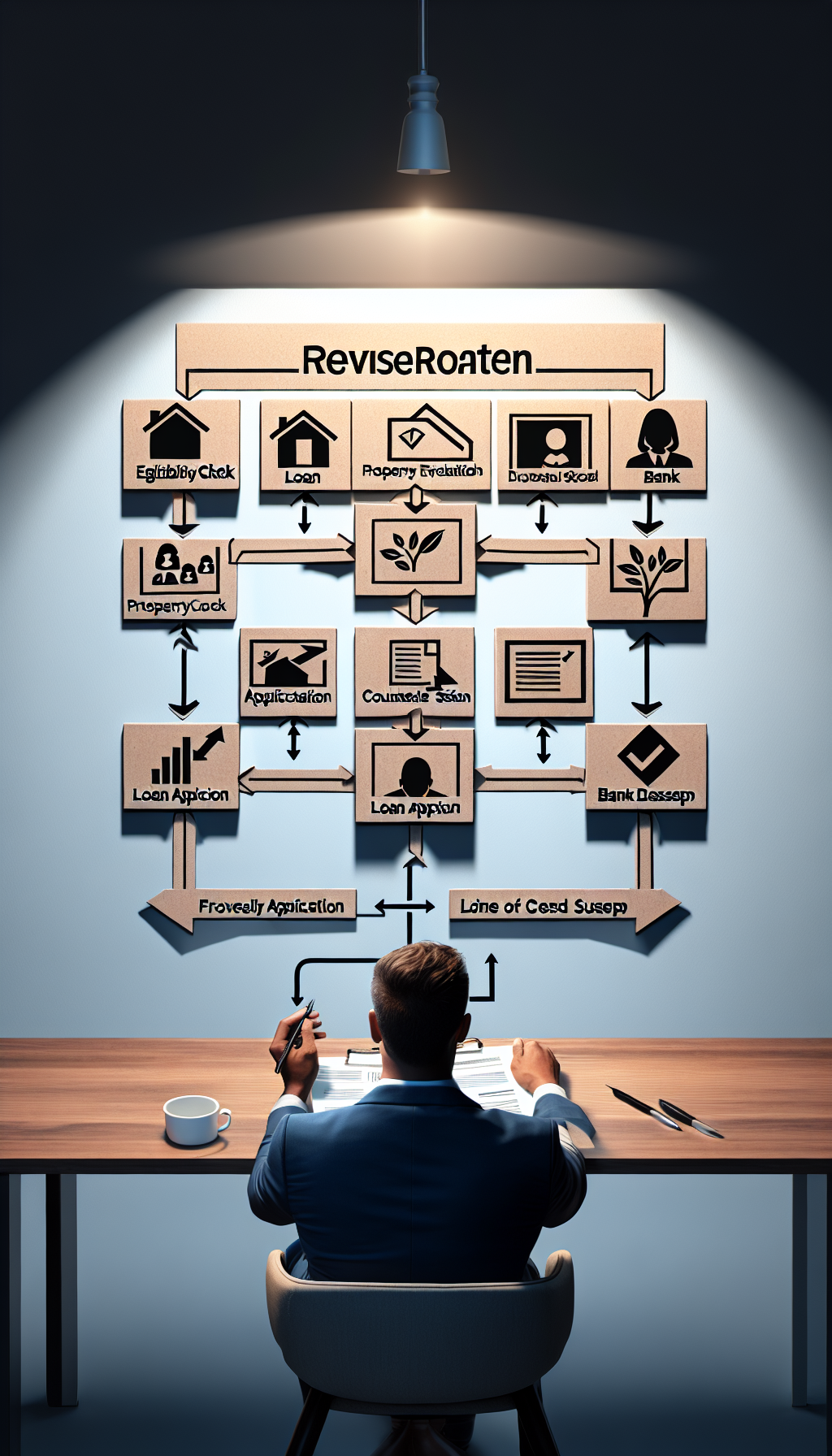
Understanding Reverse Mortgages
A reverse mortgage is a unique financial product that allows homeowners, typically aged 62 and older, to convert a portion of their home equity into cash. Instead of making monthly mortgage payments, the borrower receives funds, which can be used for various purposes such as paying for healthcare, home renovations, or supplementing retirement income. A reverse mortgage line of credit (HECM LOC) is a popular option that provides a flexible way to access equity while allowing the homeowner to maintain ownership of their home.
Assessing Eligibility
Before applying for a reverse mortgage line of credit, it’s essential to determine if you meet the eligibility criteria. The primary requirements include being at least 62 years old, living in the home as your primary residence, and having sufficient equity in your home. Additionally, you must be able to demonstrate the ability to maintain the property, pay property taxes, and homeowners insurance. It is advisable to consult with a financial advisor to ensure that a reverse mortgage aligns with your long-term financial goals.
Researching Lenders
Once you confirm your eligibility, the next step is to research potential lenders. Not all lenders offer the same terms, interest rates, or fees, so it’s vital to shop around. Look for lenders who specialize in reverse mortgages and have good reputations. Reading reviews, checking ratings with the Better Business Bureau, and asking for recommendations from friends or family can help identify trustworthy lenders.
Gathering Necessary Documentation
Applying for a reverse mortgage line of credit requires specific documentation. You will need to provide proof of age, such as a birth certificate or driver’s license, and evidence of homeownership, which can include your current mortgage statement or property deed. Financial documents such as tax returns, bank statements, and proof of income may also be required. Preparing these documents ahead of time can streamline the application process.
Completing the Counseling Requirement
Before proceeding with your application, you must complete a counseling session with a HUD-approved housing counselor. This session is designed to educate you about reverse mortgages and ensure you understand the implications of the loan. The counselor will explain the financial responsibilities involved, including the need to maintain the home, pay property taxes, and insurance. This step is crucial as it helps protect borrowers from making uninformed decisions.
Submitting the Application
After completing counseling, you can submit your application to your chosen lender. The application will typically require the documentation you gathered earlier. The lender will review your application, verify your information, and assess your home’s value through an appraisal. This process can take several weeks, so patience is essential.
Reviewing Loan Estimates
Once your application is approved, the lender will provide a Loan Estimate (LE), which outlines the terms of the reverse mortgage line of credit. The LE includes information about the interest rate, closing costs, and monthly fees. It is crucial to review these details carefully, as they will affect your financial future. If you have any questions or concerns, don’t hesitate to ask your lender for clarification.
Closing the Loan
If you are satisfied with the terms presented in the Loan Estimate, you can proceed to the closing process. During closing, you will sign several documents to finalize the loan. Be sure to understand each document before signing, as this is a legally binding agreement. After closing, you will have access to your reverse mortgage line of credit, which you can draw upon as needed.
Managing Your Reverse Mortgage Line of Credit
After obtaining a reverse mortgage line of credit, it’s vital to manage it responsibly. Keep track of your withdrawals and ensure you meet the ongoing obligations, such as property maintenance, tax payments, and insurance. Regularly reviewing your financial situation can help you make the most of this financial tool while ensuring you remain compliant with the loan terms.
Conclusion
Obtaining a reverse mortgage line of credit can be a complex process, but by following these steps, you can navigate it more easily. From assessing eligibility to managing your funds responsibly, understanding each stage can help you make informed decisions and effectively utilize the equity in your home. Always consider consulting with financial and housing professionals to ensure that a reverse mortgage line of credit aligns with your financial goals and needs.