
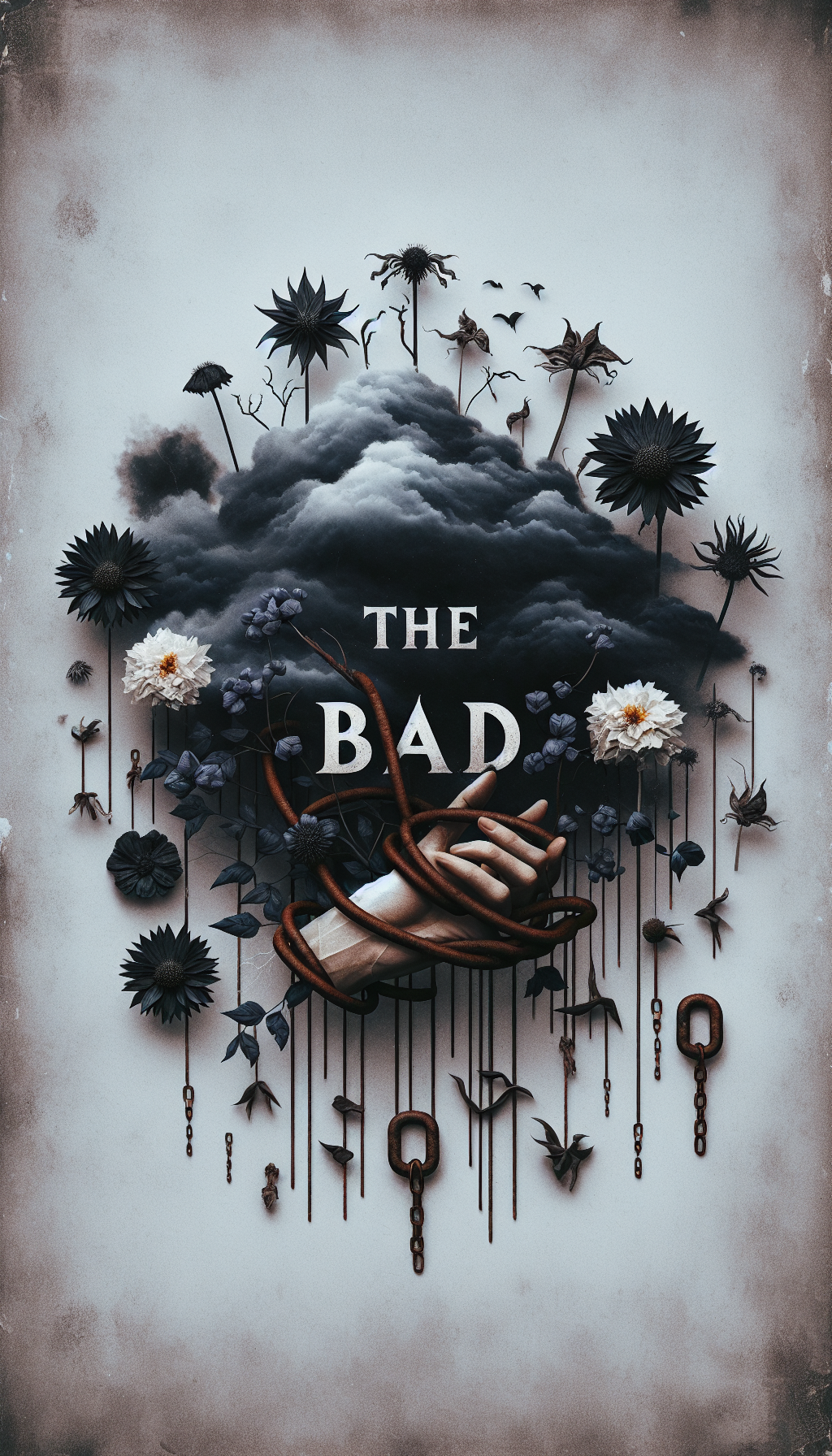
Understanding the Concept of ‘Bad’
The concept of “bad” is multifaceted, encompassing a range of meanings that vary across cultures, contexts, and personal beliefs. At its core, “bad” is often defined as something that is undesirable, harmful, or morally wrong. From personal experiences to societal norms, the notion of what is considered bad can be subjective and influenced by various factors such as upbringing, community values, and individual ethics.
Bad in Morality and Ethics
In the realm of morality, “bad” often describes actions or behaviors that violate ethical standards or principles. Philosophers have long debated the nature of good and evil, with many arguing that what is deemed bad is often a reflection of societal consensus. For example, acts like theft, violence, and deceit are widely regarded as bad due to their negative impact on individuals and communities. However, moral relativism suggests that these judgments can change across different cultures, leading to a complex landscape where what is considered bad in one society may be acceptable in another.
Bad in Personal Experiences
On a personal level, the concept of bad is often tied to individual experiences and emotions. People may describe a range of feelings as “bad,” from sadness to anger, or even physical sensations such as pain. These experiences can shape one’s perception of the world and influence decision-making. For instance, someone who has faced betrayal may develop a heightened sensitivity to dishonesty, labeling it as particularly bad in their life. The subjective nature of personal encounters with bad highlights the importance of empathy and understanding in human interactions.
The Role of Bad in Society
In a broader societal context, the idea of bad plays a crucial role in shaping laws, regulations, and cultural norms. Societies establish legal frameworks to mitigate behaviors deemed harmful, such as crime and discrimination. These frameworks often reflect collective values and the desire to promote safety and well-being. However, the enforcement of these laws can also lead to debates about justice, fairness, and the potential for systemic issues. The complexities surrounding societal notions of bad underscore the ongoing struggle to balance individual freedoms with the collective good.
The Psychological Impact of Bad
The psychological effects of experiencing or witnessing bad can be profound. Trauma, anxiety, and depression are often linked to negative experiences, leading to long-term consequences for mental health. Understanding the impact of bad on psychological well-being has become a significant area of study in psychology and mental health. Therapies that address these issues often focus on coping mechanisms, resilience, and the importance of processing negative emotions to foster healing and growth.
Finding the Silver Lining
Despite the negative connotations associated with bad, it is essential to recognize that adversity can lead to personal growth and resilience. Many people find strength in overcoming challenges, using their experiences to foster empathy, compassion, and a deeper understanding of themselves and others. This perspective encourages individuals to view bad experiences not only as obstacles but also as opportunities for learning and growth, ultimately contributing to a more profound appreciation of life’s complexities.
Conclusion
The concept of bad is intricate, influencing morality, personal experiences, societal structures, and psychological well-being. While it often carries negative implications, recognizing its multifaceted nature allows for a more nuanced understanding of human behavior and interaction. By exploring the various dimensions of bad, individuals and societies can cultivate a deeper awareness of their values and the importance of empathy in addressing the challenges that arise from it. In navigating the complexities of bad, we can ultimately strive toward a more compassionate and understanding world.