
Understanding Reverse Mortgages
Reverse mortgages are financial products that allow homeowners, typically aged 62 and older, to convert a portion of their home equity into cash. This can be an appealing option for seniors looking to supplement their retirement income. Unlike traditional mortgages, where homeowners make monthly payments to a lender, a reverse mortgage involves the lender making payments to the homeowner. While this financial tool can provide needed funds, it also comes with emotional implications that can significantly affect the borrower and their families.
The Positive Emotional Impact
One of the most notable emotional benefits of reverse mortgages is the sense of financial security they can provide. For many seniors, fixed incomes can make it difficult to cover rising costs such as healthcare or home maintenance. A reverse mortgage can alleviate some of this stress by providing immediate cash flow, allowing seniors to enjoy a more comfortable lifestyle. This newfound financial freedom can lead to increased happiness and a sense of independence, as they are able to manage their daily lives without the burden of financial worry.
Additionally, the ability to stay in their own home can be emotionally significant for many seniors. Aging in place is a common desire, and a reverse mortgage can facilitate this by enabling them to cover living expenses while remaining in the familiar environment they cherish. This stability can enhance their overall quality of life and well-being.
The Negative Emotional Impact
Despite the benefits, reverse mortgages can also evoke negative emotions and concerns. One of the primary fears associated with these loans is the potential loss of the family home. Many seniors worry about the impact of a reverse mortgage on their heirs, fearing that the home will be sold to repay the loan after they pass away. This concern can create anxiety and lead to feelings of guilt, especially if they have intended for their property to be an inheritance for their children.
Moreover, the complexity and potential pitfalls of reverse mortgages can lead to confusion and frustration. Seniors may not fully understand the terms and conditions, leading to feelings of vulnerability. The emotional burden of navigating financial decisions, particularly during a time when they may be facing health issues or other life changes, can be overwhelming.
Family Dynamics and Reverse Mortgages
The decision to take out a reverse mortgage can also have implications for family dynamics. Open discussions about financial matters can sometimes lead to tensions among family members. Children may have differing opinions on whether a reverse mortgage is a wise choice, and conflicts can arise over the perceived impact on inheritance. These discussions can create emotional strain, leading to feelings of resentment or misunderstanding among family members.
However, when families approach the topic collaboratively and communicate openly, the emotional impact can be mitigated. Engaging in discussions about finances can foster understanding and support, allowing families to work together to make informed decisions that align with everyone’s best interests.
Conclusion: Weighing the Emotional Costs and Benefits
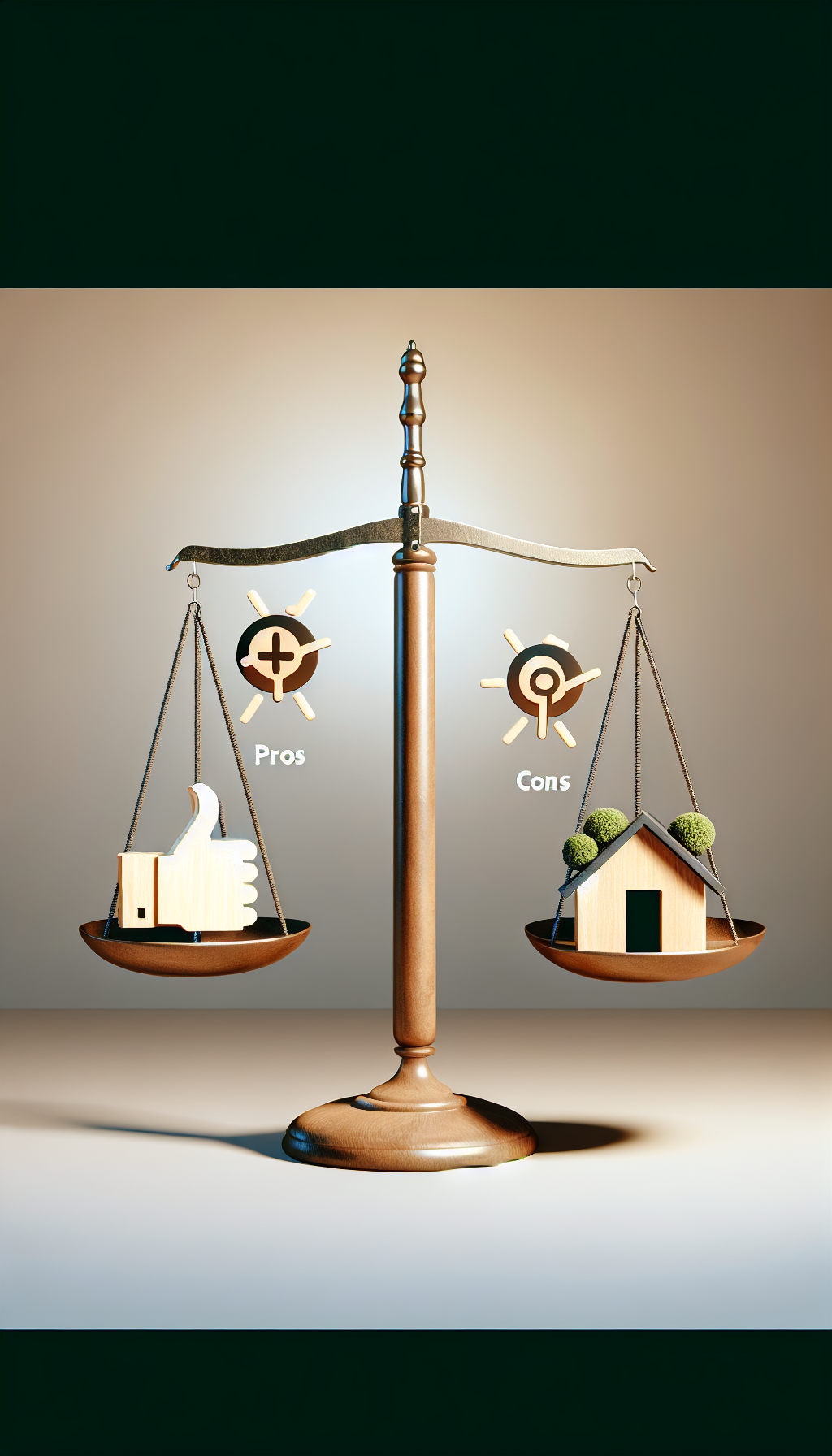
Reverse mortgages can provide both emotional benefits and challenges. They offer financial relief and the opportunity for seniors to remain in their homes, which can enhance their quality of life. However, they also introduce fears about the future, concerns for family dynamics, and potential feelings of guilt.
When considering a reverse mortgage, it is crucial for seniors and their families to approach the decision thoughtfully. Engaging in open conversations, seeking guidance from financial advisors, and understanding the implications of such a loan can help navigate the emotional landscape. Ultimately, weighing the pros and cons of reverse mortgages allows seniors to make informed choices that best suit their financial needs and emotional well-being.