
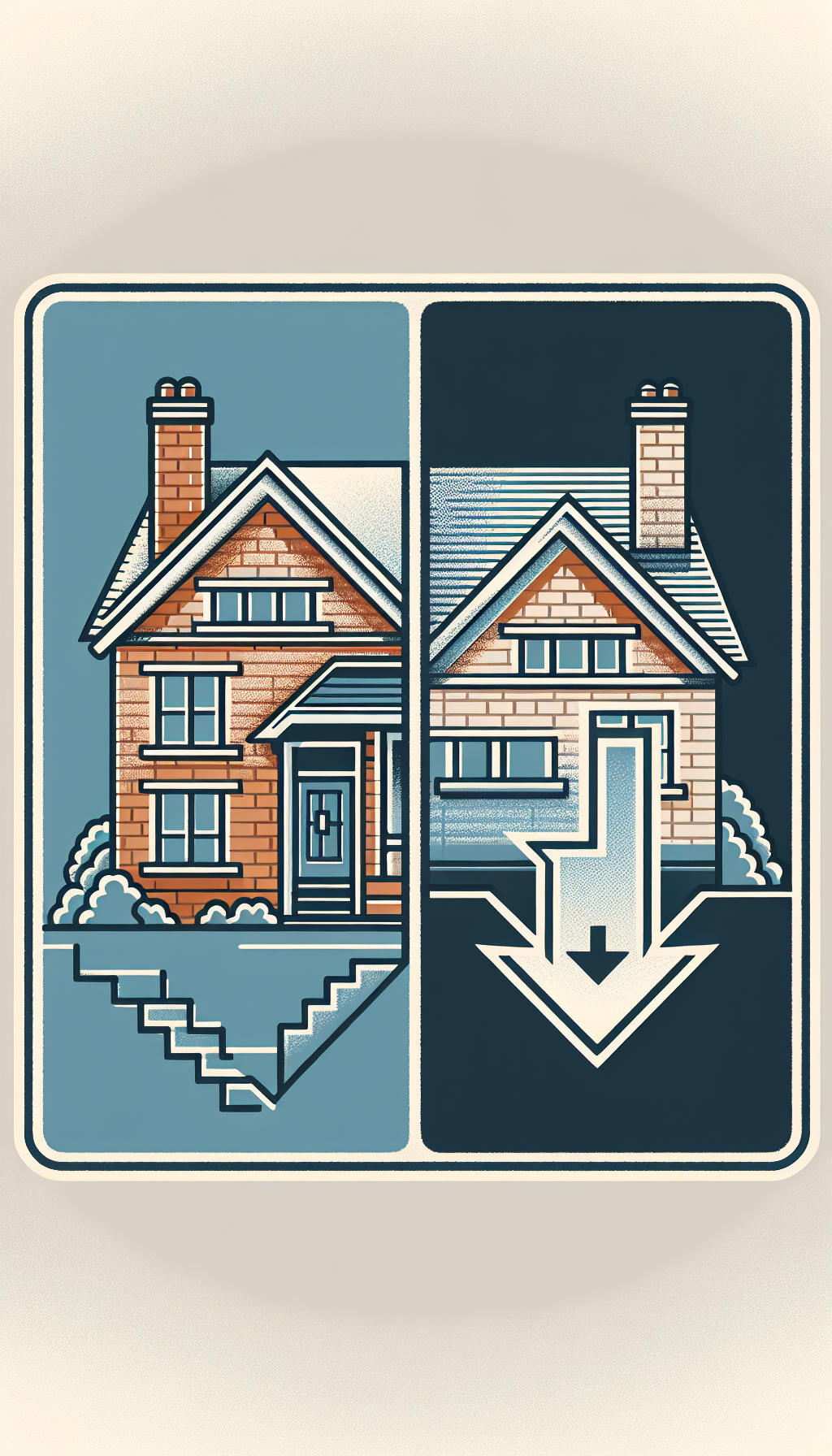
Understanding Reverse Mortgages
Reverse mortgages are financial products that allow homeowners, typically aged 62 and older, to convert part of their home equity into cash. This can be particularly beneficial for seniors seeking additional funds for retirement expenses, healthcare, or to supplement their income. Unlike traditional mortgages, reverse mortgages do not require monthly payments. Instead, the loan amount, plus interest, is repaid when the homeowner sells the home, moves out, or passes away.
While reverse mortgages can provide financial relief for many, they can also significantly impact the inheritance that heirs might expect to receive. Understanding how these loans work is crucial for both homeowners considering this option and their potential heirs.
The Financial Implications for Heirs
When a homeowner takes out a reverse mortgage, the amount borrowed increases over time as interest accrues, and this amount must be repaid when the homeowner passes away. This can lead to a situation where the outstanding loan balance exceeds the home’s value. Heirs, therefore, may find themselves with little to no inheritance if the reverse mortgage is substantial.
If the home is sold to pay off the reverse mortgage, any remaining equity after the loan repayment can be inherited by the heirs. However, if the home is not sold, heirs may have to make a decision: pay off the remaining mortgage balance to keep the house or sell it to settle the debt. This decision can put heirs in a challenging position, especially if they have differing opinions on the value of the property or their financial capabilities.
Potential Benefits for Heirs
Despite the potential downsides, reverse mortgages can also have benefits for heirs. For instance, if the homeowner uses the funds from a reverse mortgage to improve their quality of life—such as covering healthcare costs or making necessary home modifications—this can provide a more comfortable living situation during their later years. If the homeowner is healthier and happier, this can positively influence their relationships with their heirs, potentially leading to more meaningful family interactions.
Furthermore, if the homeowner manages to keep the loan balance lower than the home’s value, there may still be equity left for heirs after the reverse mortgage is settled. This can offer a financial cushion that aids heirs in their own financial planning.
Communicating with Family
Open communication is essential when considering a reverse mortgage, especially regarding its potential impact on inheritance. Homeowners should discuss their plans with their family members to ensure everyone understands the implications. This dialogue can help set realistic expectations for heirs and can also facilitate better decision-making regarding the property in the future.
It is crucial for families to have a clear understanding of the terms of the reverse mortgage, including how it will affect the estate. Homeowners may want to involve a financial advisor or estate planner to help navigate this process and ensure that their wishes are clearly outlined in their estate planning documents.
Conclusion: Making Informed Decisions
Reverse mortgages can be a useful financial tool for seniors, but they come with complexities that can affect inheritance. Homeowners should weigh the benefits of accessing home equity against the potential impact on their heirs. By communicating openly with family members and seeking professional guidance, homeowners can make informed decisions that best serve their financial needs while considering the legacy they wish to leave behind. Understanding these dynamics can help ensure that everyone involved is prepared for the outcomes of such financial choices.