
Introduction to Reverse Mortgages
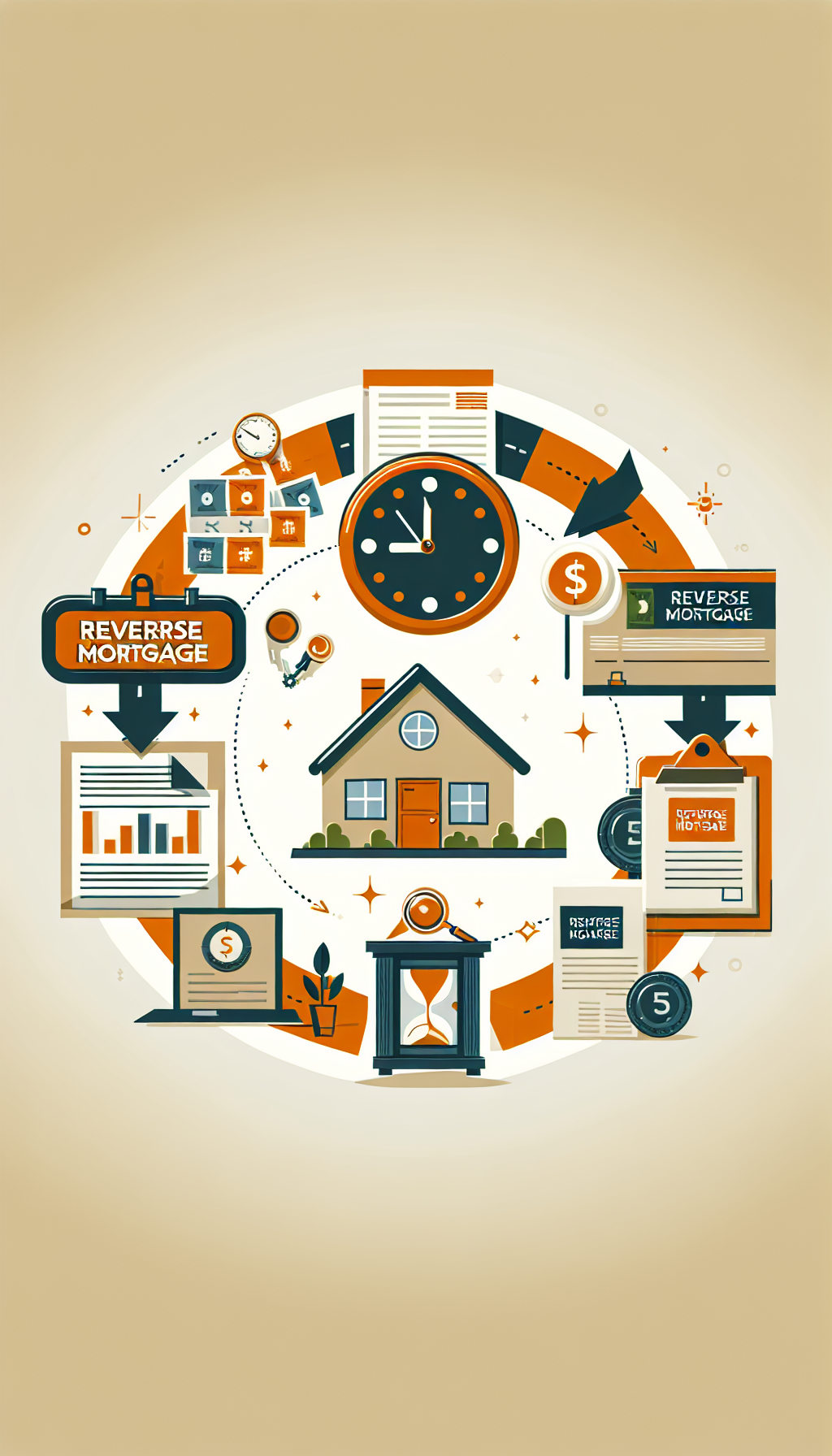
A reverse mortgage is a financial product designed primarily for older homeowners who want to tap into the equity of their homes without having to sell their property. Unlike traditional mortgages, where homeowners make monthly payments to the lender, reverse mortgages allow homeowners to receive payments from the lender based on the equity in their home. This financial tool can provide additional income for retirees, helping them cover expenses or enhance their quality of life. Understanding the life cycle of a reverse mortgage is essential for homeowners considering this option.
Eligibility and Application Process
The first step in the life cycle of a reverse mortgage is determining eligibility. Generally, homeowners must be at least 62 years old, have significant equity in their home, and occupy the property as their primary residence. The application process involves a detailed assessment of the homeowner’s financial situation and the home’s value. Lenders will require an appraisal to determine the current market value of the property, ensuring that it meets the necessary criteria for a reverse mortgage.
Once the homeowner has gathered the required documentation, they can begin the application process, which includes counseling sessions mandated by the Department of Housing and Urban Development (HUD). This counseling ensures that borrowers fully understand the terms and implications of a reverse mortgage before proceeding.
Loan Disbursement Options
After the application is approved, the loan disbursement phase begins. Homeowners can choose from several options for receiving their funds. They may opt for a lump sum payment, monthly payments, a line of credit, or a combination of these. Each option has its advantages and disadvantages, depending on the homeowner’s financial needs and goals. For example, a lump sum may be suitable for those looking to cover immediate expenses, while a line of credit can provide flexibility for future needs.
Managing the Reverse Mortgage
Once the funds are disbursed, homeowners must manage their reverse mortgage carefully. It is crucial to continue paying property taxes, homeowners insurance, and maintenance costs, as failing to do so can lead to the loan being called due. Homeowners should also stay in communication with their lender, especially if they experience changes in their financial situation or health. Proper management ensures that the reverse mortgage remains a beneficial financial tool.
Repayment Process
At some point, the reverse mortgage will need to be repaid. This typically occurs when the homeowner sells the home, moves out, or passes away. The loan balance, which accumulates interest over time, must be settled, usually through the sale of the home. If the sale proceeds exceed the loan balance, the remaining equity goes to the homeowner or their heirs. Conversely, if the loan balance exceeds the home value, the homeowner or their heirs are not responsible for the difference, thanks to the non-recourse nature of reverse mortgages.
Conclusion
The life cycle of a reverse mortgage encompasses several stages, from eligibility and application to disbursement, management, and ultimately repayment. For many seniors, reverse mortgages can provide vital financial support during retirement. However, it is essential to approach this financial product with caution and thorough understanding. Proper planning and management can help ensure that a reverse mortgage serves as a beneficial tool in achieving financial stability in one’s later years.