
Understanding Home Equity
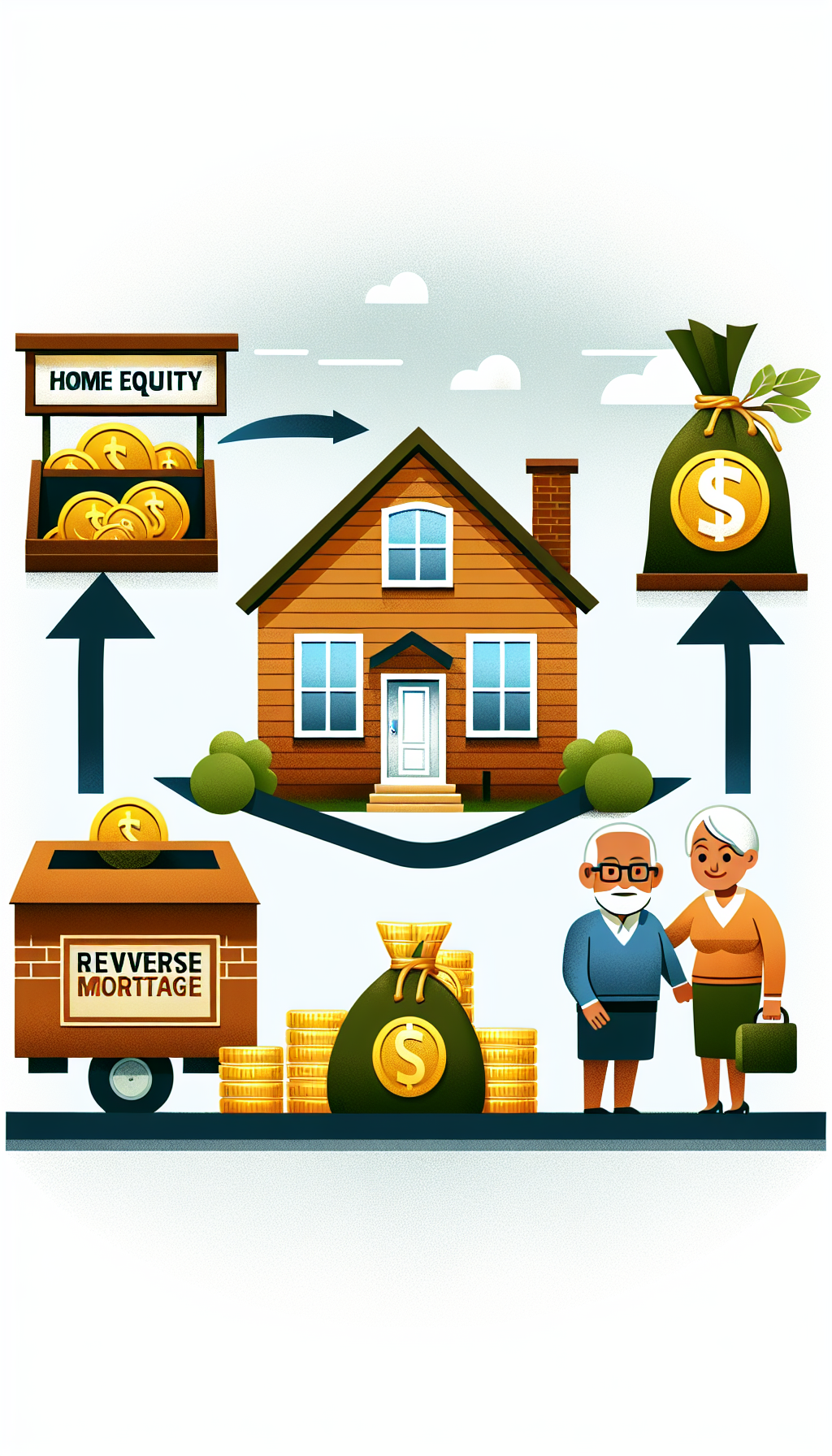
Home equity is the difference between the current market value of a home and the outstanding mortgage balance. It represents the portion of the property that the homeowner truly owns. As property values fluctuate and mortgage balances decrease through regular payments, home equity can increase over time. This accumulated wealth is often a significant financial asset, especially for retirees looking to supplement their retirement income.
Home equity can be leveraged in various ways, including selling the property, taking out a home equity loan, or utilizing a reverse mortgage. Understanding how these options work in relation to home equity is crucial for homeowners, particularly those approaching retirement.
The Basics of Reverse Mortgages
A reverse mortgage is a financial product designed primarily for older homeowners (typically 62 years and older) that allows them to convert part of their home equity into cash. Unlike traditional mortgages, where homeowners make monthly payments to the lender, a reverse mortgage pays the homeowner. The loan amount is repaid when the homeowner moves, sells the home, or passes away.
The primary goal of a reverse mortgage is to provide retirees with additional income without requiring them to sell their homes. This can be particularly beneficial for seniors who may have limited income but significant home equity.
Calculating Reverse Mortgage Amounts
The amount a homeowner can borrow through a reverse mortgage is influenced by several factors, including the home’s appraised value, the homeowner’s age, and current interest rates. Generally, older homeowners can access a larger percentage of their home equity. This is because the loan is repaid based on the homeowner’s life expectancy, meaning the lender has a shorter time frame to recoup the loan amount.
A common guideline is that the more equity a homeowner has, the higher the potential reverse mortgage amount. However, there are limits imposed by the Federal Housing Administration (FHA) that cap the maximum loan amount. For instance, as of 2023, the maximum claim amount for a Home Equity Conversion Mortgage (HECM) is $1,089,300. This cap means that even if a home is worth more than this amount, the reverse mortgage will only be calculated based on the maximum claim limit, not the home’s full market value.
The Impact of Home Equity on Reverse Mortgage Options
As homeowners accumulate equity, they gain more flexibility in their reverse mortgage options. Higher home equity can lead to larger loan amounts, which can provide more financial security. These funds can be used for various purposes, such as covering healthcare costs, home renovations, or even daily living expenses.
Additionally, homeowners with significant equity may have the option to choose between different payout plans: a lump sum, monthly payments, or a line of credit. Each option offers different advantages, allowing homeowners to tailor their financial strategy to meet their unique needs and circumstances.
Risks and Considerations
While reverse mortgages can be beneficial, they are not without risks. One of the most significant concerns is that tapping into home equity reduces the inheritance left to heirs. Moreover, homeowners are still responsible for property taxes, homeowner’s insurance, and maintenance costs. Failing to meet these obligations can result in foreclosure.
It’s essential for homeowners to fully understand the implications of a reverse mortgage before proceeding. Consulting with a financial advisor or housing counseling agency can provide clarity and help homeowners make informed decisions.
Conclusion
The relationship between home equity and reverse mortgage amounts is a crucial aspect for seniors considering this financial option. A robust home equity position can lead to more substantial loan amounts, offering significant financial relief during retirement. However, it is essential to weigh the benefits against the potential risks and long-term consequences. As with any financial decision, thorough research and professional guidance can help homeowners navigate the complexities of reverse mortgages, ensuring they make the best choice for their financial future.