
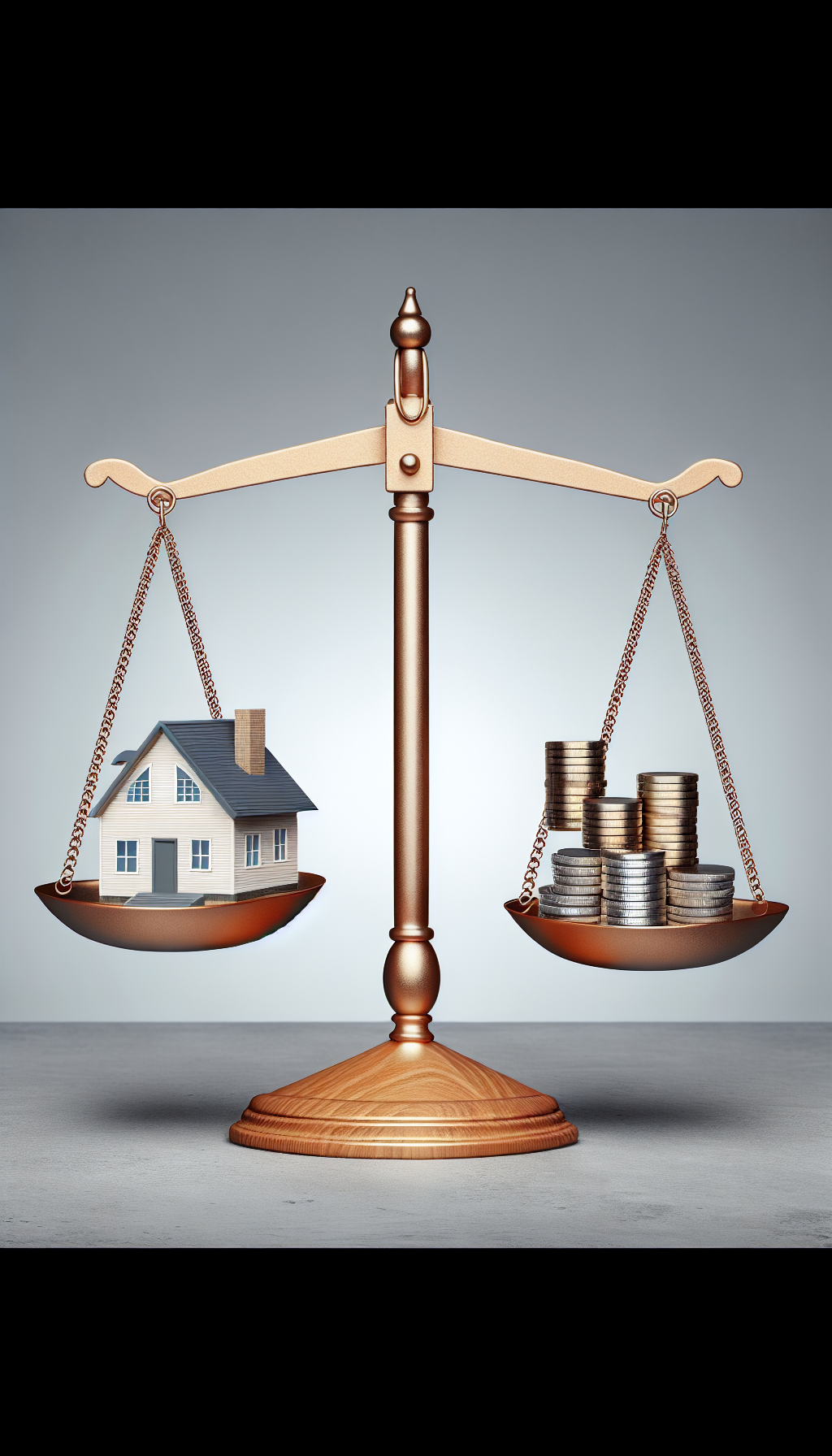
Understanding Reverse Mortgages
Reverse mortgages are financial products designed primarily for older homeowners, allowing them to convert a portion of their home equity into cash without having to sell their property. The concept is relatively straightforward: instead of making monthly payments to a lender, the lender pays the homeowner. This arrangement can provide crucial financial support for retirees seeking to supplement their income, fund healthcare expenses, or cover living costs.
The appeal of reverse mortgages lies in their ability to offer liquidity while homeowners remain in their homes, allowing them to maintain their lifestyle and independence. However, it’s essential to understand the intricacies of how home equity plays a pivotal role in this process.
The Mechanics of Home Equity in Reverse Mortgages
Home equity is the difference between the current market value of a home and the outstanding mortgage balance. In a reverse mortgage, a homeowner can access a portion of this equity, turning it into cash. The amount available for withdrawal depends on several factors, including the homeowner’s age, the home’s appraised value, and current interest rates.
Typically, the older the homeowner, the more equity they can access through a reverse mortgage. This is because older individuals are expected to have a shorter life expectancy, allowing lenders to calculate payouts based on the anticipated duration of the loan. Additionally, the home’s value significantly influences how much money can be accessed, emphasizing the importance of regular property appraisals to ensure accurate assessments.
How Funds Are Distributed
Once a reverse mortgage is established, the funds can be disbursed in several ways. Homeowners may choose a lump-sum payment, which provides immediate access to a large portion of their equity. Alternatively, they can opt for monthly payments, creating a steady income stream that can help cover ongoing expenses.
Another option is the line of credit, which allows homeowners to withdraw funds as needed. This flexibility can be particularly advantageous for managing unexpected costs, such as medical expenses or home repairs, while preserving the remaining equity for future needs.
Repayment and Equity Considerations
One of the most significant features of reverse mortgages is that repayment is not required until the homeowner moves out of the home, sells the property, or passes away. At that point, the loan balance, which includes the principal, interest, and any fees, must be repaid, usually through the sale of the home.
This brings up the critical aspect of equity: as homeowners draw from their equity, the remaining value of the home decreases. If the home appreciates in value, there may still be significant equity left for heirs after repayment of the mortgage. However, if property values decline, the equity remaining may be less than anticipated, impacting estate planning and inheritance considerations.
The Importance of Counseling and Education
Given the complexities associated with reverse mortgages and the implications for home equity, homeowners must seek proper counseling before proceeding. The U.S. Department of Housing and Urban Development (HUD) mandates that borrowers receive counseling from a qualified third party to understand the risks and benefits involved.
Counseling sessions typically cover essential topics such as the impact of a reverse mortgage on heirs, the responsibilities of the homeowner, and the potential costs associated with the loan. This education helps homeowners make informed decisions about using their equity and ensures they are aware of how it could affect their financial future and that of their family.
Conclusion
Reverse mortgages can serve as a valuable financial tool for older homeowners, providing access to essential funds while allowing them to remain in their homes. Understanding the role of home equity in this process is crucial, as it affects not only the immediate financial situation of the homeowner but also their long-term financial legacy. Through proper education and counseling, individuals can navigate the complexities of reverse mortgages and make choices that best fit their unique circumstances.