
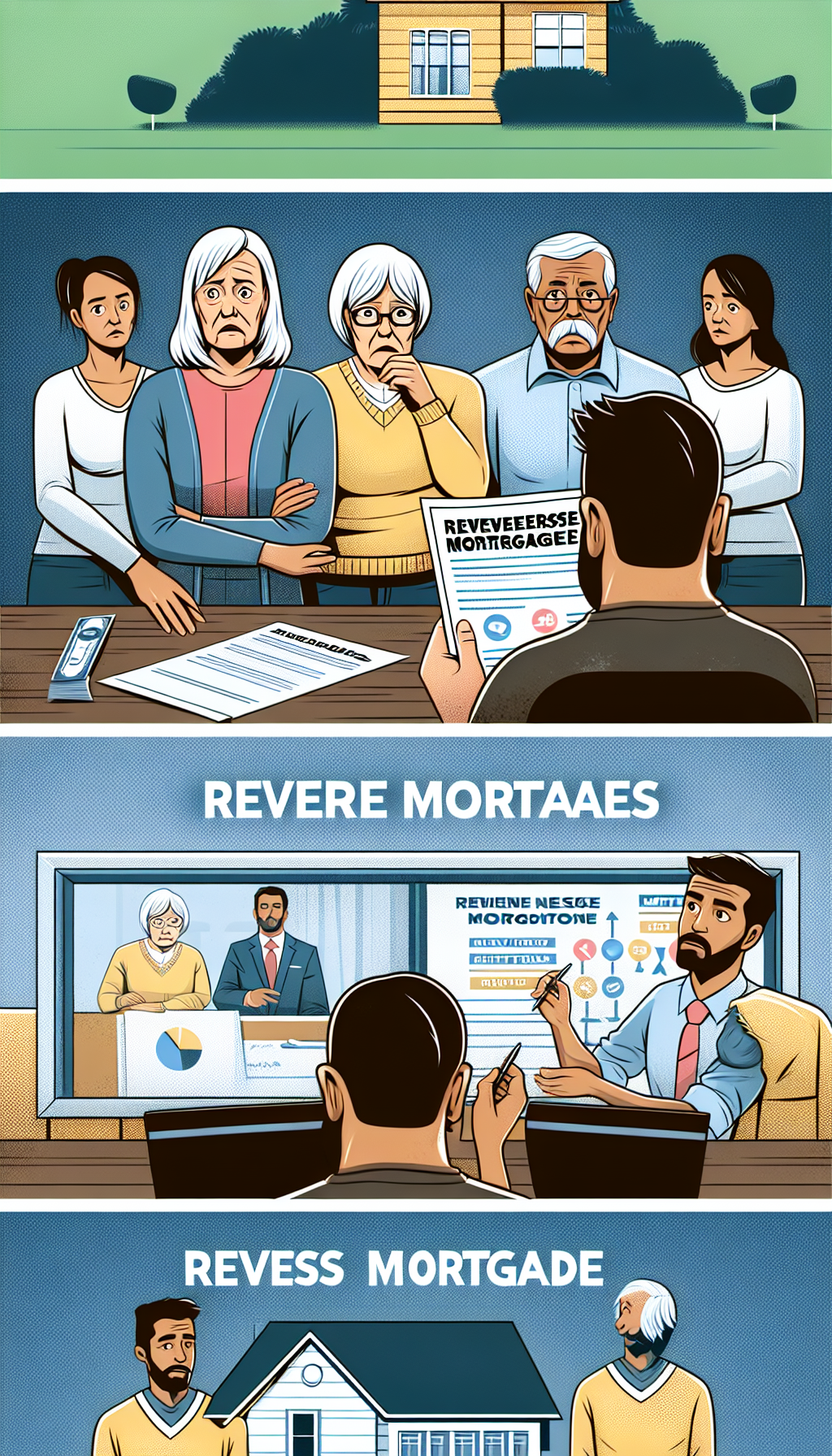
Understanding Reverse Mortgages
Reverse mortgages have become a popular financial option for seniors looking to access the equity in their homes. This unique financial product allows homeowners aged 62 and older to convert a portion of their home equity into cash without having to sell their property or make monthly mortgage payments. However, despite their increasing popularity, reverse mortgages are often misunderstood. This article aims to clarify common myths and present the reality of reverse mortgages to help potential borrowers make informed decisions.
Myth 1: The Bank Owns Your Home
One of the most pervasive myths surrounding reverse mortgages is that taking one out means relinquishing ownership of your home. In reality, homeowners retain full ownership of their property. The reverse mortgage is merely a loan secured by the home itself. As long as the borrower continues to live in the home, pays property taxes, homeowners insurance, and maintains the property, they can stay in their home. Only when the borrower moves out, sells the home, or passes away does the loan need to be repaid.
Myth 2: You Will Owe More Than Your Home is Worth
Many potential borrowers worry about the possibility of owing more than their home’s value. This concern is understandable, but the reality is that reverse mortgages are designed to protect borrowers from this scenario through a feature known as the non-recourse clause. This clause ensures that the borrower or their heirs will never owe more than the home’s value at the time of repayment, even if the loan balance exceeds that amount. In this way, reverse mortgages can provide peace of mind to seniors who may be concerned about leaving debt behind for their heirs.
Myth 3: Reverse Mortgages Are Only for People in Financial Distress
Another misconception is that reverse mortgages are only suitable for individuals who are struggling financially. While it is true that some seniors may use reverse mortgages to alleviate financial burdens, many borrowers use this financial tool for a variety of reasons. Some may opt for a reverse mortgage to fund home improvements, pay for healthcare expenses, or supplement retirement income. It can also serve as a strategic financial planning tool, allowing homeowners to preserve their other assets for different uses.
Myth 4: The Application Process is Complicated
Many potential borrowers shy away from reverse mortgages due to the belief that the application process is overly complicated. While applying for a reverse mortgage does require some paperwork and an initial counseling session, the process is not as daunting as it may seem. Lenders are required to provide clear information and assist applicants throughout the process. Understanding the terms, conditions, and implications of a reverse mortgage can help alleviate concerns and lead to a smoother application experience.
Myth 5: Reverse Mortgages Are Too Expensive
Cost is a significant factor in any financial decision, and reverse mortgages are no exception. Critics often point to the fees and interest rates associated with reverse mortgages as prohibitive. However, it is essential to weigh these costs against the benefits of accessing substantial home equity without selling the property. In many cases, the funds obtained from a reverse mortgage can improve a homeowner’s quality of life, allowing them to age in place and maintain their independence.
Conclusion: Making an Informed Decision
Reverse mortgages can be a valuable financial tool for seniors, but it is crucial to separate myth from reality. By understanding how reverse mortgages work and what they entail, homeowners can make informed decisions that align with their financial goals. Consulting with a qualified financial advisor or a reverse mortgage specialist can provide additional insights and help navigate this complex financial landscape. Ultimately, the choice to pursue a reverse mortgage should be made based on individual circumstances, preferences, and long-term financial planning.