
The Concept of Reverse Mortgages: An Overview
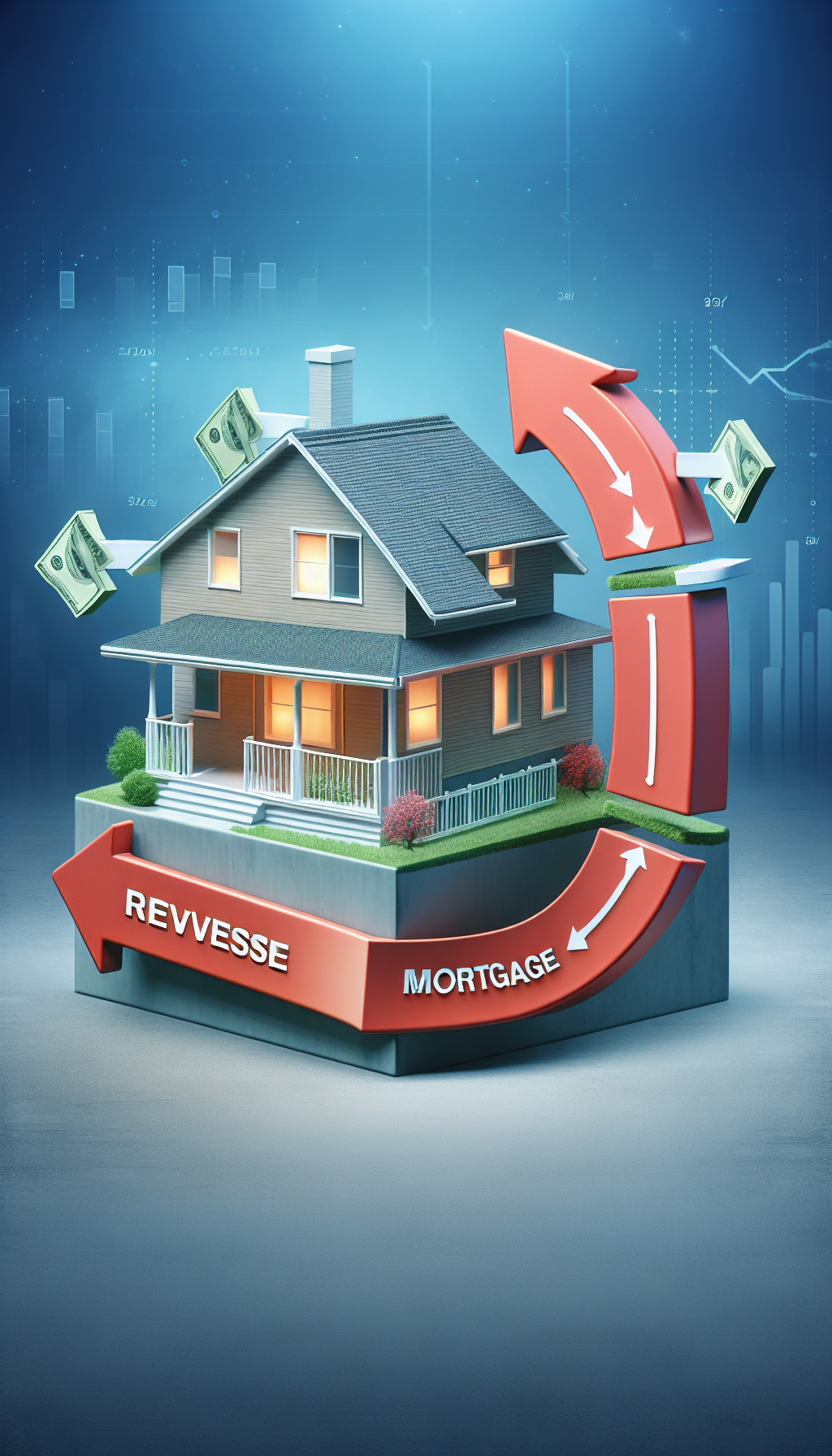
The reverse mortgage is a financial product designed primarily for older homeowners, allowing them to convert part of their home equity into cash. This innovative solution caters to seniors who may be cash-strapped during retirement but possess significant asset value in their homes. Unlike traditional mortgages where homeowners make monthly payments to the lender, a reverse mortgage allows the lender to make payments to the homeowner, creating a unique financial arrangement that is particularly beneficial for retirees who wish to maintain their lifestyle without the burden of monthly mortgage payments.
The Origins of Reverse Mortgages
The concept of reverse mortgages can be traced back to the 1960s. The first formalized reverse mortgage product was introduced in 1961 by a banker named Nelson Haynes in Portland, Maine. Haynes recognized that many elderly homeowners were “house rich but cash poor,” meaning they had substantial equity in their homes but lacked sufficient income to meet their living expenses. His product allowed seniors to access funds based on their home equity, thus laying the groundwork for what would later become the reverse mortgage industry.
The Federal Government’s Involvement
The federal government recognized the potential benefits of reverse mortgages and took steps to regulate and promote the product. In 1987, the Home Equity Conversion Mortgage (HECM) program was established by the Federal Housing Administration (FHA). This program aimed to provide a safer and more standardized reverse mortgage option for seniors. HECMs are insured by the FHA, which protects both lenders and borrowers, creating a more secure environment for those seeking to utilize their home equity.
The Evolution of Reverse Mortgages
Since its inception, the reverse mortgage has evolved considerably. Initially, the product faced skepticism and misunderstandings regarding its implications for homeowners. Over time, educational initiatives and regulatory refinements have helped clarify the benefits and risks associated with reverse mortgages. The growth of the aging population, particularly the Baby Boomer generation, has further fueled interest in reverse mortgages as a viable financial solution for retirees seeking to supplement their income.
Current Trends and Future Prospects
Today, reverse mortgages have become a mainstream financial product, with thousands of homeowners taking advantage of the benefits they offer. Financial advisors increasingly recognize reverse mortgages as a potential tool for retirement planning, allowing seniors to access their home equity without selling their homes. As the demographic landscape continues to shift, the reverse mortgage market is expected to grow, adapting to the needs of a population that values financial independence and security in retirement.
Conclusion
Tracing the invention and evolution of reverse mortgages reveals a fascinating journey from a novel idea to a vital financial tool for seniors. With ongoing education, government support, and a growing understanding of the product’s benefits, reverse mortgages have cemented their place in the financial landscape. As the needs of retirees continue to evolve, reverse mortgages will likely remain an essential option for those seeking to enjoy their golden years with financial peace of mind.