
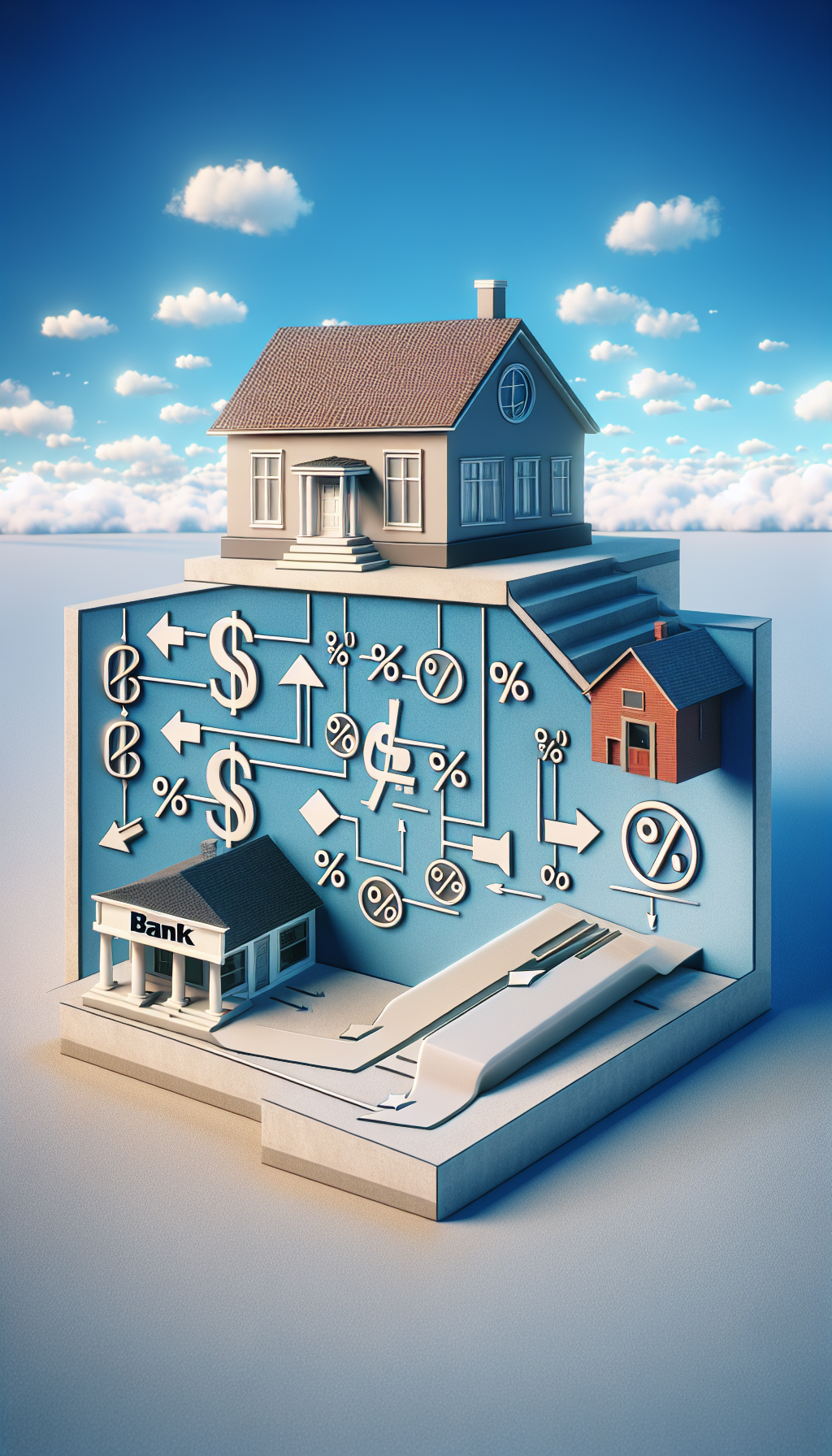
What is a Reverse Mortgage?
A reverse mortgage is a financial product designed primarily for homeowners aged 62 and older. It allows them to convert a portion of their home equity into cash while still retaining ownership of their home. Unlike a traditional mortgage where the homeowner makes monthly payments to a lender, a reverse mortgage pays the homeowner. This financial tool can provide seniors with the funds they need to cover living expenses, healthcare costs, or other financial needs without the burden of monthly mortgage payments.
How Does It Work?
In a reverse mortgage, the lender borrows against the homeowner’s equity. The loan amount is based on several factors, including the homeowner’s age, the home’s value, and current interest rates. Homeowners can receive the funds as a lump sum, monthly payments, or a line of credit, depending on their financial needs and preferences. Importantly, repayment of the loan is deferred until the homeowner sells the home, moves out, or passes away. At that point, the loan must be repaid, typically through the sale of the home.
Types of Reverse Mortgages
There are primarily three types of reverse mortgages: Home Equity Conversion Mortgages (HECMs), proprietary reverse mortgages, and single-purpose reverse mortgages.
HECMs are federally insured and are the most common type of reverse mortgage. They offer a variety of payment options and can be used for any purpose. Proprietary reverse mortgages are private loans that are not insured by the government and may provide larger loan amounts for higher-value homes. Single-purpose reverse mortgages are offered by some state and local governments and non-profit organizations and can only be used for a specific purpose, such as home repairs or property taxes.
Eligibility Requirements
To qualify for a reverse mortgage, homeowners must meet certain criteria. The primary requirement is age; all borrowers must be at least 62 years old. Additionally, the home must be the borrower’s primary residence, and they must have sufficient equity in the home. Borrowers must also demonstrate the financial ability to cover ongoing costs such as property taxes, homeowners insurance, and maintenance. A financial assessment is typically conducted to ensure that the borrower can meet these obligations.
Pros and Cons
Like any financial product, reverse mortgages come with both advantages and disadvantages.
On the positive side, they provide a source of income for seniors who may be cash-strapped. They also allow homeowners to remain in their homes while accessing their equity without the need for monthly mortgage payments. This can be particularly beneficial for those with limited financial resources.
However, there are downsides to consider. The amount owed on the reverse mortgage can increase rapidly due to accruing interest, which can erode home equity over time. Additionally, the homeowner must continue to pay property taxes, insurance, and maintenance costs. If these obligations are not met, it could lead to foreclosure.
Conclusion
Understanding how reverse mortgages work is essential for seniors considering this financial option. While they can provide much-needed funds and allow homeowners to age in place, they also carry risks that must be carefully weighed. Consulting with a financial advisor or a reverse mortgage specialist can help individuals make informed decisions tailored to their unique circumstances. As with any financial product, knowledge and careful consideration are key to making the right choice.