
What is a Reverse Mortgage?
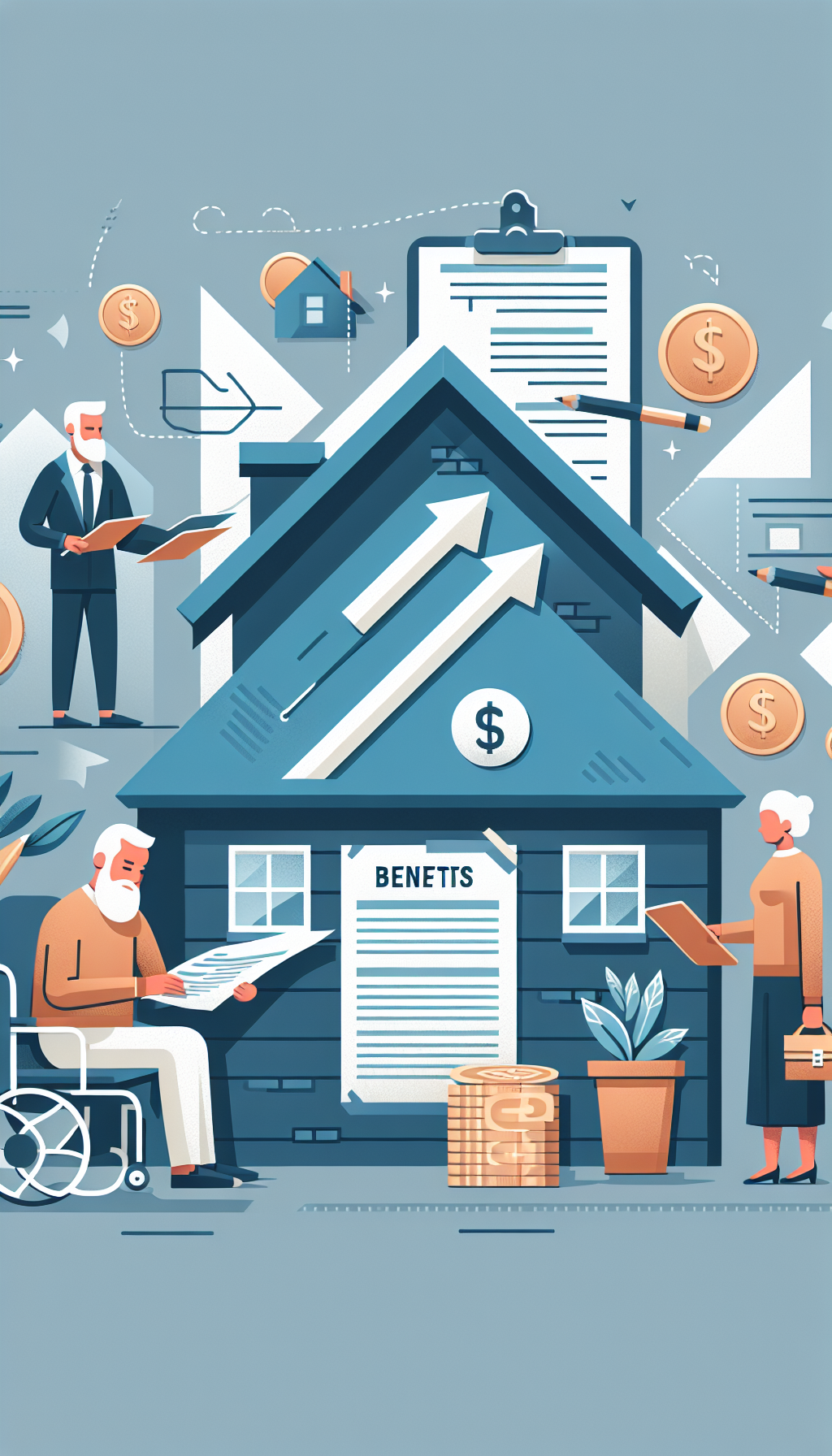
A reverse mortgage is a financial product that allows homeowners, typically aged 62 or older, to convert part of their home equity into cash. Unlike traditional mortgages, where homeowners make monthly payments to the lender, with a reverse mortgage, the lender makes payments to the homeowner. The loan is repaid only when the homeowner sells the home, moves out, or passes away. This financial tool can provide seniors with additional income during retirement, but it is essential to understand its workings and implications fully.
Benefits of Reverse Mortgages
One of the primary benefits of a reverse mortgage is the ability to access cash without having to sell the home. This can be particularly advantageous for seniors who wish to maintain their lifestyle or cover unexpected expenses, such as healthcare costs or home repairs. The funds can be received in various ways, including a lump sum, monthly payments, or a line of credit, providing flexibility in how homeowners manage their finances.
Another significant advantage is that reverse mortgages do not require monthly repayments. This can alleviate financial stress for retirees living on fixed incomes, allowing them to use their home equity without the burden of monthly mortgage payments. Additionally, the funds received from a reverse mortgage are generally tax-free, making them a potentially attractive option for those looking to supplement their retirement income.
Moreover, homeowners can remain in their homes as long as they continue to meet the loan obligations, which typically include maintaining the property and paying property taxes and insurance. This feature can provide a sense of security and stability for seniors who wish to age in place.
Drawbacks of Reverse Mortgages
Despite the benefits, reverse mortgages come with several drawbacks that potential borrowers should consider. One of the most significant concerns is that they can reduce the inheritance left to heirs. Since the loan must be repaid when the homeowner moves out or passes away, the home may need to be sold to cover the debt, potentially leaving little or nothing for beneficiaries.
Additionally, reverse mortgages can be costly. Upfront fees, such as origination fees and closing costs, can be significant, and the interest on the loan accumulates over time. This means that the total amount owed can grow substantially, eating into the homeowner’s equity. For some, the costs associated with a reverse mortgage can outweigh the benefits, making it crucial to conduct a thorough cost-benefit analysis.
There is also the risk of foreclosure. Homeowners must stay current on property taxes, homeowners insurance, and maintenance costs. Failing to meet these obligations can lead to the lender initiating foreclosure proceedings, which can be particularly distressing for seniors who may already be facing financial difficulties.
Is a Reverse Mortgage Right for You?
Determining whether a reverse mortgage is a suitable financial solution depends on individual circumstances. It is vital for homeowners to consider their long-term plans, financial needs, and the potential impact on their estate. Consulting with a financial advisor or a housing counselor can provide valuable insights and help navigate the complexities of reverse mortgages.
Before making a decision, potential borrowers should compare reverse mortgages with other options, such as home equity loans or lines of credit, to ensure they choose the best financial product for their situation. Understanding the terms, costs, and implications of a reverse mortgage is essential for making an informed choice that aligns with one’s financial goals and retirement plans.
Conclusion
In summary, reverse mortgages can offer significant benefits for seniors looking to tap into their home equity, providing additional cash flow during retirement. However, they also come with notable drawbacks that can impact long-term financial health and family inheritance. By weighing these factors carefully and seeking professional guidance, homeowners can make informed decisions regarding whether a reverse mortgage is the right choice for their financial future.