
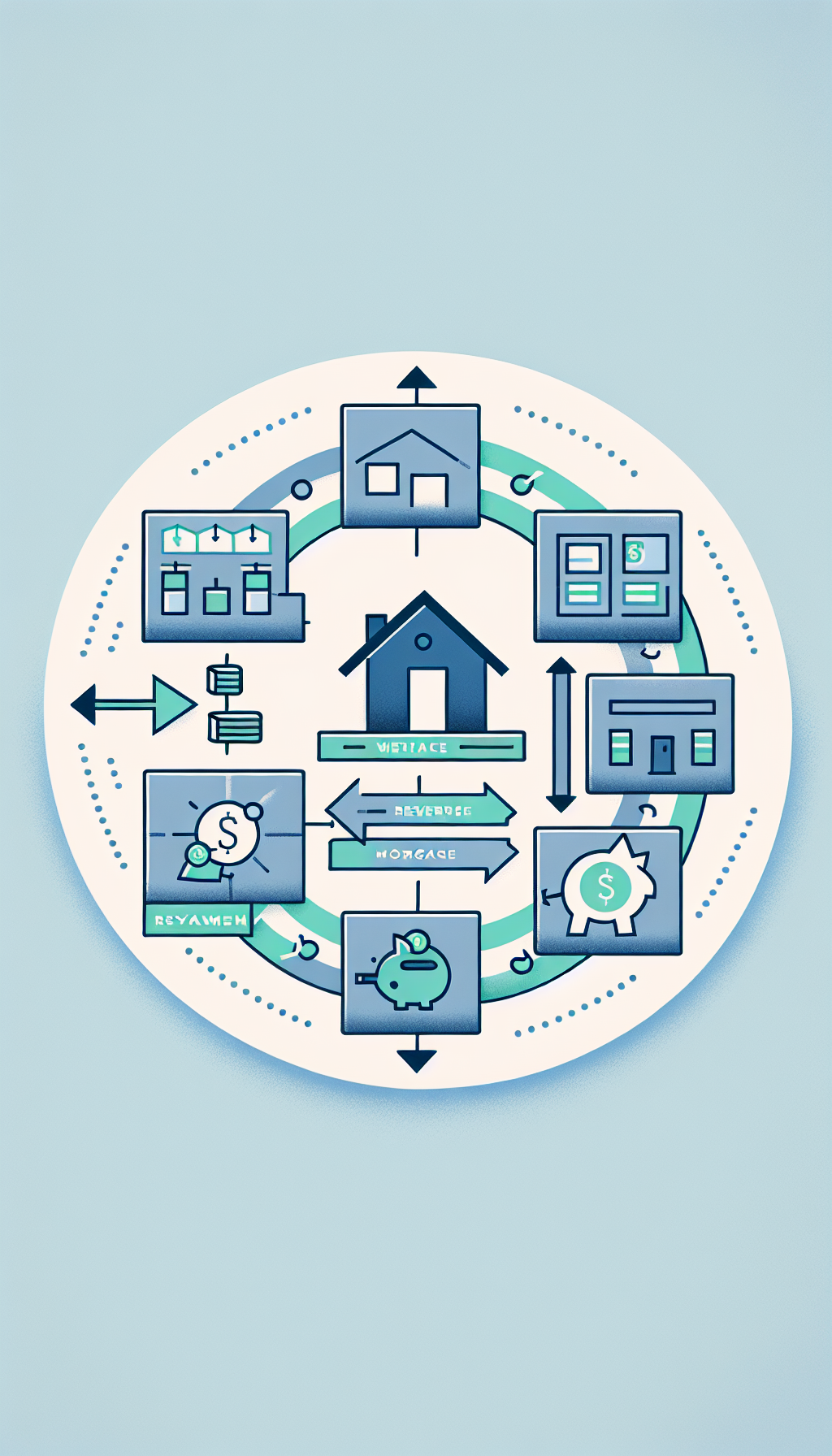
Introduction to Reverse Mortgages
Reverse mortgages have gained popularity as a financial tool for seniors looking to access the equity in their homes. This type of loan allows homeowners, typically aged 62 and older, to convert a portion of their home equity into cash without having to sell their home or make monthly mortgage payments. While reverse mortgages can be beneficial, understanding the repayment process is crucial for borrowers and their families.
How Reverse Mortgages Work
A reverse mortgage works by allowing homeowners to borrow against the value of their home. The loan amount is determined based on the homeowner’s age, the home’s appraised value, and current interest rates. Unlike traditional mortgages, where the borrower makes monthly payments to the lender, in a reverse mortgage, the lender makes payments to the borrower. These payments can be taken as a lump sum, monthly installments, or a line of credit. The loan does not need to be repaid until specific conditions are met, making it an attractive option for many seniors.
Conditions Triggering Repayment
Repayment of a reverse mortgage is not required until the homeowner moves out of the house, sells the property, or passes away. Additionally, if the homeowner fails to maintain the home, pay property taxes, or keep homeowner’s insurance current, the loan may become due. It’s important for borrowers to understand these conditions to avoid unexpected repayment scenarios.
Repayment Process Upon Sale or Move
If the homeowner decides to sell the property or move out, the reverse mortgage must be repaid. The repayment amount typically includes the total loan balance, which consists of the amount borrowed, accrued interest, and any fees. The sale proceeds from the home will first go towards paying off the reverse mortgage. If the sale price exceeds the loan balance, the remaining funds will go to the homeowner or their heirs. However, if the sale does not cover the loan balance, federal law protects the heirs from owing more than the home’s value—this is known as the non-recourse feature of reverse mortgages.
Repayment Process Upon Death
When a reverse mortgage borrower passes away, the loan becomes due. The heirs of the deceased homeowner typically have several options. They can choose to pay off the reverse mortgage, refinance the loan into a traditional mortgage, or sell the home to settle the debt. Heirs can also opt to walk away from the property if it is worth less than the reverse mortgage, as they are not personally liable for the remaining balance beyond the value of the home.
The Importance of Communication with Lenders
Effective communication with the lender is essential throughout the life of a reverse mortgage. Borrowers should keep their lender informed about any changes in their living situation, such as moving into a care facility or passing away. Additionally, maintaining a good relationship with the lender can facilitate a smoother repayment process and help avoid potential pitfalls.
Conclusion
Understanding the repayment process of reverse mortgages is vital for homeowners and their families. While reverse mortgages can provide financial relief for seniors, being aware of the conditions that trigger repayment can help borrowers make informed decisions. By staying informed and engaged with their lender, homeowners can navigate the complexities of reverse mortgages effectively and ensure their financial well-being in retirement.