
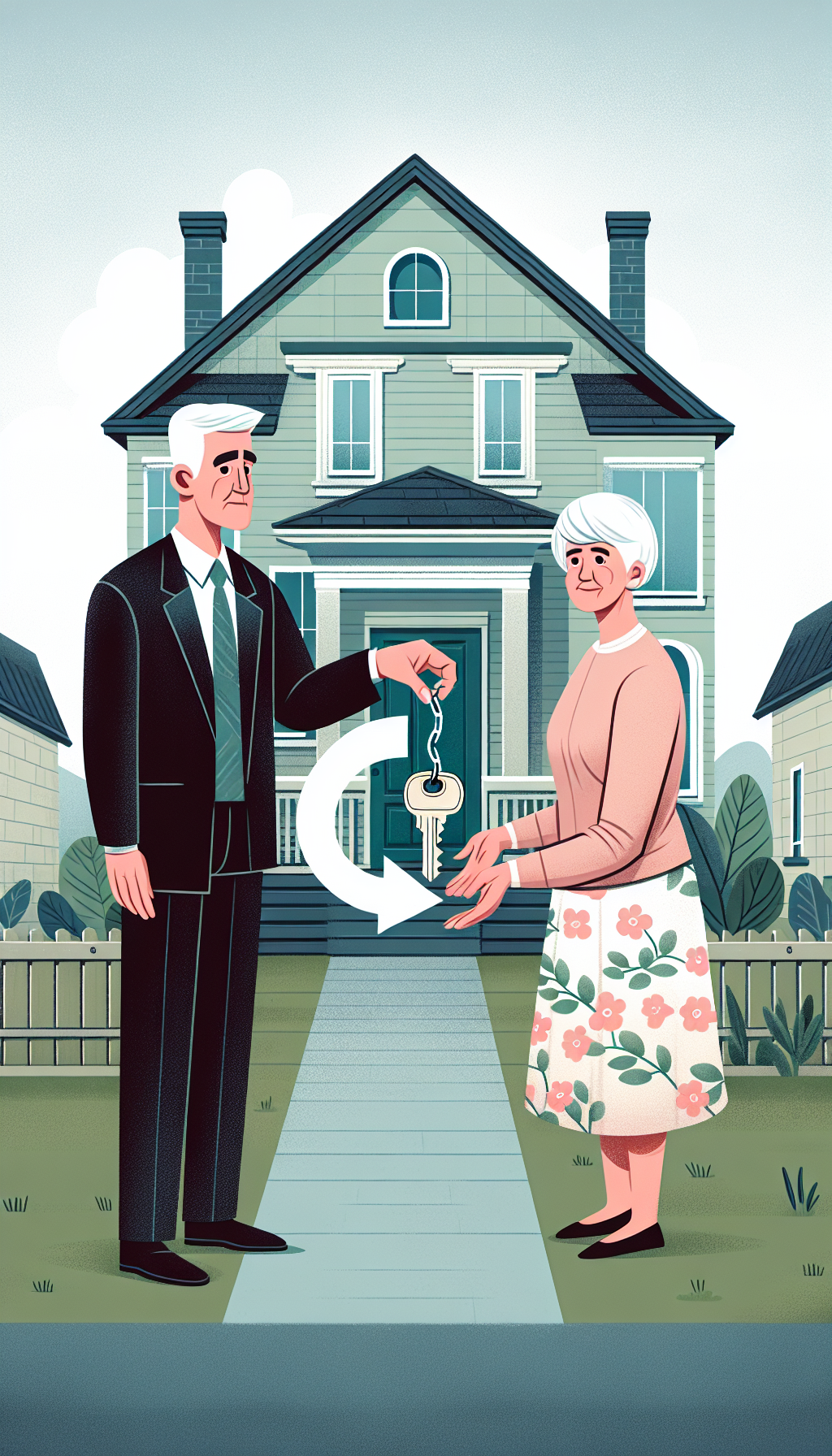
Introduction to Reverse Mortgages
A reverse mortgage is a financial product designed primarily for older homeowners, allowing them to convert part of their home equity into cash without having to sell their home. This option is particularly appealing for retirees who wish to supplement their income, cover healthcare expenses, or fund other needs while remaining in their homes. However, if you are considering selling your home with an existing reverse mortgage, it’s essential to understand the implications and options available to you.
What Happens When You Sell a Home with a Reverse Mortgage?
When selling a home with a reverse mortgage, the loan must be repaid. This typically occurs when the homeowner sells the property. The reverse mortgage amount, which includes the original loan amount plus interest and fees, is deducted from the sale proceeds. Homeowners should be aware that if the sale price exceeds the remaining loan balance, the excess funds will go to the homeowner or their heirs. Conversely, if the sale price is lower than the loan balance, the homeowner or heirs are not responsible for the difference, thanks to the non-recourse feature of reverse mortgages.
Steps to Selling Your Home with a Reverse Mortgage
Selling a home with a reverse mortgage involves several steps. First, it’s crucial to contact your reverse mortgage lender to notify them of your intent to sell. They will provide you with the necessary information regarding the loan balance and any required documentation. Next, you should consider hiring a real estate agent who understands reverse mortgages and can assist you in pricing your home competitively and marketing it effectively.
Once you receive an offer, you will need to coordinate with the lender to ensure that the sale proceeds can be used to pay off the reverse mortgage. This process typically involves meeting any necessary requirements set by the lender, which may include providing a copy of the purchase agreement and any disclosures related to the sale.
Benefits of Selling Your Home with a Reverse Mortgage
One of the significant benefits of selling a home with a reverse mortgage is the potential for a smooth transition into a new living situation. If you are downsizing or moving to a retirement community, selling your home can provide you with the necessary funds to purchase a new property or cover moving expenses. Additionally, if you sell your home for more than the remaining balance of the reverse mortgage, you can retain the profit, which can be reinvested or used for other purposes.
Another advantage is that selling can free you from the financial obligations associated with the reverse mortgage. If you no longer wish to live in the home or find that maintaining it is becoming burdensome, selling can alleviate these pressures while allowing you to preserve your financial security.
Potential Challenges to Consider
While selling a home with a reverse mortgage has its benefits, there are potential challenges to consider. One of the primary concerns is the timing of the sale. If the housing market is slow or if your home requires repairs, it may take longer to sell, which could impact your financial situation. Additionally, understanding the current market value of your home and the remaining balance on your reverse mortgage is crucial to ensure you are making a sound financial decision.
Another challenge is the emotional aspect of selling, especially if you have lived in the home for many years. The decision to sell can be difficult, and it may involve sorting through memories and belongings. It’s essential to approach this process with a clear plan and to seek support from family and friends if needed.
Conclusion
Selling a home with a reverse mortgage is a viable option for many homeowners, but it requires careful consideration and planning. By understanding the implications of the reverse mortgage and the steps involved in the selling process, you can make informed decisions that align with your financial goals and lifestyle needs. Whether you are looking to downsize, relocate, or simply free yourself from the constraints of homeownership, selling your home can open up new opportunities for your future.