
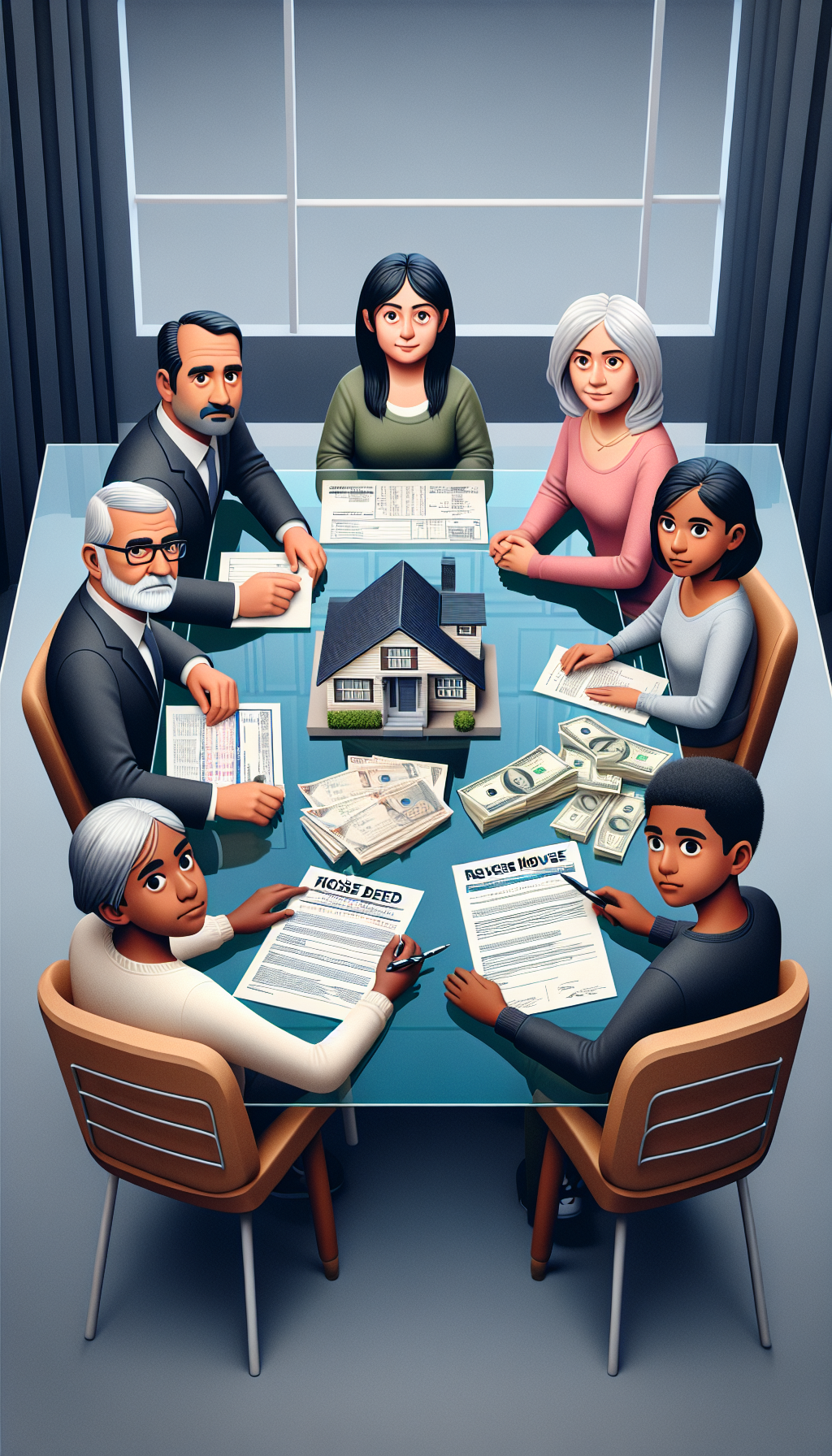
Understanding Reverse Mortgages
A reverse mortgage is a financial product designed primarily for older homeowners, allowing them to convert part of their home equity into cash. Unlike a traditional mortgage, where homeowners make monthly payments to a lender, a reverse mortgage pays the homeowner. This can be an attractive option for seniors looking to supplement their retirement income, cover healthcare costs, or fund other expenses without having to sell their home. However, it’s crucial for families to understand the implications and responsibilities that come with this financial tool.
The Mechanics of a Reverse Mortgage
In a reverse mortgage, the lender makes payments to the homeowner based on the home’s equity. The loan amount is determined by several factors, including the homeowner’s age, the home’s value, and current interest rates. Homeowners can receive funds as a lump sum, monthly payments, or a line of credit, providing flexibility in how they access their equity. Importantly, the homeowner does not need to repay the loan as long as they continue to live in the home, maintain it, and pay property taxes and homeowners insurance.
Eligibility Requirements
To qualify for a reverse mortgage, the homeowner must be at least 62 years old and must have significant equity in their home. The home must be their primary residence, and they should not have any delinquencies on federal debt. Additionally, potential borrowers must undergo a financial assessment to ensure they can meet the ongoing obligations that come with a reverse mortgage, such as property taxes, insurance, and maintenance costs.
Benefits of Reverse Mortgages
One of the primary benefits of a reverse mortgage is the ability to access cash without having to sell the home. This can be particularly advantageous for seniors on fixed incomes who need extra funds for living expenses, healthcare, or home modifications. Additionally, reverse mortgages can provide a safety net for unplanned expenses, allowing homeowners to stay in their homes longer and maintain their quality of life without the stress of monthly mortgage payments.
Potential Drawbacks
Despite their advantages, reverse mortgages also come with potential downsides. The most significant concern is that they can reduce the inheritance left to heirs. Since the loan must be repaid when the homeowner moves out, sells the home, or passes away, the remaining equity may be diminished. Furthermore, reverse mortgages come with fees and interest costs that can accumulate over time, potentially leading to a situation where the loan balance exceeds the home’s value. Families should discuss these issues openly to ensure that everyone understands the long-term financial implications.
Impact on Heirs
It’s essential for families to talk about how a reverse mortgage can affect heirs. If a homeowner passes away or moves into assisted living, the reverse mortgage must be repaid, typically through the sale of the home. Heirs may have the option to repay the loan balance and keep the property, but they must have the financial means to do so. It’s advisable for families to have open discussions about financial plans and to consider consulting with a financial advisor to understand the best course of action.
Alternatives to Reverse Mortgages
Families should explore alternatives to reverse mortgages to determine the best financial strategy for their situation. Options may include traditional home equity loans, lines of credit, or downsizing to a smaller home. Each alternative comes with its own set of pros and cons, and understanding these options can help families make informed decisions that align with their financial goals.
Consulting with Professionals
Before pursuing a reverse mortgage, it’s wise for families to seek advice from financial advisors, housing counselors, or elder law attorneys. These professionals can provide insights into the risks and benefits of reverse mortgages and help families navigate the complexities of this financial product. Additionally, they can assist in assessing whether a reverse mortgage is the right fit based on the family’s financial situation and goals.
Conclusion
Reverse mortgages can be a valuable financial tool for seniors looking to leverage their home equity, but they are not without risks. Families should engage in open conversations about the implications of this decision, considering both the immediate benefits and long-term effects on inheritance and estate planning. By understanding the mechanics, benefits, and potential drawbacks of reverse mortgages, families can make informed choices that best support their financial future.