
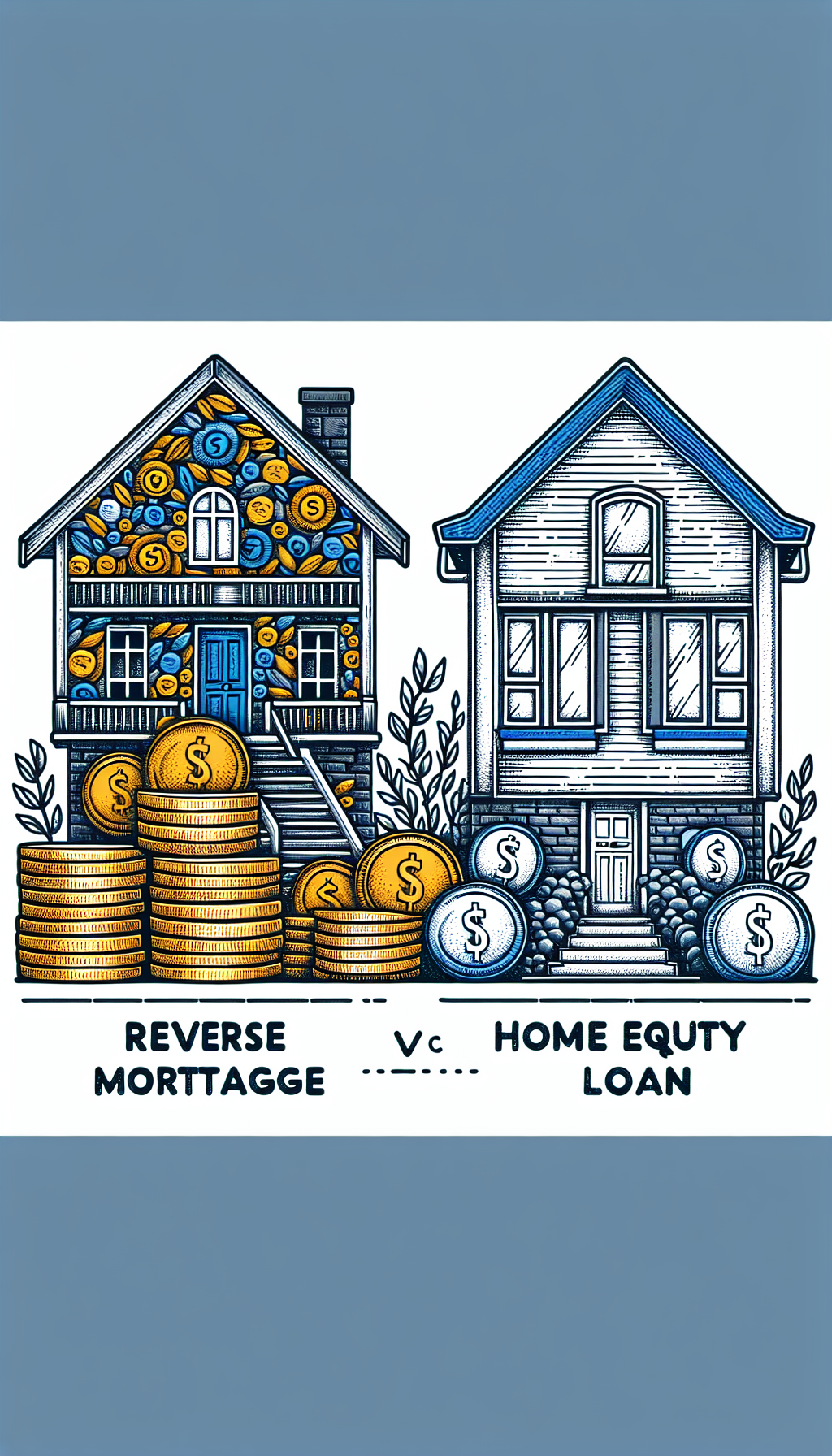
Understanding Reverse Mortgages and Home Equity Loans
Reverse mortgages and home equity loans are two financial products that allow homeowners to leverage the equity in their homes. While both options can provide much-needed funds, they are fundamentally different in their structure and purpose. A reverse mortgage is specifically designed for seniors, allowing them to convert a portion of their home equity into cash while remaining in their home. In contrast, a home equity loan is a more traditional borrowing option that requires the borrower to make monthly payments and is available to homeowners of all ages.
The Cost Structure of Reverse Mortgages
One key reason reverse mortgages are typically priced higher than home equity loans is their unique cost structure. Reverse mortgages often come with higher upfront fees, including mortgage insurance premiums and closing costs. The Federal Housing Administration (FHA) insures many reverse mortgages, which adds an extra layer of protection for lenders but also increases the overall cost of the loan. These insurance premiums are designed to protect lenders from potential losses, especially given that reverse mortgages can extend for many years, during which time property values may fluctuate.
Risk Factors and Lender Considerations
Lenders face different risk profiles when issuing reverse mortgages compared to home equity loans. With a reverse mortgage, the borrower is not required to make monthly payments, which means the loan balance increases over time as interest accrues. This places a greater risk on the lender, as they may not recoup their investment for many years. Additionally, the aging population means that lenders must consider longevity risk—borrowers may live longer than anticipated, leading to a longer repayment timeline. To mitigate these risks, lenders typically charge higher interest rates and fees for reverse mortgages.
Regulatory Framework and Compliance Costs
The regulatory environment surrounding reverse mortgages is also more stringent than that of home equity loans. Borrowers must undergo counseling to ensure they fully understand the implications of taking out a reverse mortgage, which adds another layer of complexity and cost. Lenders must comply with various federal and state regulations that govern reverse mortgages, which can increase compliance costs. These regulatory burdens can result in higher costs for consumers, as lenders pass on these expenses in the form of higher pricing.
Market Demand and Consumer Perception
Consumer perception plays a significant role in the pricing of reverse mortgages. Many potential borrowers may view reverse mortgages with skepticism, often due to misconceptions or a lack of understanding. This perception can lead to lower demand compared to home equity loans, prompting lenders to adjust their pricing strategies. Conversely, home equity loans are more familiar to the general public, leading to a more competitive market with lower rates. As a result, the higher pricing of reverse mortgages can be partially attributed to their niche market and the challenges associated with educating consumers.
Conclusion
In summary, reverse mortgages tend to be priced higher than home equity loans due to their unique cost structure, associated risk factors, regulatory requirements, and consumer perceptions. While they can be a valuable financial tool for seniors looking to access their home equity without monthly payments, potential borrowers should carefully consider the costs and implications of a reverse mortgage compared to other options. Understanding these differences is crucial for making informed financial decisions regarding home equity.