
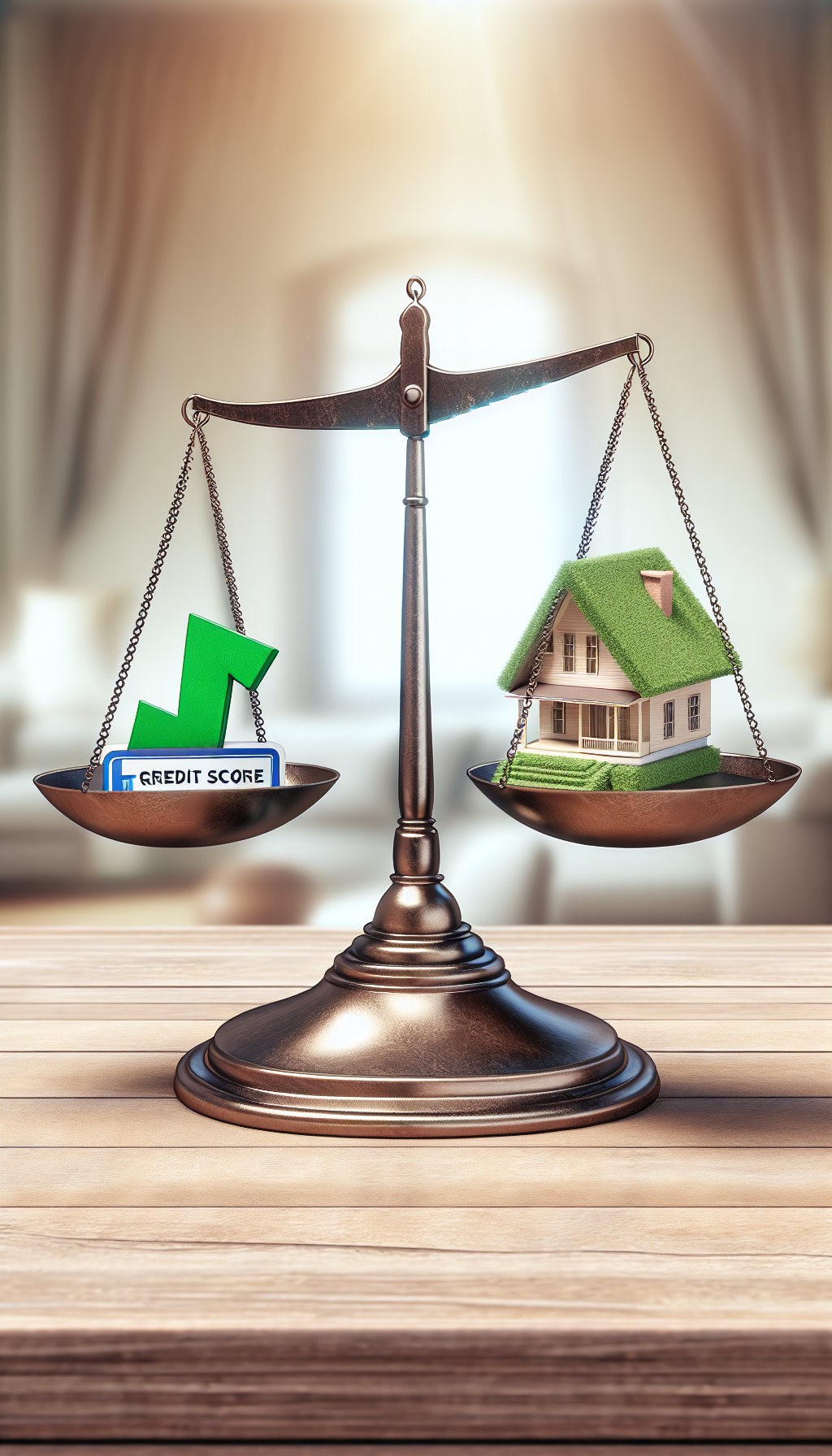
Understanding Reverse Mortgages
A reverse mortgage is a financial product that allows homeowners, typically those aged 62 and older, to convert a portion of their home equity into cash. This can be particularly appealing for retirees seeking additional income to cover living expenses or healthcare costs. Unlike traditional mortgages, where monthly payments are made to the lender, with a reverse mortgage, the lender pays the homeowner, and the loan is repaid when the homeowner moves, sells the home, or passes away.
Impact on Credit Scores
One of the common concerns among potential reverse mortgage applicants is how this financial decision might affect their credit scores. To understand this impact, it’s essential to know what factors contribute to credit scores. Credit scores are primarily influenced by payment history, amounts owed, length of credit history, new credit, and types of credit used.
When you take out a reverse mortgage, it does not directly impact your credit score in the same way that a traditional mortgage might. This is because there are no monthly payments to be made that would influence your payment history, which is a significant factor in determining credit scores. However, there are several indirect ways that a reverse mortgage could affect your credit score.
Potential Indirect Effects
While the reverse mortgage itself may not directly affect your credit score, there are several indirect factors to consider. For instance, if you fail to keep up with property taxes, homeowners insurance, or maintenance costs, this could lead to foreclosure, which would have a detrimental effect on your credit score. It’s crucial to understand that maintaining these obligations is essential to preserving both your home and your credit rating.
Additionally, if you decide to take out a reverse mortgage, it’s important to consider how this may impact your overall debt-to-income ratio. A reverse mortgage could potentially free up cash flow, but if it leads you to take on more debt elsewhere, this could negatively influence your creditworthiness.
Maintaining Good Credit During the Process
If you are considering a reverse mortgage, there are steps you can take to maintain your credit score throughout the process. First and foremost, ensure that you continue to pay all existing debts on time. This includes credit cards, auto loans, and any other financial obligations. Additionally, keep an eye on your credit utilization ratio, which is the amount of credit you’re using compared to your total available credit. Keeping this ratio low can help maintain a healthy credit score.
Furthermore, regularly checking your credit report can help you identify any discrepancies or issues that could affect your score. If you notice any errors, it’s essential to address them promptly.
Conclusion
In summary, while a reverse mortgage itself may not directly impact your credit score, it’s vital to approach this financial decision with caution and awareness of the potential indirect effects. By managing your financial obligations responsibly and keeping track of your credit profile, you can enjoy the benefits of a reverse mortgage without compromising your credit health. As with any financial product, it’s advisable to consult with a financial advisor to ensure that a reverse mortgage aligns with your long-term financial goals.