
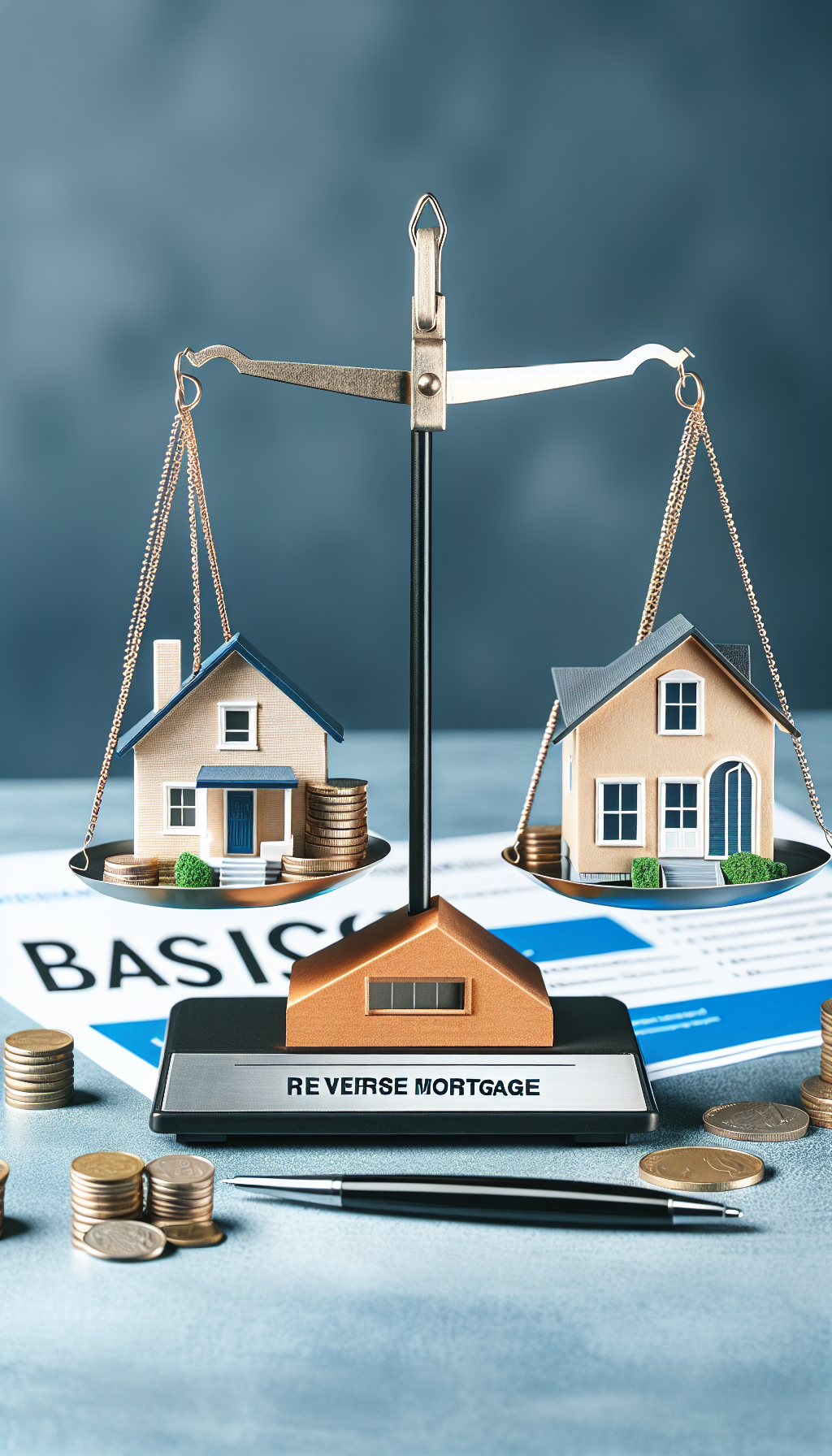
Understanding Reverse Mortgages
A reverse mortgage is a financial product designed primarily for older homeowners who want to convert a portion of their home equity into cash. Unlike traditional mortgages, where homeowners make monthly payments to the lender, a reverse mortgage allows homeowners to receive payments from the lender. This arrangement can be particularly beneficial for retirees looking for additional income to support their living expenses.
To qualify for a reverse mortgage, homeowners must be at least 62 years old, have sufficient equity in their home, and occupy the home as their primary residence. The borrowed amount is typically repaid when the homeowner sells the house, moves out, or passes away.
How Much Can You Borrow?
The amount you can borrow through a reverse mortgage depends on several factors. The primary elements include your age, the appraised value of your home, and current interest rates.
A key component in determining the loan amount is the borrower’s age. Generally, the older you are, the more you can borrow. This is because older homeowners are statistically expected to live for a shorter period, allowing lenders to take on more risk. For instance, a 70-year-old may qualify for a larger loan compared to a 62-year-old, even if both have homes of similar value.
The appraised value of your home also plays a significant role. Lenders typically use the lesser of the appraised value or the Federal Housing Administration (FHA) lending limit to determine the maximum amount you can borrow. As of 2023, the FHA lending limit is set at $1,089,300. If your home is valued above this limit, your borrowing capacity will be capped at this figure.
Interest rates are another crucial factor. Higher interest rates can reduce the amount you can borrow. Lenders use a formula that considers current rates to calculate the loan amount, and even a slight increase in rates can significantly impact borrowing limits.
The Calculation Process
To understand how much you can borrow, lenders typically use a formula that includes the following components:
1. **Home Value**: The current market value of your home, which is determined through an appraisal.
2. **Age of the Youngest Borrower**: The age of the borrower affects how long the lender will be making payments, impacting the total amount available.
3. **Current Interest Rates**: Rates fluctuate and can affect how much you can borrow. Lower rates generally allow for a higher borrowing limit.
Using these factors, lenders will provide a loan estimate, which outlines the maximum amount available to you. It is advisable to consult with a reverse mortgage specialist who can provide a detailed breakdown of your borrowing potential based on these criteria.
Types of Reverse Mortgages
There are several types of reverse mortgages, each with different borrowing limits and requirements. The most common types include:
– **Home Equity Conversion Mortgage (HECM)**: Insured by the FHA, HECMs are the most popular type of reverse mortgage. They come with specific regulations and are subject to the FHA lending limit.
– **Proprietary Reverse Mortgages**: These are private loans not insured by the government. They may allow for higher borrowing limits, especially for high-value homes.
– **Single-Purpose Reverse Mortgages**: Offered by some state and local government agencies, these loans are typically used for a specific purpose, such as home repairs or property taxes. They often come with lower costs but are less flexible.
Understanding these options can help you determine which reverse mortgage may be best suited for your financial needs.
Conclusion
A reverse mortgage can be a valuable tool for seniors looking to tap into their home equity without the burden of monthly mortgage payments. The amount you can borrow will depend on your age, the appraised value of your home, and current interest rates. By understanding the factors that influence your borrowing capacity, you can make informed decisions about whether a reverse mortgage is the right choice for your financial situation. Always consider consulting with a financial advisor or a reverse mortgage specialist to ensure you fully understand the implications and benefits of this financial product.